Eczema-taming ointment could be made with bacteria from your own skin

bacterial cream

Teruaki Nakatsuji and Richard Gallo from the University of California, San Diego, have discovered that some bacteria which naturally live on human skin produce chemicals that kill S. aureus—[a bacterium that can cause severe skin infections].

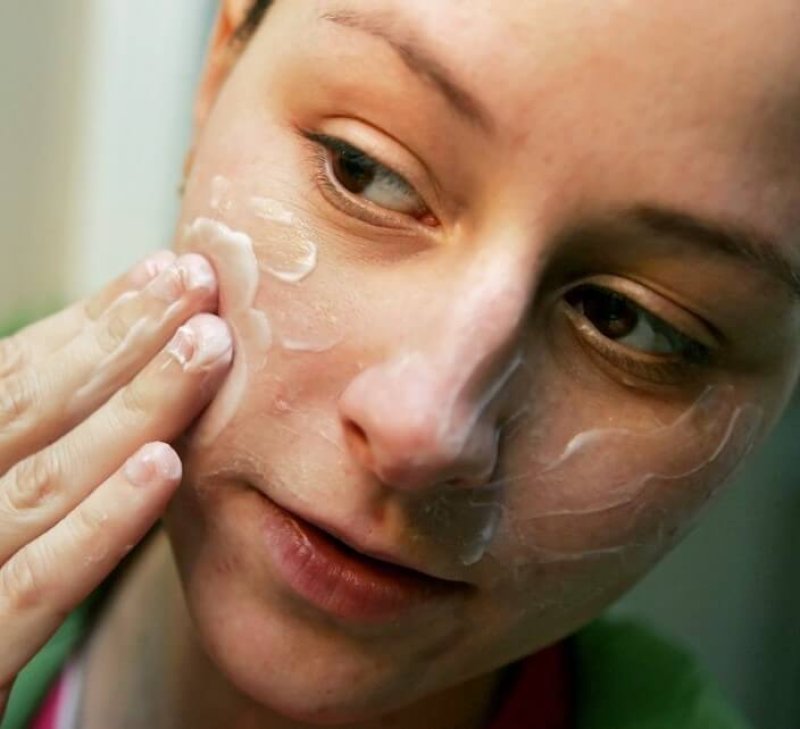
[The duo then] went after the bacteria themselves—isolating them from people with a skin disease called atopic dermatitis (eczema), growing them, and adding them to a cream. The result: a personalized ointment for killing S. aureus—and hopefully treating eczema—using bacteria that come from a person’s own skin.

The team focused on one [type of bacterium]—a strain of S. hominis called A9…Strain A9 produces several new antibiotics that seem to specifically suppress the growth of S. aureus, including the drug-resistant versions that we know as MRSA.

Protective staph strains like A9 dominate the skins of healthy people, but…even in people with eczema, the protective strains aren’t totally absent. They’re still there. So what happens if you give them a boost?

As expected, the levels of S. aureus fell by more than 90 percent. In two cases, the troublesome microbe disappeared entirely.

“It’s a big step towards using microbial therapies to treat skin disease,” says Shruti Naik, from Rockerfeller University.

The GLP aggregated and excerpted this blog/article to reflect the diversity of news, opinion, and analysis. Read full, original post: A Probiotic Skin Cream Made With a Person’s Own Microbes

{{ reviewsTotal }}{{ options.labels.singularReviewCountLabel }}
{{ reviewsTotal }}{{ options.labels.pluralReviewCountLabel }}
{{ options.labels.newReviewButton }}
{{ userData.canReview.message }}

Related Articles

Infographic: Global regulatory and health research agencies on whether glyphosate causes cancer

Infographic: Global regulatory and health research agencies on whether glyphosate causes cancer

Does glyphosate—the world's most heavily-used herbicide—pose serious harm to humans? Is it carcinogenic? Those issues are of both legal and ...

Most Popular

ChatGPT-Image-Mar-10-2026-01_39_01-PM
Viewpoint—“Miracle molecule” debunked: Why acemannan supplements don’t work
afb-a-b
As the EU loosens restrictions on agricultural gene editing, it remains years behind the rest of the world on equally-safe GMO foods
ChatGPT-Image-Jul-8-2026-12_32_48-PM
Viewpoint: SCOTUS strikes a blow against junk science in Bayer glyphosate case. Will it deter mass tort litigators?
Screenshot-2026-07-10-at-2.02.54-PM
Viewpoint: In abortion-restricting Florida, misinformation abounds when Republican congresswoman faces an ectopic pregnancy
ChatGPT-Image-Jul-7-2026-01_57_55-PM
Viewpoint: Europe’s rejection of air conditioning is the poster child for misunderstanding how to mitigate the impact of climate change
Screenshot-2026-07-10-at-3.10.50-PM
Snake-oil cures throughout history
ChatGPT-Image-Jun-25-2026-12_23_17-PM
No, Bill Gates did not secretly engineer ticks to promote veganism
Screen-Shot-at-PM-pe-vra-kipgaprbdo-vd-ms-jpule-n-jqqaxf-l-e
Viewpoint: Will new breeding techniques help make European agriculture more competitive?
Screenshot-2026-07-10-at-3.25.10-PM
Using AI for health questions? Here are 4 tips for the most accurate answers.
Screenshot-2026-07-10-at-12.55.21-PM
Cancer health facts are particularly susceptible to online misinformation
Viewpoint: Consensus as truth? How ‘misinformation police’ control policy narratives
Which among war, weather and cyber attacks is the biggest world threat? None of the above. It’s misinformation, and here’s why.
Screenshot-2026-07-08-at-9.36.03-AM
Viewpoint: Long-contained diseases are on the rise in the U.S. Are Trump cuts to blame?
ChatGPT-Image-Jul-1-2026-03_33_49-PM
‘Alternative’ cancer treatments that could kill you
Gemini_Generated_Image_gabo48gabo48gabo
Viewpoint: A plastic surgeon on why banning gender-transition surgery without further research is wrong and harmful
glp menu logo outlined

Get news on human & agricultural genetics and biotechnology delivered to your inbox.