Artificial intelligence sorting of genetic mutations is helping patients get best drugs for their cancer

ct artificial intelligence healthcare bsi pg

Cancer patients are often treated with chemotherapy and various types of drugs, but the results of these treatments aren’t uniform in effectiveness, which is why it’s imperative for hospitals, clinics, and doctors to make the best drug treatment choices for each individual patient. Getting drug therapies right is an area where digitized genomics data can help.

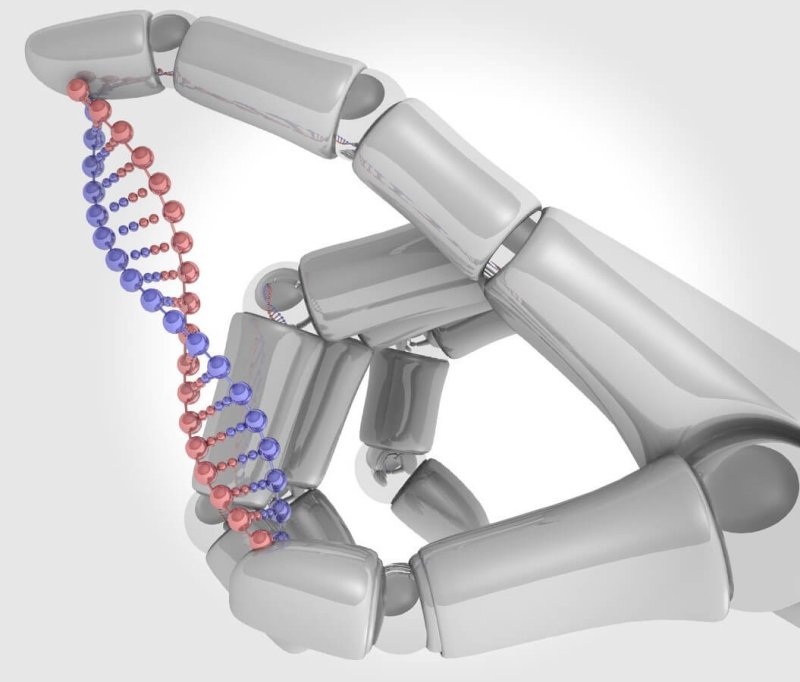
“The technique that we use for this is genomic sequencing,” explained Dr. Jurgi Camblong, cofounder of Sophia Genetics, a provider of artificial intelligence that pinpoints the genomic code mutations behind cancers and rare disorders to assist physicians and healthcare institutions in prescribing optimal drug treatments for their patients.

“What the technology does is spot variations in different genetic codes so we can use historical data that aids in prescribing the best combination of drugs to treat a particular cancer or condition in an individual patient,” said Camblong.

An example is lung cancer, where treatment in the past was prescribed based upon the patient’s tissue type instead of on a particular genetic mutation. By using genetic sequencing and mutation detection instead of tissue analysis, physicians can now identify the genetic events that caused the condition in the first place, and not just treat symptoms.

The GLP aggregated and excerpted this blog/article to reflect the diversity of news, opinion, and analysis. Read full, original post: How AI and next-generation genomic sequencing is helping cancer patients

{{ reviewsTotal }}{{ options.labels.singularReviewCountLabel }}
{{ reviewsTotal }}{{ options.labels.pluralReviewCountLabel }}
{{ options.labels.newReviewButton }}
{{ userData.canReview.message }}

Related Articles

Infographic: Global regulatory and health research agencies on whether glyphosate causes cancer

Infographic: Global regulatory and health research agencies on whether glyphosate causes cancer

Does glyphosate—the world's most heavily-used herbicide—pose serious harm to humans? Is it carcinogenic? Those issues are of both legal and ...

Most Popular

Screenshot-2026-05-01-at-1.29.41-PM
Viewpoint: What happens when whole grains meet modern food manufacturing? Labels don’t tell the whole story.
S
As vaccine rejectionism spreads, measles may be taking a more dangerous turn
Screenshot 2026-05-06 at 2.56
Singularity crisis ahead? Can super babies save us from rogue AI geniuses?
Screenshot-2026-05-06-at-2.07.43-PM
Manufacturing a conspiracy: The timeline of how  the White House embraced the fringe claim that scientists are being mysteriously murdered
Screenshot-2026-04-20-at-2.26.27-PM
Viewpoint — Food-fear world: The latest activist scientists campaign: Cancer-causing additives
Screenshot-2026-03-13-at-12.14.04-PM
The FDA wants to make many popular prescription drugs OTC—a great idea. Here’s why it’s unlikely to happen
Screenshot-2026-04-30-at-2.19.37-PM
5 myths about summer dehydration that could damage your health — or even kill you
ChatGPT-Image-May-6-2026-03_41_05-PM
‘Protecting the integrity of science’: Kennedy’s FDA blocks release of taxpayer-funded studies finding COVID and shingles vaccines safe
Screenshot-2026-05-01-at-11.56.24-AM
‘Science moves forward when people are willing to think differently’: Memories of DNA maverick Craig Venter
79d03212-2508-45d0-b427-8e9743ff6432
Viewpoint: The Casey Means hustle—Wellness woo opportunism dressed up as medical wisdom
Screenshot-2026-04-03-at-11.15.51-AM
Paraben panic: How a flawed study, media hype, and chemophobia convinced the public of the danger of one of the safest classes of preservatives
glp menu logo outlined

Get news on human & agricultural genetics and biotechnology delivered to your inbox.