Gentle touch: Premature babies’ brain development may benefit from physical contact

gettyimages x

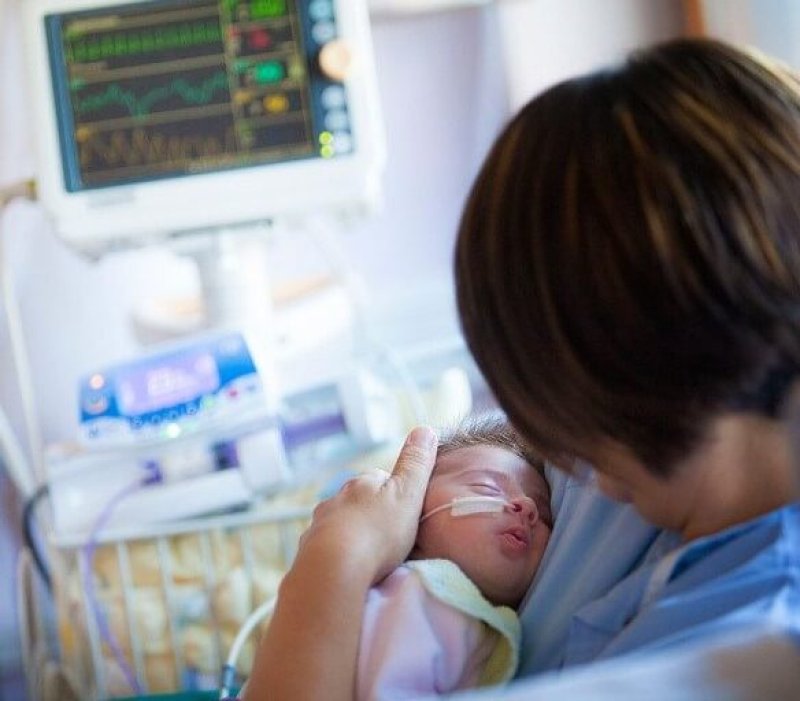
A gentle touch can make all the difference. Premature babies – who miss out on the sensory experiences of late gestation – show different brain responses to gentle touch from babies that stay inside the uterus until term. This could affect later physical and emotional development, but regular skin-to-skin contact from parents and hospital staff seem to counteract it.

[According to research done by Nathalie Maitre of the Nationwide Children’s Hospital in Columbus, Ohio,] babies born between 24 and 36 weeks of gestation were more likely to have reduced brain responses to gentle touch, compared with those born between 38 and 42 weeks.

While many premature babies experience pain, [Francis McGlone at Liverpool John Moores University, UK] thinks that it is exposure to gentle touch that really matters. There’s mounting evidence that a set of nerves called c-tactile fibres are activated by soft caresses, and might provide a scaffold for the developing social brain.

“These preterm infants have a highly developed c-tactile system, and I believe that the way the brain wires up its sense of self is critically dependent on this system feeding information in,” McGlone says.

[The study can be found here.]

The GLP aggregated and excerpted this blog/article to reflect the diversity of news, opinion, and analysis. Read full, original post: Premature babies’ brains respond differently to gentle touching

For more background on the Genetic Literacy Project, read GLP on Wikipedia.

{{ reviewsTotal }}{{ options.labels.singularReviewCountLabel }}
{{ reviewsTotal }}{{ options.labels.pluralReviewCountLabel }}
{{ options.labels.noReviewsLabel }}
{{ options.labels.newReviewButton }}
{{ userData.canReview.message }}

Related Articles

Infographic: Global regulatory and health research agencies on whether glyphosate causes cancer

Infographic: Global regulatory and health research agencies on whether glyphosate causes cancer

Does glyphosate—the world's most heavily-used herbicide—pose serious harm to humans? Is it carcinogenic? Those issues are of both legal and ...

Most Popular

Screenshot-2026-07-09-at-1.09.25-PM
Anti-vaccine myths rattle health care
ChatGPT-Image-Mar-10-2026-01_39_01-PM
Viewpoint—“Miracle molecule” debunked: Why acemannan supplements don’t work
Picture1
Hiroshima at 81: America’s new nuclear bomb, a buried Iranian target, and a question no one wants to ask
ChatGPT-Image-Jul-10-2026-12_21_03-PM
Viewpoint: Is there new evidence that the animal deworming drug ivermectin decreases the risk of Covid and cancer? Don’t waste your money.
ChatGPT-Image-Jun-25-2026-12_23_17-PM
No, Bill Gates did not secretly engineer ticks to promote veganism
leeteam
How Kennedy and his family could pocket millions from Merck’s $50 million vaccine injury settlement that he oversaw
ChatGPT Image Jul 29, 2026, 05_50_04 PM
Fear, science, and the law: If talc powder is unlikely to cause cancer and J&J was winning in court, why did it pay more than $5.5 billion to settle?

Sorry. No data so far.

glp menu logo outlined

Get news on human & agricultural genetics and biotechnology delivered to your inbox.