On the horizon: Genes pointing to potential Parkinson’s disease therapies

parkinsons

The ongoing revolution in genetics is playing an increasingly important role in our understanding of the [Parkinson’s] disease while also revealing why it varies so much from patient to patient. There have been dozens of mutations and variants associated so far with the disease. We are just beginning to understand the role our genes play in the development of neurological diseases but an immense amount of progress has been made in the last 15 years since the human genome was sequenced.

A better understanding of genetics will help unlock a cascade of other problems that surround this disease including mitochondrial dysfunction, lysosomal degradation, neuroinflammationgut bacteria, and epigenetics, among others.

Therapies on the Horizon (5 to 10 years)

Immunotherapies – …we may be able to harness the bodies immune system to stop the protein from clumping while also mitigating the bodies natural inflammatory responses that damages neurons.

Pharmacogenetics – … Eventually, instead of making one drug for everybody, we will be able to tailor drugs to better fit each person’s unique condition.
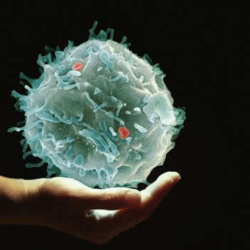
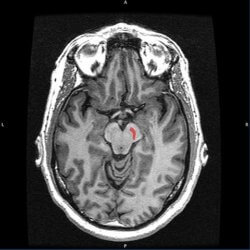
Stem Cell Therapies – Though there were a series of trials in the 90’s that had mixed results, recently a number of labs around the world have begun reexamining the therapeutic potential of stem cells. …

Gene Modification Therapies – …The most popular one today is called CRISPR, a technique that already allows researchers to cut and paste genetic code, changing the genome of living organisms…

The GLP aggregated and excerpted this blog/article to reflect the diversity of news, opinion, and analysis. Read full, original post: We’re About to Enter a New Era in Parkinson’s Disease Treatments

For more background on the Genetic Literacy Project, read GLP on Wikipedia.

{{ reviewsTotal }}{{ options.labels.singularReviewCountLabel }}
{{ reviewsTotal }}{{ options.labels.pluralReviewCountLabel }}
{{ options.labels.newReviewButton }}
{{ userData.canReview.message }}

Related Articles

Infographic: Global regulatory and health research agencies on whether glyphosate causes cancer

Infographic: Global regulatory and health research agencies on whether glyphosate causes cancer

Does glyphosate—the world's most heavily-used herbicide—pose serious harm to humans? Is it carcinogenic? Those issues are of both legal and ...

Most Popular

Screenshot-PM-24
Viewpoint: The herbicide glyphosate isn’t perfect. Banning it would be far worse.
79d03212-2508-45d0-b427-8e9743ff6432
Viewpoint: The Casey Means hustle—Wellness woo opportunism dressed up as medical wisdom
d-b
Blocked arteries, kidney stones, nausea, constipation, fatigue: Long list of health problems caused by too much vitamin D 
ChatGPT-Image-Mar-10-2026-01_39_01-PM
Viewpoint—“Miracle molecule” debunked: Why acemannan supplements don’t work
ChatGPT-Image-Apr-30-2026-05_00_48-PM
Wellness grifter physician turned wellness influencer out as surgeon general nominee
Screenshot-2026-04-30-at-11.33.46-AM
Anti-seed-oil to anti-vax pipeline: MAHA movement spreads to teen influencers
lab grown meat research kelly schultz lehighuniversity main
Profiles of the 10 top global cultured meat companies
ChatGPT-Image-Mar-27-2026-11_27_05-AM
The myths of “process”: What science says about the “dangers’ of synthetic products and ultra-processed foods
ChatGPT-Image-Apr-30-2026-12_21_05-PM-2
The tech billionaires behind the immortality movement
Screenshot-2026-04-28-at-1.21.37-PM
How America’s medical system encourages psychiatric overdiagnosis

Sorry. No data so far.

glp menu logo outlined

Get news on human & agricultural genetics and biotechnology delivered to your inbox.