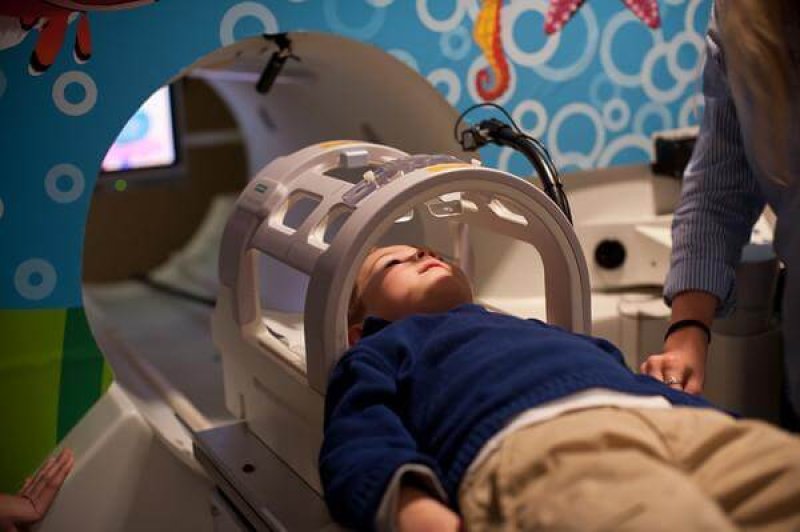
In recent years, scientists have plumbed the molecular depths of the body and surfaced with tell-tale biomarkers of aging, some of which extend to the brain. Now, researchers are harnessing another tool, neuroimaging, to measure the organ’s age, and using that to predict how long a person will live.
“People are searching for the tree rings of humans,” [said] James Cole, a research associate at Imperial College London…
Cole and his colleagues recently devised their own technique of predicting the biological age of people’s brains using a combination of machine learning and magnetic resonance imaging (MRI) scans. In a study published [on April 25], the team reported that this technique was able to predict mortality in humans—people with “older” brains, they found, had greater risk of dying before age 80.
…
Interestingly, Cole did not find an association between his brain-age predictor and the epigenetic clock. However, combining the two measures actually improved their ability to predict how long people would live.

…
While the biomarkers of aging might be of limited use in the clinic, at least for now, scientists see these as useful tools for studying anti-aging therapeutics.
The GLP aggregated and excerpted this blog/article to reflect the diversity of news, opinion, and analysis. Read full, original post: How to Tell a Person’s “Brain Age”