Predicting epidemics and viral outbreaks faces roadblocks, budget constraints

Ebola

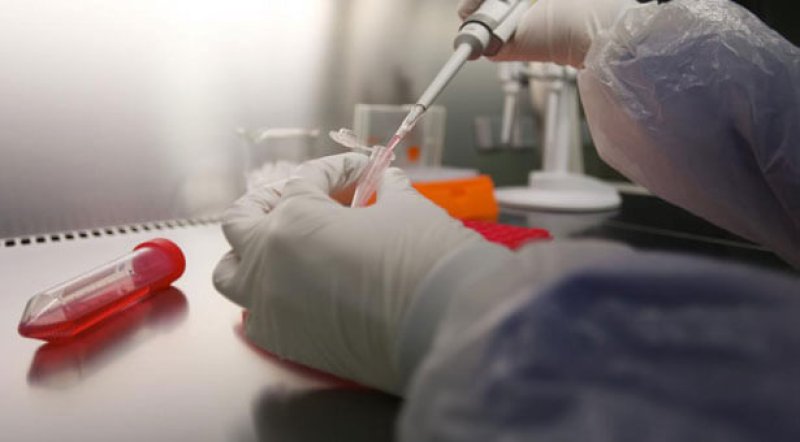
The bat-whisperer is Dr. Prime Mulembakani, and along with a couple of colleagues from the [Democratic Republic of the Congo]โ€™s Institut National de Recherche Biomรฉdicale (INRB) in Kinshasa, heย is in Kimpese to test bats for potentially dangerous viruses as part of a U.S. Agency for International Development effort called Predict.

If scientists can detail the places where lethal viruses simmer in wait, the thinking goes, they can head off a swelling pandemic and better manage outbreaks while they are still small and local. Researchers and other outbreak responders could consult this database to beginย mapping the source of an emerging disease, for example, and quickly get to work on minimizing transmission and developing potential new vaccines that could save countless lives.

Itโ€™s an ambitious idea, and the stakes are high. The infamous 2014 Ebola outbreak, after all, likely began when a toddler came in contact with bat droppings while playing near a tree in rural Guinea.
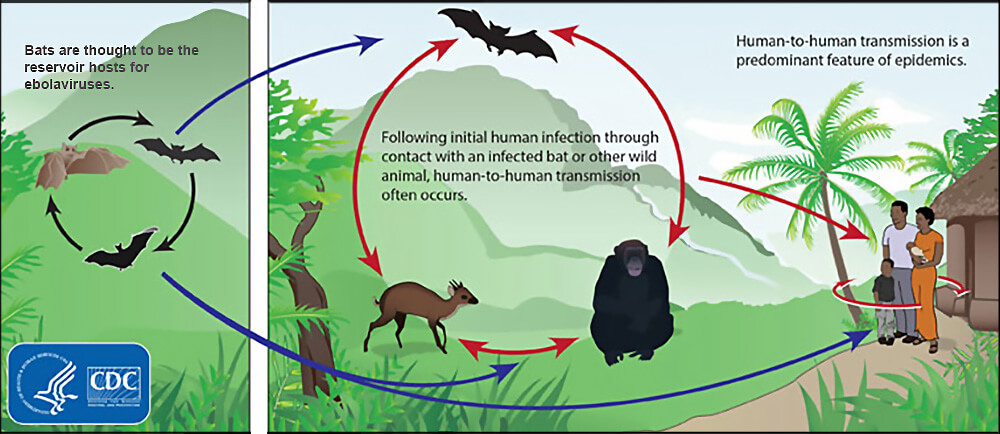
cdc
A graphic from the U.S. Centers for Disease Control and Prevention outlines a possible transmission pathway of the ebola virus from bats to humans.

This [project] would, of course, take a lot more commitment and a lot more money than is currently on the table โ€”something similar to the billions of dollars underwriting large-scale efforts like the Human Genome Project…That sort of support, however, seems unlikely to materialize anytime soon โ€” particularly given drastic cuts to foreign aid and development programs…under the latest budget proposed by U.S. President Donald J. Trump.

The GLP aggregated and excerpted this blog/article to reflect the diversity of news, opinion, and analysis. Read full, original post:ย The Virus Hunters

{{ reviewsTotal }}{{ options.labels.singularReviewCountLabel }}
{{ reviewsTotal }}{{ options.labels.pluralReviewCountLabel }}
{{ options.labels.newReviewButton }}
{{ userData.canReview.message }}

Related Articles

Infographic: Global regulatory and health research agencies on whether glyphosate causes cancer

Infographic: Global regulatory and health research agencies on whether glyphosate causes cancer

Does glyphosateโ€”the world's most heavily-used herbicideโ€”pose serious harm to humans? Is it carcinogenic? Those issues are of both legal and ...

Most Popular

Picture1
The Orange Bowl without oranges: Can CRISPR save Florida citrus?
global warming
โ€˜Implausibleโ€™: Top climate scientists reject worst-case scenarioโ€”soaring temperatures and fast-rising sea levels
ChatGPT-Image-May-1-2026-11_42_59-AM-2
Viewpoint: NAD is the wellness grifters latest evidence-lite longevity fad. At least the mice are impressed.
Screenshot 2026-05-22 at 11.31
โ€˜Realistic and durableโ€™: EPA proposes loosening restrictions on some PFAS โ€˜forever chemicals.โ€™
vax-misinformation-main
Facts & Fallacies Podcast: Limit free speech to blunt social media misinfo?
ChatGPT Image May 26, 2026, 12_06_53 PM
Fake Ebola cure promoters already cashing in as disinformation videos flood social media
Screenshot-2026-04-22-at-12.21.32-PM
Viewpoint: Why the retracted Monsanto glyphosate study doesnโ€™t change the scienceโ€”the worldโ€™s most popular herbicide is safeย 
ChatGPT Image May 24, 2026, 03_16_36 PM
Here come the biohackers' Enhanced Gamesโ€”The Olympics for athletes doping up on steroids, hormones and peptides. Whatโ€™s wrong with that?
Screenshot-2026-05-21-at-12.15.17-PM
UK gene-editing milestone: Livestock barley that increases ruminant value and reduces methane emissions is first-approved CRISPR crop
Picture1
The FDA couldnโ€™t find a vaccine safety crisis, so it buried its own research
glp menu logo outlined

Get news on human & agricultural genetics and biotechnology delivered to your inbox.