Philippine’s GMO media coverage has moved from fear to science, study finds

Screen Shot at PM

The Philippine media developed a matured editorial position over 17 years of modern biotechnology reporting, according to the new publication of ISAAA titled From Frankenfood to Light of Hope: 17 Years of Agri-biotech Reporting in the Philippines (2000-2016). The publication is based on a study conducted by ISAAA and SEARCA Biotechnology Information Center published in the April 2017 issue of Philippine Journal of Crop Science.

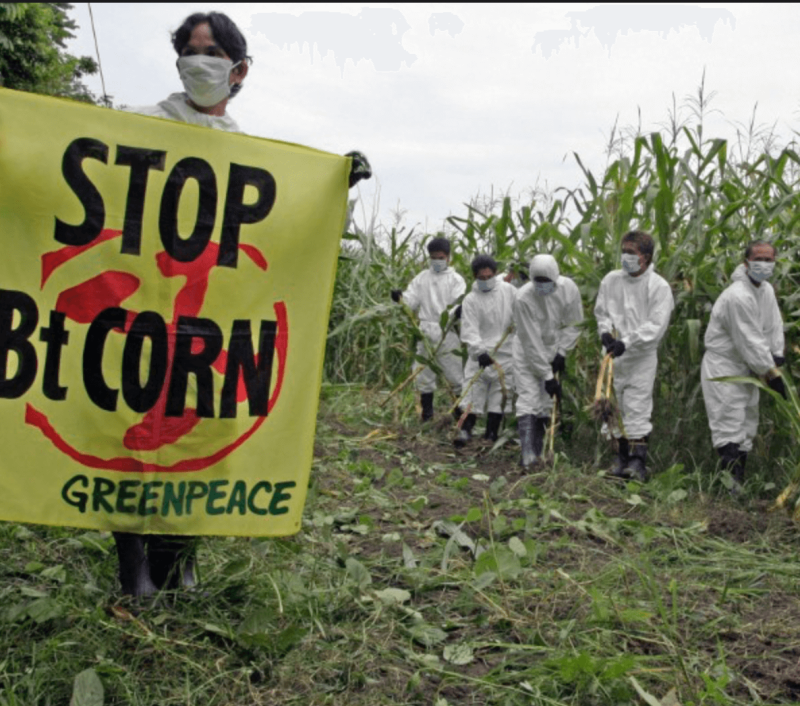
The initial 10-year study (2000-2009) authored by Dr. Mariechel Navarro and colleagues showed that majority of the reports from the top newspapers, Manila Bulletin, Philippine Daily Inquirer, and Philippine Star were about the development and commercialization of biotech corn in the Philippines. The coverage was high in terms of the number of articles, but sensationalism and speculations were evident, since a biotech crop was just introduced and commercialized in the country. Negative metaphors such as “frankenfood” and “poison” were commonly used in the initial years of reporting. The follow-up study (2010-2016) conducted by Kristine Grace Tome, Dr. Navarro, and colleagues showed that the use of fear metaphors declined, and an increasing effort to present science-based information became more evident in the succeeding years. More positive metaphors such as “new hope”, “answer to farmers’ dreams”, and “light of hope” were used in the articles depicting favorable potential or promise of the technology.

…

Download the publication from the ISAAA website here.

The GLP aggregated and excerpted this blog/article to reflect the diversity of news, opinion, and analysis. Read full, original post: Study analyzes 17 years of modern biotech news reporting in the Philippines

Related Articles

Infographic: Global regulatory and health research agencies on whether glyphosate causes cancer

Infographic: Global regulatory and health research agencies on whether glyphosate causes cancer

Does glyphosate—the world's most heavily-used herbicide—pose serious harm to humans? Is it carcinogenic? Those issues are of both legal and ...

Most Popular

ChatGPT-Image-Mar-10-2026-01_39_01-PM
Viewpoint—“Miracle molecule” debunked: Why acemannan supplements don’t work
ChatGPT-Image-Sep-30-2026-01_11_07-PM
How U.S. teamed with Russia to block global human AI weapons oversight
ChatGPT-Image-Sep-21-2026-03_15_09-PM
Viewpoint: Chipotle-inspired lesson: 10,000 sick customers suggest that processed foods can be safer than fresh ones
ChatGPT-Image-Sep-29-2026-12_16_42-PM
Social media influencers are driving food misinformation across Europe
Screenshot-2026-09-29-at-11.06.43-AM
Astrology, homeopathy, vaccine rejectionism, creationism: Why pseudoscience thrives as science advances
generated-1790707585414
Facts & Fallacies podcast: America's health care system is broken. A doctor explains how to fix it
ChatGPT-Image-Sep-23-2026-02_36_39-PM
Viewpoint: After firing the entire National Science Board, Trump reshapes funding initiatives. Here’s the good and the bad.
Screenshot-2026-09-28-at-1.16.38-PM
Defying public perceptions, U.S. cancer deaths plunged 35% since 1991
ChatGPT-Image-Jun-18-2026-04_15_29-PM
Viewpoint: Kennedy’s ‘bad science’: MAGA embrace bolsters HHS secretary’s influence and popularity
ChatGPT-Image-Sep-2-2026-02_03_32-PM
How much of a problem is AI’s water use?
glp menu logo outlined

Get news on human & agricultural genetics and biotechnology delivered to your inbox.