Genetically modified ‘super-algae’ combats global-warming-caused coral bleaching

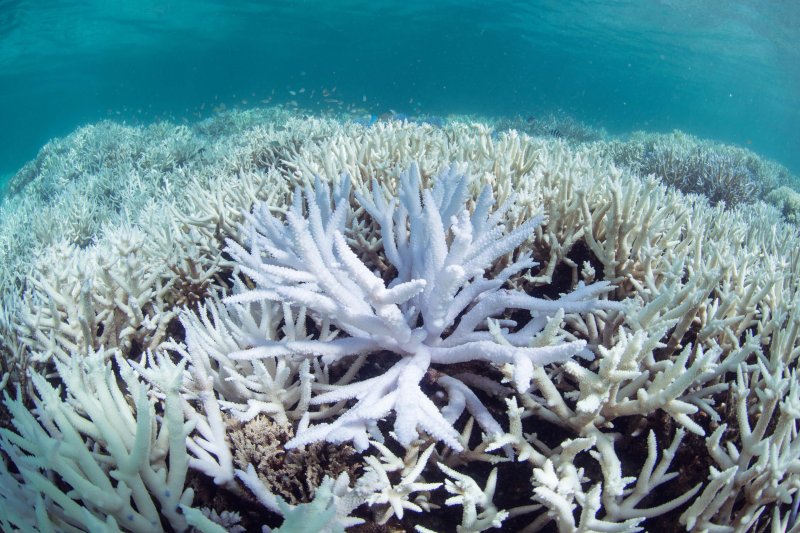
EXCLUSIVE Coral bleaching in New Caledonia

Rachel Levinย from The University of New South Wales, Australia and her international team of researchers may have found a solution to reduce coral bleaching by genetically engineering the microalgae found in corals, enhancing their stress tolerance to ocean warming.

These microalgae are calledย Symbiodinium, a genus of primary producers found in coral that are essential for coral reef health and, thereby, critical to ocean productivity.ย Symbiodiniumย photosynthesize to produce molecules that feed the corals, which is necessary corals to grow and form coral reefs.

Coral bleaching is caused by changes in ocean temperatures which harmย Symbiodinium, leading corals to lose their symbioticย Symbiodiniumย and therefore starve to death.

โ€ฆ

In research published inย Frontiers in Microbiology, the researchers use sequencing data fromย Symbiodiniumย to design genetic engineering strategies for enhancing stress tolerance ofย Symbiodinium, which may reduce coral bleaching due to rising ocean temperatures.

โ€ฆ

“Symbiodiniumย that have been genetically enhanced to maintain their symbiosis with corals under rising ocean temperatures has great potential to reduce coral bleaching globally” they suggest.

However, Levin does warn that this is no easy miracle cure [โ€ฆ] โ€œExtensive, rigorous studies evaluating any potentially negative impacts would be absolutely necessary before any field-based trials on this technology begin.”

The GLP aggregated and excerpted this blog/article to reflect the diversity of news, opinion, and analysis. Read full, original post: A super-algae to save our seas


{{ reviewsTotal }}{{ options.labels.singularReviewCountLabel }}
{{ reviewsTotal }}{{ options.labels.pluralReviewCountLabel }}
{{ options.labels.newReviewButton }}
{{ userData.canReview.message }}

Related Articles

Infographic: Global regulatory and health research agencies on whether glyphosate causes cancer

Infographic: Global regulatory and health research agencies on whether glyphosate causes cancer

Does glyphosateโ€”the world's most heavily-used herbicideโ€”pose serious harm to humans? Is it carcinogenic? Those issues are of both legal and ...

Most Popular

Screenshot-2026-04-22-at-12.21.32-PM
Viewpoint: Why the retracted Monsanto glyphosate study doesnโ€™t change the scienceโ€”the worldโ€™s most popular herbicide is safeย 
ChatGPT-Image-Apr-16-2026-02_56_53-PM
Financial incentives, over diagnosis, and weak oversight: Autism claims are driving up Medicare costs
Picture1
The FDA couldnโ€™t find a vaccine safety crisis, so it buried its own research
ChatGPT-Image-May-1-2026-11_42_59-AM-2
Viewpoint: NAD is the wellness grifters latest evidence-lite longevity fad. At least the mice are impressed.
global warming
โ€˜Implausibleโ€™: Top climate scientists reject worst-case scenarioโ€”soaring temperatures and fast-rising sea levels
Screenshot-2026-05-21-at-12.15.17-PM
UK gene-editing milestone: Livestock barley that increases ruminant value and reduces methane emissions is first-approved CRISPR crop
Screenshot-2026-05-21-at-3.15.53-PM
Chiropractors may no longer be modern-day snake oil salesmen, but the benefits of their therapy are limitedโ€“at best

Sorry. No data so far.

glp menu logo outlined

Get news on human & agricultural genetics and biotechnology delivered to your inbox.