Beneficial ‘natural’ gene mutation could be effective in treating sickle cell

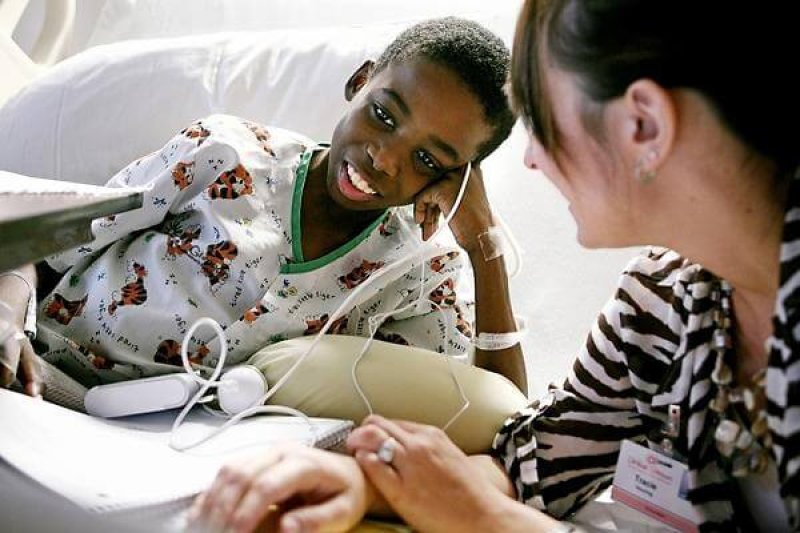
PAN Music Therapy Miss t w h

Sickle cell disease (SCD) patients have a genetic defect that leads them to produce hemoglobin S, or sickle hemoglobin, instead of normal hemoglobin. This impairs the ability of red blood cells to bind to oxygen molecules in the lungs, and consequently to deliver oxygen to tissues throughout the body.

A benign genetic mutation in the fetal globin gene is called the British-198 mutation, because it was first discovered in a British family in 1974. Fetal hemoglobin has high affinity to oxygen, and commonly shuts down after birth. However, those carrying the “naturally occurring” British-198 gene variant had high levels of fetal hemoglobin in adulthood, with levels reaching up to 20% expression compared to the 1% found in most children and adults.

Seeing therapeutic potential, researchers […] tested if they could introduce the British-198 mutation into human cells to induce fetal hemoglobin production.

“Our laboratory has shown that introducing the beneficial mutation British-198 into blood cells using this technology substantially boosts their production of fetal hemoglobin,” [said Merlin Crossley, the study’s senior author.] “Because this mutation already exists in nature and is benign, this ‘organic gene therapy’ approach should be effective and safe to use to treat, and possibly cure, serious blood disorders.”

The GLP aggregated and excerpted this blog/article to reflect the diversity of news, opinion, and analysis. Read full, original post: Natural’ Gene Mutation May Offer Way of Treating Sickle Cell Disease, Study Says


{{ reviewsTotal }}{{ options.labels.singularReviewCountLabel }}
{{ reviewsTotal }}{{ options.labels.pluralReviewCountLabel }}
{{ options.labels.newReviewButton }}
{{ userData.canReview.message }}

Related Articles

Infographic: Global regulatory and health research agencies on whether glyphosate causes cancer

Infographic: Global regulatory and health research agencies on whether glyphosate causes cancer

Does glyphosate—the world's most heavily-used herbicide—pose serious harm to humans? Is it carcinogenic? Those issues are of both legal and ...

Most Popular

Picture1-5
Science Disinformation Gap: The transatlantic battle over social media and censorship
Screenshot-2026-04-23-at-11.00.36-AM
Regulators' dilemma: Thalidomide, Metformin, and the cost of getting drug approvals wrong
ChatGPT Image May 10, 2026, 08_16_59 PM 2
Overmedicalization? RFK Jr.’s antidepressant crackdown raises conflict questions over his fee stake in Wisner Baum, the tort firm built on suing drug makers
ChatGPT-Image-May-12-2026-08_39_41-PM
GLP podcast: Big Pharma, Big Ag, Big Food—health harming industries or life-saving innovators?
Picture1-1
Cooling the planet with balloons: Could a geoengineering gamble slow global warming?
Screenshot-2026-05-12-at-9.58.31-PM
'He seems fine': Marty Makary out as FDA commissioner
Picture1-14
When superbugs threaten vulnerable children: Can AI help solve antibiotic resistance?
Screenshot-2026-05-12-at-10.05.11-AM
Pro-vaccine “hero” vs. an anti-vax “villain”: ‘Bad Vaxx’ video stirs MAHA backlash
Screenshot-2026-05-11-104424
Hantavirus outbreak research: Trump administration shut down study last year on rodent-to-human transmission
Screenshot 2026-05-11 at 11.30
Despite politicized disinformation, Midwest AI data centers are fueling a solar energy boom
ChatGPT Image May 12, 2026, 10_19_00 AM 2
Viewpoint— 'Muscular governance': How authoritarianism is surging corporate-linked energy misinformation
S
As vaccine rejectionism spreads, measles may be taking a more dangerous turn
Screenshot-2026-05-01-at-1.29.41-PM
Viewpoint: What happens when whole grains meet modern food manufacturing? Labels don’t tell the whole story.
glp menu logo outlined

Get news on human & agricultural genetics and biotechnology delivered to your inbox.