Census shows monarch butterfly population not in decline, but scientists challenge findings, blaming milkweed loss

taggedbutterfly
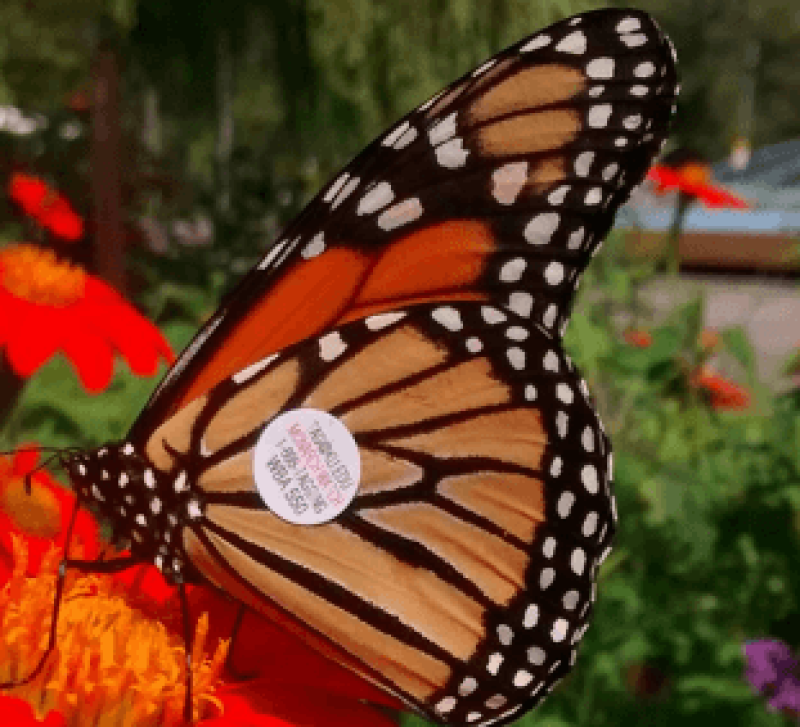
A monarch with a tag, which is used by citizen scientists in the yearly monarch butterfly census

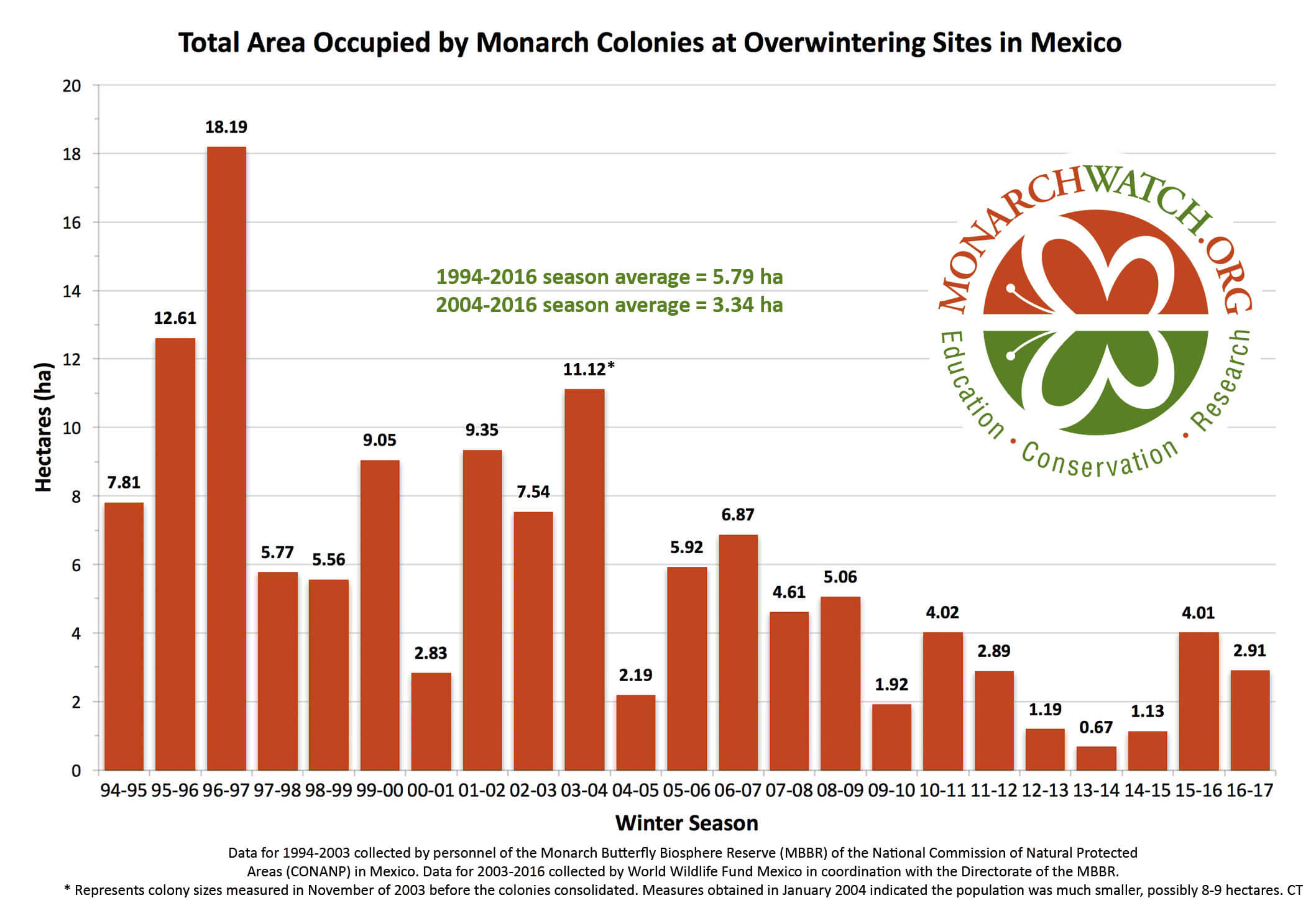
Monarch butterfly populations have taken a nosedive over the last 20 years, according to researchers who monitor the number of butterflies that spend the winter in Mexico every year. But organizations of citizen scientists in the United States who conduct yearly censuses of monarchs in state parks and other locations in the summer have reported no consistent dip in the number of butterflies they see.

This discrepancy has led some to challenge the widely accepted belief that loss of milkweed on the U.S. landscape has driven the decline of the species.

[John Pleasants, an adjunct assistant professor in the Department Ecology, Evolution and Organismal Biology,] set out to pinpoint the reason for the discrepancy and found that it results from the fact that monarch activity has shifted out of agricultural fields, where milkweeds were once common. For example, roughly half of farm fields in Iowa used to have patches of milkweed, but the widespread use of the herbicide glyphosate has kept fields free of milkweed in recent years. That leaves monarchs with no choice but to concentrate in other areas with milkweed, Pleasants said. It is these other areas where summer censuses are conducted.

This increasing concentration effect masks the decline in population size, Pleasants said.D H
The GLP aggregated and excerpted this article to reflect the diversity of news, opinion and analysis. Read full, original post: Saving the monarch butterfly: Iowa State University biologist explains census discrepancy


{{ reviewsTotal }}{{ options.labels.singularReviewCountLabel }}
{{ reviewsTotal }}{{ options.labels.pluralReviewCountLabel }}
{{ options.labels.newReviewButton }}
{{ userData.canReview.message }}

Related Articles

Infographic: Global regulatory and health research agencies on whether glyphosate causes cancer

Infographic: Global regulatory and health research agencies on whether glyphosate causes cancer

Does glyphosate—the world's most heavily-used herbicide—pose serious harm to humans? Is it carcinogenic? Those issues are of both legal and ...

Most Popular

Screenshot-2026-04-20-at-2.26.27-PM
Viewpoint — Food-fear world: The latest activist scientists campaign: Cancer-causing additives
Screenshot-2026-05-01-at-11.56.24-AM
‘Science moves forward when people are willing to think differently’: Memories of DNA maverick Craig Venter
Screenshot-2026-04-03-at-11.15.51-AM
Paraben panic: How a flawed study, media hype, and chemophobia convinced the public of the danger of one of the safest classes of preservatives
Screenshot-2026-03-13-at-12.14.04-PM
The FDA wants to make many popular prescription drugs OTC—a great idea. Here’s why it’s unlikely to happen
ChatGPT-Image-May-1-2026-02_20_13-PM
How RFK, Jr.’s false vaccine claims are holding up $600 million to fight diseases in poor countries
viva-la-vida-watermelons
Misinformation and climate change are endangering summer watermelons
Screenshot-2026-04-30-at-2.19.37-PM
5 myths about summer dehydration that could damage your health — or even kill you
Drinking lots of water can help reduce the effects of aging
Nanoplastics in drinking water: MAHA activists forge science-based bipartisan coalition 
79d03212-2508-45d0-b427-8e9743ff6432
Viewpoint: The Casey Means hustle—Wellness woo opportunism dressed up as medical wisdom
ChatGPT-Image-Mar-27-2026-11_27_05-AM
The myths of “process”: What science says about the “dangers’ of synthetic products and ultra-processed foods
Screenshot-PM-24
Viewpoint: The herbicide glyphosate isn’t perfect. Banning it would be far worse.
ChatGPT-Image-Apr-30-2026-12_21_05-PM-2
The tech billionaires behind the immortality movement
glp menu logo outlined

Get news on human & agricultural genetics and biotechnology delivered to your inbox.