[Editor’s note: Michelle Miller is the Farm Babe, is an Iowa-based farmer, public speaker and writer, who lives and works with her boyfriend on their farm which consists of row crops, beef cattle, and sheep.]
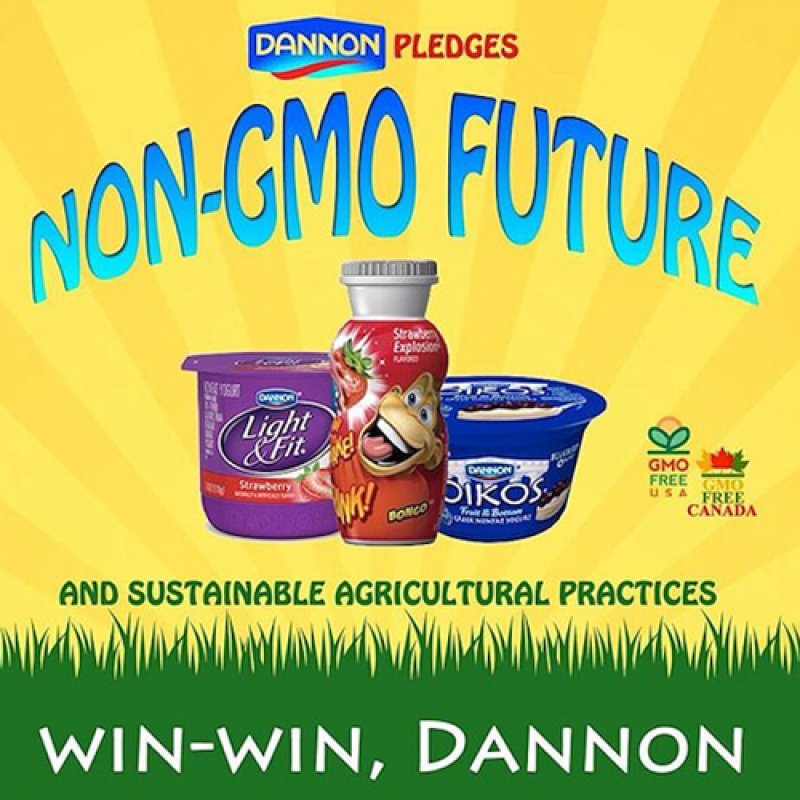
A little over a year ago, Dannon yogurt announced they would be transitioning to non-GMO sourced feed for the dairy cows that provide the milk for Dannon yogurt.
This is a problem for many reasons.
…
A lot of feed is imported to keep up with the non-GMO demand, and they don’t have to be fed non-GMO all the time to keep the label. In a marketing campaign where French-based Danone claims they want to be more “sustainable,” why are they turning their backs on science and being dishonest? Outsourcing goes against a mission of sustainability no doubt, when you could source from right there in the heartland.

 It’s already less sustainable by switching to non-GMO in the first place. Dannon seems to be headed down the road of deceptive marketing gimmicks to sell their products just as companies like Chipotle did. Fear sells, so make something like “GMO” sound scary and rake in the cash.
But is it helping? Sales within a Dannon were on the decline, so they acquired more business and started this “non-GMO” marketing campaign. Despite the fact that modern agriculture groups vehemently opposed this decision, that didn’t stop them.
So, hey, Dannon, how’s it going? Not well, according to this report from Bloomberg, [the stock of its parent company, Danone, is] lower than it’s been in a decade after making this non-GMO announcement last year.
The GLP aggregated and excerpted this article to reflect the diversity of news, opinion and analysis. Read full, original post: Farm Babe: Dannon’s non-GMO shift is a bad financial move and even worse PR