USDA again probes National Organic Program’s ‘weak’ import controls, putting label’s integrity at risk

Screen Shot at AM e

The USDAโ€™s National Organic Program completed more complaint reviews and investigations that it received in 2017. ย It finished work on 462 reviews and investigations while receiving 379 incoming complaints during the fiscal year 2017 ending last Sept. 30.

Organic sales topped $68.8 billion on the steady growth of about 5 percent a year. More than eight out of ten households made organic purchases. And 4.1 million acres out of 915 million acres of U.S. farmland was reportedly dedicated organic production on about 15,000 farms.

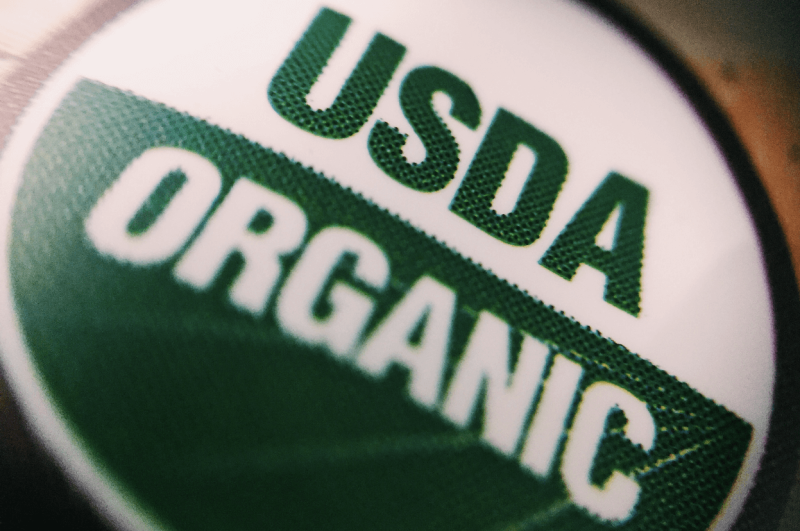
However, the National Organic Programโ€™s (NOP)ย weak controls over organic imports, again came under scrutiny from USDAโ€™s Office of Inspector General, putting the integrity of the USDA organic label at risk. The OIG found produce shipments of all kinds are fumigated at the border with pesticides to prevent pests from entering the U.S. And, a weak import certificate system imposed by NOP in 2012 has not prevented organics for getting the same treatment.

โ€œFraudulent certificates may have been created and used without the knowledge of the operator or the certifying agent named in the certificates,โ€ according to NOP.

โ€œThe posting of the fraudulent certificates does not necessarily mean that the named business or certifying agent was involved in illegal activity. If a business named on the fraudulent certificate is certified, its certifying agent, identified in the list of certified operations, can provide additional information and verification to the organic trade.โ€

Read full, original post:ย USDAโ€™s organic enforcement efforts find fraudulent certificates

{{ reviewsTotal }}{{ options.labels.singularReviewCountLabel }}
{{ reviewsTotal }}{{ options.labels.pluralReviewCountLabel }}
{{ options.labels.newReviewButton }}
{{ userData.canReview.message }}

Related Articles

Infographic: Global regulatory and health research agencies on whether glyphosate causes cancer

Infographic: Global regulatory and health research agencies on whether glyphosate causes cancer

Does glyphosateโ€”the world's most heavily-used herbicideโ€”pose serious harm to humans? Is it carcinogenic? Those issues are of both legal and ...

Most Popular

ChatGPT-Image-May-7-2026-12_16_37-PM-2
Viewpoint: Are cancer rates โ€˜skyrocketingโ€™ as RFK, Jr. and MAHA claim? The evidence says mostly the opposite
Screenshot-2026-04-13-at-1.39.26-PM
Viewpoint: โ€˜Safer for children?โ€™ Stonyfield yogurt under fire for deceptive organic marketing
Screenshot-2026-04-22-at-10.46.29-AM
Viewpoint: How to counter science disinformation? Science journalist offers 12 practical tips
Picture1-14
When superbugs threaten vulnerable children: Can AI help solve antibiotic resistance?
Screenshot-2026-04-23-at-11.00.36-AM
Regulators' dilemma: Thalidomide, Metformin, and the cost of getting drug approvals wrong
Picture1-1
Cooling the planet with balloons: Could a geoengineering gamble slow global warming?
bigstock opioids on chalkboard with rol
GLP podcast: 'Safe injection sites': enabling drug addiction or saving lives?
ChatGPT-Image-May-12-2026-08_39_41-PM
GLP podcast: Big Pharma, Big Ag, Big Foodโ€”health harming industries or life-saving innovators?

Sorry. No data so far.

glp menu logo outlined

Get news on human & agricultural genetics and biotechnology delivered to your inbox.