Ecomodernist agriculture: Farmers need science and technology to limit environmental footprint

s series combine r D x

It takes roughly 6 square miles to support one hunting-gathering human. Modern intensive farming, by contrast, can support up to 4,000 people on the same land area. That means we would need another 12 planets to support today’s human population in an entirely hunter-gatherer system.

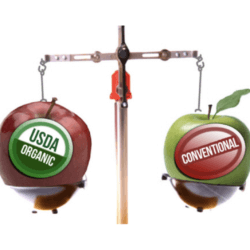
The organic movement has challenged the whole model of industrialized farming, seeking to move to a less intensive ideal that proponents feel is closer to nature. Debates rage about pesticides, hormones, animal welfare, and so on. Trade-offs are rarely acknowledged. For example, organic’s lower yields inevitably mean that more land must be tilled up to feed the same number of people, so the net environmental effect may be negative.

Ecomodernism, a more progressive variant of environmental thinking, seeks to take a pragmatic approach to these challenges, welcoming technology where this can make humans less dependent on nature. As a group of environmental activists and thinkers (of which I was one) wrote in the Ecomodernist Manifesto in 2015.

The math is simple. Supporting a growing population without increasing farmland requires increasing crop yields. Yield gaps in poorer countries need to be closed with better crop genetics and modern ag techniques.

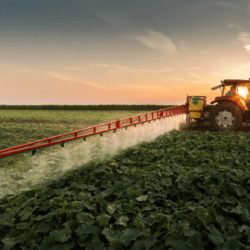
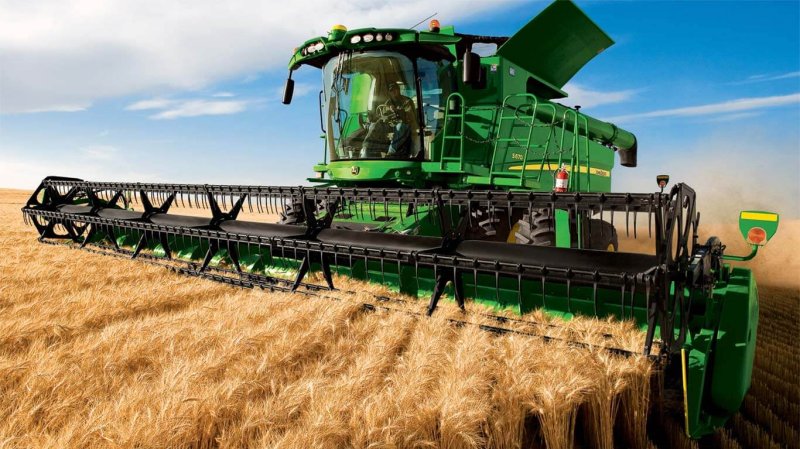
Ecomodernists want to see science fully applied in agriculture so that farmers can do their job of growing food in the most sustainable and productive way they can.

Read full, original post: The ecomodernist argument for modern agriculture

{{ reviewsTotal }}{{ options.labels.singularReviewCountLabel }}
{{ reviewsTotal }}{{ options.labels.pluralReviewCountLabel }}
{{ options.labels.newReviewButton }}
{{ userData.canReview.message }}

Related Articles

Infographic: Global regulatory and health research agencies on whether glyphosate causes cancer

Infographic: Global regulatory and health research agencies on whether glyphosate causes cancer

Does glyphosate—the world's most heavily-used herbicide—pose serious harm to humans? Is it carcinogenic? Those issues are of both legal and ...

Most Popular

Screenshot 2026-05-06 at 2.56
Singularity crisis ahead? Can super babies save us from rogue AI geniuses?
Screenshot-2026-03-13-at-12.14.04-PM
The FDA wants to make many popular prescription drugs OTC—a great idea. Here’s why it’s unlikely to happen
Screenshot-2026-04-20-at-2.26.27-PM
Viewpoint — Food-fear world: The latest activist scientists campaign: Cancer-causing additives
Screenshot-2026-05-01-at-11.56.24-AM
‘Science moves forward when people are willing to think differently’: Memories of DNA maverick Craig Venter
images
The never-ending GMO debate: Pros and cons
Screenshot-PM-24
Viewpoint: The herbicide glyphosate isn’t perfect. Banning it would be far worse.
Screenshot-2026-04-03-at-11.15.51-AM
Paraben panic: How a flawed study, media hype, and chemophobia convinced the public of the danger of one of the safest classes of preservatives
Screenshot-2026-04-30-at-2.19.37-PM
5 myths about summer dehydration that could damage your health — or even kill you
Screenshot-2026-05-01-at-1.29.41-PM
Viewpoint: What happens when whole grains meet modern food manufacturing? Labels don’t tell the whole story.
Screenshot-2026-05-06-at-2.07.43-PM
Manufacturing a conspiracy: The timeline of how  the White House embraced the fringe claim that scientists are being mysteriously murdered
79d03212-2508-45d0-b427-8e9743ff6432
Viewpoint: The Casey Means hustle—Wellness woo opportunism dressed up as medical wisdom
glp menu logo outlined

Get news on human & agricultural genetics and biotechnology delivered to your inbox.