People who both travel to and live at high altitudes typically cope with lower oxygen levels by increasing red blood cell production, which can help get more oxygenated blood to organs and tissues. But the increase in red blood cells also makes blood thicker, stickier, and more difficult to pump, putting a strain on the cardiovascular system and leading to health issues, including heart failure and high blood pressure.
…
The researchers studied a group of Andean highlanders who speak a language called Aymara and live at elevations topping 3,600 meters. “We can’t experiment genetically with humans, but nature has sometimes [done] experiments for us,” says coauthor Rasmus Nielsen.
…
[Nielsen’s team] sequenced the genomes of 42 Aymaras from Bolivia. They then searched for possible areas of natural selection: genomic regions that differ from those of both Europeans and Native Americans not living at high altitudes.
…
None of the most differentiated regions in Andean genomes were associated with the pathways that respond to low oxygen levels or regulate red blood cell numbers, Nielsen says. Instead, the authors theorize that the identified variants could potentially mitigate the negative effects of having extra red blood cells in another way: by modifying cardiovascular function and cardiac development.
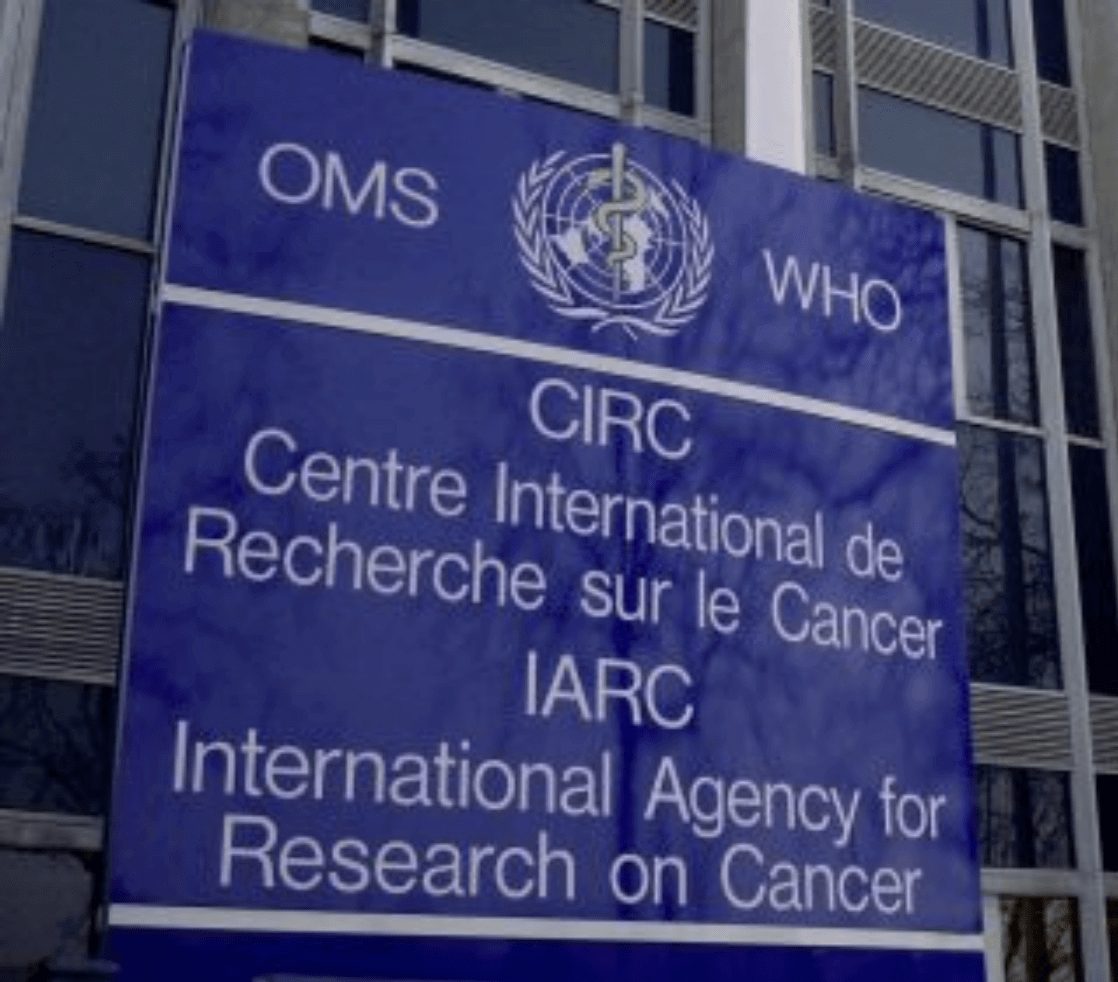
The International Agency for Research on Cancer will not comply with a House science committee’s request related to the agency’s conclusions on glyphosate. Earlier this month, Chairman Lamar Smith called on IARC to testify about allegations that the agency had manipulated its assessment that found glyphosate “probably” causes cancer in humans. The committee asked IARC to submit names by today of officials who could attend a hearing. But officials at IARC in Lyon, France, decided the request did not go through the proper channels.
“We will respond when we receive an official request through the proper channel. There is no decision yet on whether to send or not someone,” Véronique Terrasse, communications officer for IARC, told POLITICO Europe. She added that the information [was] relayed to Smith [Wednesday, Nov. 8], and that a request to summon IARC officials should instead come from the U.S. State Department and be addressed to American representatives sitting on IARC’s governing council.
The GLP aggregated and excerpted this article to reflect the diversity of news, opinion and analysis. Read full, original post: Morning Agriculture: FDA ready to do more on nutrition — IARC stonewalls House committee — Tackling sugar supports — WHO’s antibiotics recommendations (behind paywall)
[Editor’s note: Kate Lambert and her husband grow corn and soybeans in Brookfield, Mo.]
We are those farmers they want you to fear. We are the big farmers who use GMOs, chemicals and produce food for grocery stores.
We use GMOs by choice to help us fight drought, erosion, pests and fungus. GMOs leave a smaller footprint and help us be more responsible stewards of our land. We proudly buy and consumes products grown with GMO ingredients because we understand what they are, how they help and the science that has proven them safe for over 20 years.
We are the farmers who use chemicals carefully and in the correct amounts to manage risk and our environment and to provide you a safe, reliable food source. We often rely on modern chemicals that have been developed to be more effective and less toxic than chemicals used decades ago.
But we are also the farmers who use GMOs and other technology to reduce our chemical use as much possible. Not because the chemicals we use aren’t safe, but because they are expensive and require extra trips across the fields.
…
We are those farmers, but it is not our story. We are not scary, and neither is the food we are raising.
The GLP aggregated and excerpted this article to reflect the diversity of news, opinion and analysis. Read full, original post: We are those big, GMO farmers
As a small organic farmer, I got a kick out of of an article advertising ‘Farming Camp’ for little ones. We used to go to church camp, soccer camp, scout camps, even fat camps, but farm camps? Too funny!
Yet the reality is that most children have no idea what a potato plant looks like—even if they grew up in Idaho. In fact, we have all lost our connection to how our food is made and this ignorance can quickly lead to the spread of misinformation if the wrong people start guiding the public towards personal agendas. The end result of this is a public that fears what it shouldn’t. In the last 10 years, this process has been playing in the food industry as activists cry out that our food and farming is tainted and dangerous.
For many years, as a grower, I resisted the organic movement because I believed it to be self-serving and not really representative of what consumers thought it was—mainly the belief it is is safer and pesticide free. As a purist, I believed that organic allowed too much of ‘Big AG’ to dictate what it should be, which watered down the criteria—a criteria set by lawmakers and lobbyists. But that was then. I eventually switched, and after farming organically for 15 years, I have a new respect and more understanding of how conventional agriculture and organic are eerily very similar.
Organic and conventional growers use many of the same techniques: integrated pest management (IPM); crop rotation; cultivation to prevent weeds rather than turning immediately to herbicides; cover cropping; compost and manure. They both believe they are stewards of the land, and with the best care, they will have even better yields. Neither group runs for the chemical bottle right away to spray crops with pesticides unless it is absolutely necessary. Oh, and both types of farmers have lobbying groups, designed to influence lawmakers toward their favor.
Bt is an organic pesticide derived from a natural bacterial toxin that organic farmers often scary on their crops.. It is used in conventional farming too: Bt corn and cotton are GMOs with the gene for that bacterial toxin inserted into the seeds. Humans do not have the receptors for it, so it has no effect on people if consumed, and worm damage on crops is limited in the presence of Bt. It’s very effective and that’s why both types of farmers use it.
Despite Bt’s use by virtually all farmers, many activists would have you believe that the organic way of keeping worms off the corn is much better because it is supposedly more natural. What’s natural?Most commercial organic growers commonly use broad spectrum pyrethrins (an insecticide derived from a flower), which kills everything it touches—ladybugs, praying mantis, even gasp, bumble bees! And yet it is far less effective than many synthetic pesticides, needing to be re-applied more frequently, and it has the potential for air, water and soil contamination. It’s also strangely, very expensive, perhaps because it is certified organic.
Knowing the similarities of conventional and organic farming, my puritan organic side sometimes struggles with supporting the organic ideals, versus the actual science based facts that indicate just because something is natural, that doesn’t mean it is better or safer. Often new synthetic technology can be more targeted, more sustainable and coincidentally, safer than the natural alternatives. Having a clearer understanding of the science, including the differences between how organic producers and conventional producers will solve a problem, brings a different perspective to the organic vs. GMO debate.
Remember, I am an organic grower. I do not use GMOs or synthetic chemicals, but I truly believe that in certain settings it would be a serious benefit to agriculture to be able to consider all our tools when deciding how to do the least harm to our land. Because, all growers, organic or conventional are stewards of the future and know that by treating their land properly, the return would be greater than before.
Lest you think that I am down on organic, I am not. But the reality is that consumers are being led down a path that is divisive, and that leads people to believe there is only one way. I propose a third way of farming: using our technology and being good stewards of the earth in a way that encompasses the best of all our farming practices without excluding those parts of technology that can reduce pesticide use, increase yields and productivity.
In reality, understanding the science and rejecting the rhetoric will bring more of us to a place where we can all see the similarities rather than focusing on the differences that a marketing. And maybe, we can even learn to respect each other enough to hear the other side’s story and use what each side has to offer in a way that will benefit and protect our treasures for many years to come.
So get those kids out there digging in the dirt at the farm camps, and let’s see if we can create a future that does the least harm while growing the best food in the world. Knowledge is power, and with it, we can all work together for the common goal instead of being pawns for a self justifying industry.
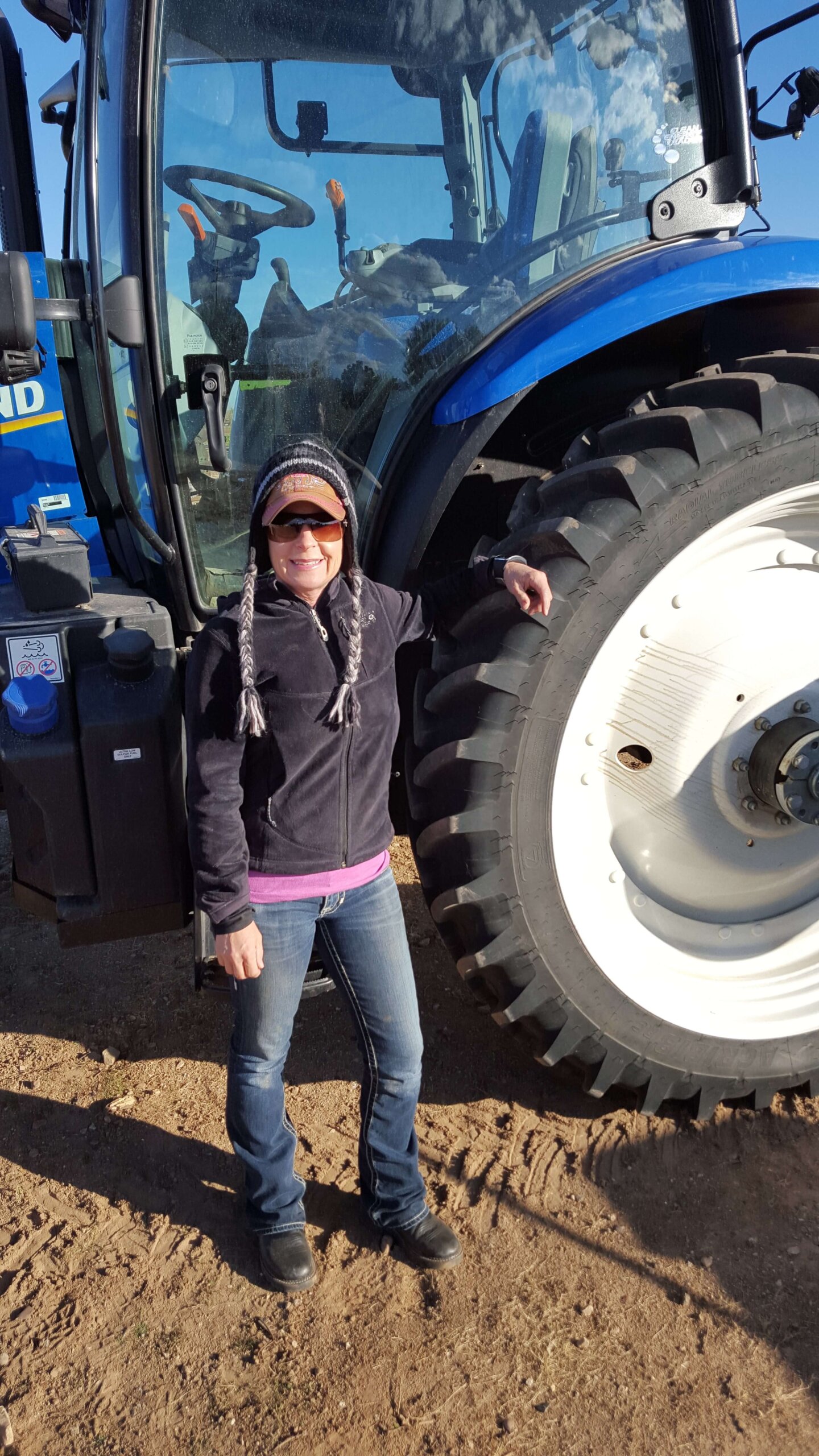
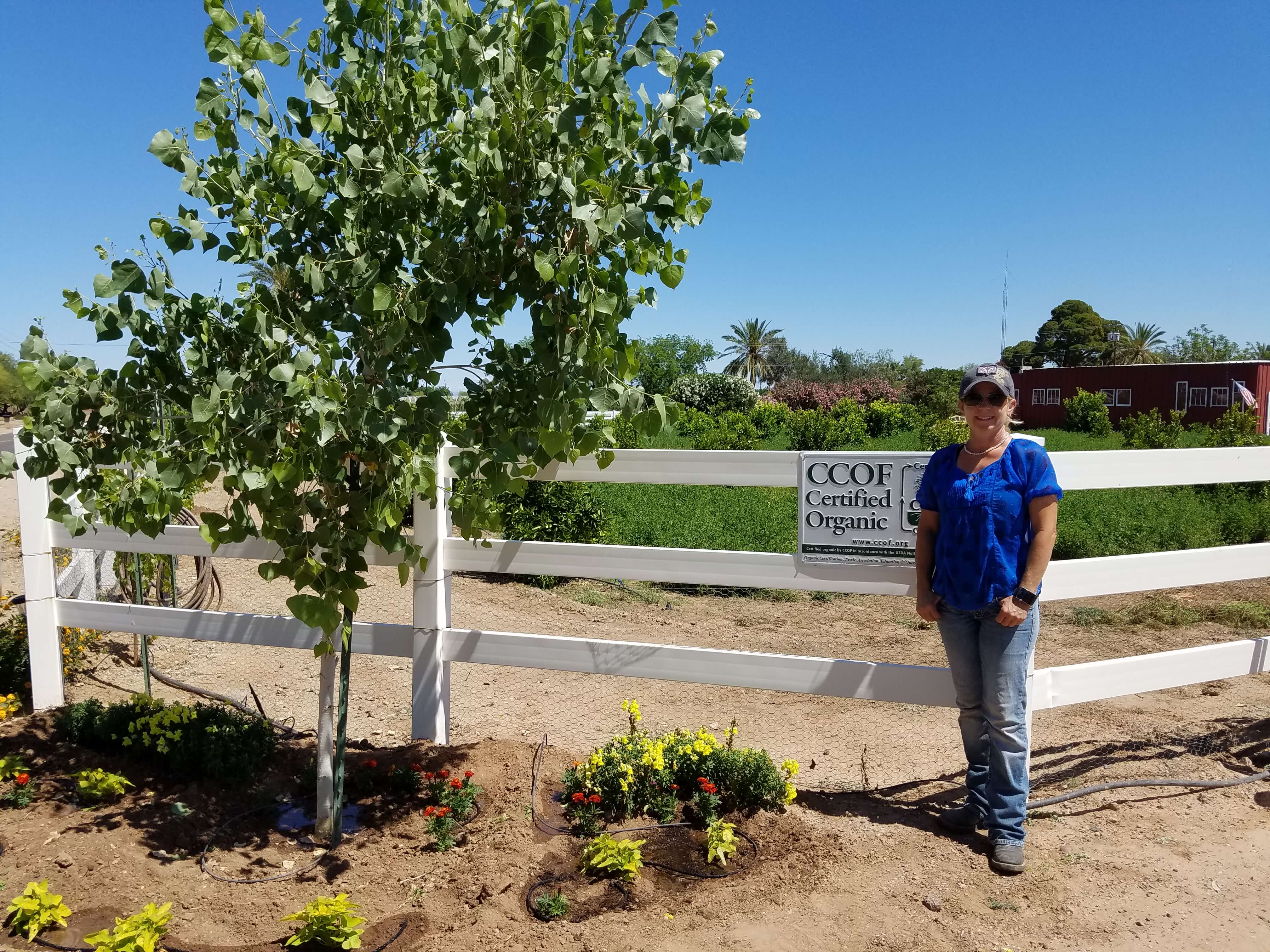
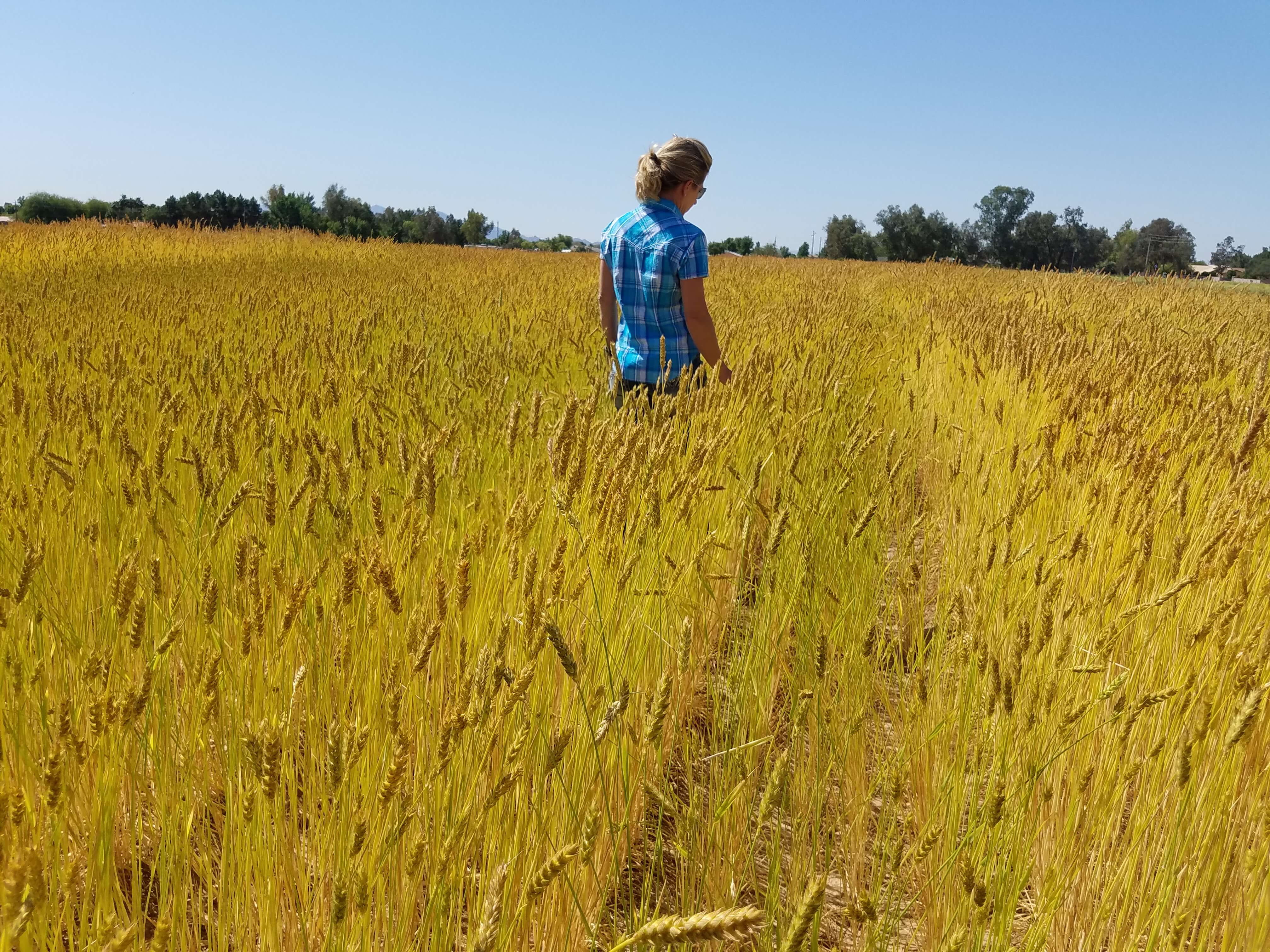
Janna Anderson is the owner of Pinnacle Farms, a certified organic orchard and vegetable operation on 25 acres in Phoenix, Arizona and 22 acres sustainably managed. She also grows seed for heritage grains, beans, corn and onions for their unique desert adaptability. Follow her on Facebook at Phoenix Pinnacle Farms and on Twitter at @pinnaclefarmsaz.
For decades, students were taught that the first people in the Americas were a group called the Clovis who walked over the Bering land bridge about 13,500 years ago.
…
Now scholars are supporting the “kelp highway hypothesis,” which holds that people reached the Americas when glaciers withdrew from the coasts of the Pacific Northwest 17,000 years ago, creating “a possible dispersal corridor rich in aquatic and terrestrial resources.” Humans were able to boat and hike into the Americas along the coast due to the food-rich ecosystem provided by coastal kelp forests, which attracted fish, crustaceans, and more.
…
[T]he big question now is when pre-Clovis people actually arrived in the Americas. They suggest the arrival could be as early as 20,000 years ago on the verdant kelp highway. Other researchers, however, say people could have arrived during a temperate period about 130,000 years ago. A recent paper in Nature describes what appear to be the 130,000-year-old butchered remains of mastodons in California, along with sharp stones used to deflesh the animals. There is plenty of skepticism in the scientific community about this discovery, but the evidence can’t be ignored.
[The original study can be found here]
An EU vote has failed to resolve a controversy over the use of glyphosate, the world’s biggest-selling weedkiller.
…
The current glyphosate licence runs out in the EU on 15 December. Only half of the 28 member states backed a European Commission proposal to renew the licence for five years.
An EU appeal committee will now try to rule on the issue.
The UK was among the 14 states backing the Commission position on glyphosate. Nine voted against – including France and Italy. Germany was among the five who abstained.
…
Glyphosate’s toxicity is reckoned to be low, in the concentrations used by farmers, although the UN International Agency for Research on Cancer called it “probably carcinogenic”.
The European Commission says that besides EFSA, the European Chemicals Agency and other scientific bodies found no link to cancer in humans.
[M]illions of years ago, being able to consume alcohol was likely vital to survival: our ancestors evolved to metabolize booze right around the time we grew more likely to encounter it. It is possible that the same reward pathway that might have helped our ancestors forage for food is contributing to our society’s public health problem with alcohol today.
A team of researchers led by biologist Matthew Carrigan from the Foundation for Applied Molecular Evolution found in 2015 that, around 10 million years ago, our primate ancestors gained a mutation in alcohol dehydrogenase (ADH4), an enzyme that changes alcohol into safe compounds that cells can use as food. This mutation, which was absent in more distant primates, allowed for a metabolism of alcohol that was 40 times more efficient.
…
Our craving for alcohol might have resulted from the fact that our early food sources, like fermented fruits, were more likely to contain alcohol. Since food is one of the natural stimuli for the reward pathway, perhaps the association of alcohol and food drove the evolution.
…
The complex interaction of genetics and environment (nature vs. nurture) for AUDs emphasizes the need for studying both genetic and environmental factors, not just one or the other.
There may be no bigger question than whether we are alone in our solar system. As our spacecraft find new clues about the presence of liquid water now or in the past on Mars, the possibility of some kind of life there looks more likely. On Earth, water means life, and that’s why the exploration of Mars is guided by the idea of following the water.
But the search for life on Mars is paired with plenty of strong warnings about how we must sterilize our spacecraft to avoid contaminating our neighbor planet. How will we know what’s native Martian if we unintentionally seed the place with Earth organisms? A popular analogy points out that Europeans unknowingly brought smallpox to the New World, and they took home syphilis. Similarly, it is argued, our robotic explorations could contaminate Mars with terrestrial microorganisms.
Microbiologists frequently collect swab samples from the floor of clean rooms during spacecraft assembly. NASA/JPL-Caltech, CC BY
Space agencies have long prioritized preventing contamination over our hunt for life on Mars. Now is the time to reassess and update this strategy – before human beings get there and inevitably introduce Earth organisms despite our best efforts.
What planetary protection protocols do
Arguments calling for extra caution have permeated Mars exploration strategies and led to the creation of specific guiding policies, known as planetary protection protocols.
Strict cleaning procedures are required on our spacecraft before they’re allowed to sample regions on Mars which could be a habitat for microorganisms, either native to Mars or brought there from Earth. These areas are labeled by the planetary protection offices as “Special Regions.”
The worry is that, otherwise, terrestrial invaders could jeopardize potential Mars life. They also could confound future researchers trying to distinguish between any indigenous Martian life forms and life that arrived as contamination from Earth via today’s spacecraft.
Dr. Carl Sagan poses with a model of the Viking lander in Death Valley, California. NASA, CC BY
The sad consequence of these policies is that the multi-billion-dollar Mars spacecraft programs run by spaceagencies in the West have not proactively looked for life on the planet since the late 1970s.
That’s when NASA’s Viking landers made the only attempt ever to find life on Mars (or on any planet outside Earth, for that matter). They carried out specific biological experiments looking for evidence of microbial life. Since then, that incipient biological exploration has shifted to less ambitious geological surveys that try to demonstrate only that Mars was “habitable” in the past, meaning it had conditions that could likely support life.
Even worse, if a dedicated life-seeking spacecraft ever does get to Mars, planetary protection policies will allow it to search for life everywhere on the Martian surface, except in the very places we suspect life may exist: the Special Regions. The concern is that exploration could contaminate them with terrestrial microorganisms.
Can Earth life make it on Mars?
Consider again the Europeans who first journeyed to the New World and back. Yes, smallpox and syphilis traveled with them, between human populations, living inside warm bodies in temperate latitudes. But that situation is irrelevant to Mars exploration. Any analogy addressing possible biological exchange between Earth and Mars must consider the absolute contrast in the planets’ environments.
A more accurate analogy would be bringing 12 Asian tropical parrots to the Venezuelan rainforest. In 10 years we may very likely have an invasion of Asian parrots in South America. But if we bring the same 12 Asian parrots to Antarctica, in 10 hours we’ll have 12 dead parrots.
We’d assume that any indigenous life on Mars should be much better adapted to Martian stresses than Earth life is, and therefore would outcompete any possible terrestrial newcomers. Microorganisms on Earth have evolved to thrive in challenging environments like salt crusts in the Atacama desert or hydrothermal vents on the deep ocean floor. In the same way, we can imagine any potential Martian biosphere would have experienced enormous evolutionary pressure during billions of years to become expert in inhabiting Mars’ today environments. The microorganisms hitchhiking on our spacecraft wouldn’t stand much of a chance against super-specialized Martians in their own territory.
So if Earth life cannot survive and, most importantly, reproduce on Mars, concerns going forward about our spacecraft contaminating Mars with terrestrial organisms are unwarranted. This would be the parrots-in-Antarctica scenario.
On the other hand, perhaps Earth microorganisms can, in fact, survive and create active microbial ecosystems on present-day Mars – the parrots-in-South America scenario. We can then presume that terrestrial microorganisms are already there, carried by any one of the dozens of spacecraft sent from Earth in the last decades, or by the natural exchange of rocks pulled out from one planet by a meteoritic impact and transported to the other.
In this case, protection protocols are overly cautious since contamination is already a fact.
Technological reasons the protocols don’t make sense
Another argument to soften planetary protection protocols hinges on the fact that current sterilization methods don’t actually “sterilize” our spacecraft, a feat engineers still don’t know how to accomplish definitively.
The cleaning procedures we use on our robots rely on pretty much the same stresses prevailing on the Martian surface: oxidizing chemicals and radiation. They end up killing only those microorganisms with no chance of surviving on Mars anyway. So current cleaning protocols are essentially conducting an artificial selection experiment, with the result that we carry to Mars only the most hardy microorganisms. This should put into question the whole cleaning procedure.
Bacterial species Tersicoccus phoenicis is found in only two places: clean rooms in Florida and South America where spacecraft are assembled for launch.NASA/JPL-Caltech, CC BY
Further, technology has advanced enough that distinguishing between Earthlings and Martians is no longer a problem. If Martian life is biochemically similar to Earth life, we could sequence genomes of any organisms located. If they don’t match anything we know is on Earth, we can surmise it’s native to Mars. Then we could add Mars’ creatures to the tree of DNA-based life we already know, probably somewhere on its lower branches. And if it is different, we would be able to identify such differences based on its building blocks.
Mars explorers have yet another technique to help differentiate between Earth and Mars life. The microbes we know persist in clean spacecraft assembly rooms provide an excellent control with which to monitor potential contamination. Any microorganism found in a Martian sample identical or highly similar to those present in the clean rooms would very likely indicate contamination – not indigenous life on Mars.
The window is closing
On top of all these reasons, it’s pointless to split hairs about current planetary protection guidelines as applied to today’s unmanned robots since human explorers are on the horizon. People would inevitably bring microbial hitchhikers with them, because we cannot sterilize humans. Contamination risks between robotic and manned missions are simply not comparable.
Whether the microbes that fly with humans will be able to last on Mars is a separate question – though their survival is probably assured if they stay within a spacesuit or a human habitat engineered to preserve life. But no matter what, they’ll definitely be introduced to the Martian environment. Continuing to delay the astrobiological exploration of Mars now because we don’t want to contaminate the planet with microorganisms hiding in our spacecrafts isn’t logical considering astronauts (and their microbial stowaways) may arrive within two or three decades.
Prior to landing humans on Mars or bringing samples back to Earth, it makes sense to determine whether there is indigenous Martian life. What might robots or astronauts encounter there – and import to Earth? More knowledge now will increase the safety of Earth’s biosphere. After all, we still don’t know if returning samples could endanger humanity and the terrestrial biosphere. Perhaps reverse contamination should be our big concern.
The main goal of Mars exploration should be to try to find life on Mars and address the question of whether it is a separate genesis or shares a common ancestor with life on Earth. In the end, if Mars is lifeless, maybe we are alone in the universe; but if there is or was life on Mars, then there’s a zoo out there.
Alberto Fairén is a Research Scientist at Centro de Astrobiología, Spain, and Visiting Scientist in Astronomy at Cornell University. Alberto Fairén’s research focuses in the fields of Planetary Sciences and Astrobiology, with particular emphasis in the understanding of the early Mars environments.
A recent study showed a 75% decline in Germany’s insect population over a period of almost 30 years but the European Crop Protection Association (representing pesticide companies Monsanto, DuPont, Syngenta, Bayer) told EURACTIV.com that the study did not identify the cause of the decline, which could therefore not be attributable to agriculture.
But Professor Hans De Kroon, one of the authors of the study, countered that.
“Knowing the exact cause is crucial to reversing this situation. But not knowing the exact cause should not be an excuse to do nothing,” he said….
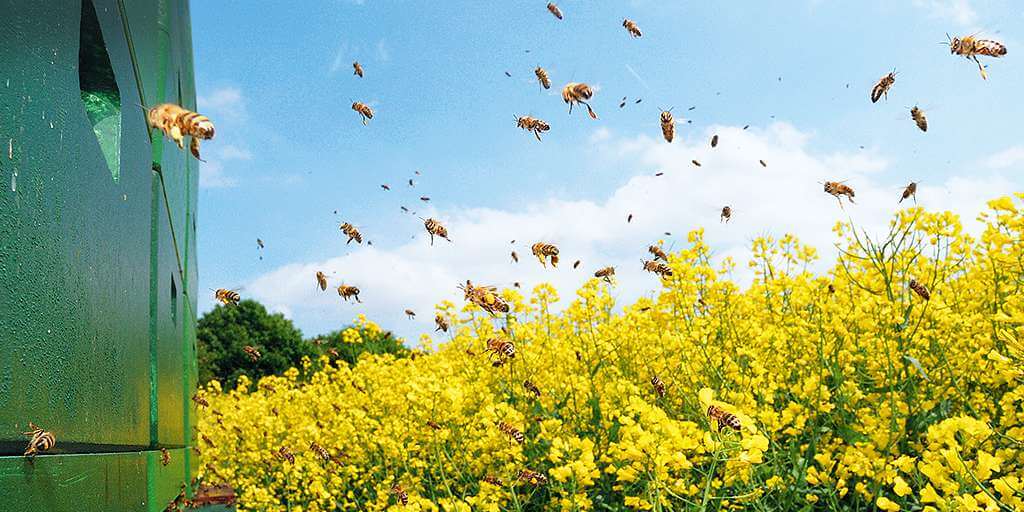
Research shows neonicotinoids have an impact the fertility of bees as well as bees’ weight and their reproductive system, reducing total population numbers, argued Peter Neumann, chair of the Institute of Bee Health in Bern University, and author of a 2015 EASAC report….
While the data prompts to action, the scientist recognised there is a need for caution as well.
“We need to be fully aware of the consequences of a ban – what are the alternatives for farmers of an EU ban? Are they going to be reimbursed for crop loss, or can they be provided alternative molecules that target only pests?” Neuman asked.
He said “we should get over this fear of GMOs”, largely based on a lack of understanding, and invest in research which could provide an answer to pest management.
This month, bags of sliced apples will hit grocery-store shelves in the midwestern United States for the first time. Shoppers who purchase the apples can leave the slices out for snacking, because of a feat of genetic engineering that prevents their flesh from browning when exposed to air.
The ‘Arctic apple’ is one of the first foods to be given a trait intended to please consumers rather than farmers, and it joins a small number of genetically modified organisms (GMOs) to be sold as a whole product, not an ingredient. Since Okanagan Specialty Fruits in Summerland, Canada, planted its first test apples in 2003, the array of foods modified in labs has expanded to include meatless burgers, made with soya protein produced by recombinant yeast, fish fillets grown from seafood stem cells, and mushrooms whose genomes have been edited with CRISPR technology. Most of these items have not yet reached the market.
Now, many small biotechnology companies developing such foods are watching the Arctic apple’s launch, eager for clues to how consumers will perceive the fruits of their labour.
Previously, it had been studied that an epigenetic drug could alter DNA methylation in the brain during drug withdrawal with hopes in halting addiction. Thanks to a recent epigenetic research study, the quitting process could become a little less painful with help from a key epigenetic enzyme.
…
[A new study] found that [histone deacetylase 5] has the ability to hinder the rodent brain from forming connections between environmental cues and cocaine use. HDAC5 is found in high abundance in the neurons of the reward center of the brain called the nucleus accumbens or NAc. The NAc operates on two essential “feel good” neurotransmitters called serotonin and dopamine, which is why this area of the brain responds strongly to alcohol, opioids, cocaine and other drugs. When HDAC5 is present in the nucleus of these neurons, it alters the DNA packaging in the cells and can prevent certain genes from activating.
…
Though this study was conducted on rats, HDAC5 treatment shows promise against human addiction as animals and humans share a similar brain structure and enzymatic pathways. [Researcher Christopher Cowan] hopes that the discoveries made in this study can apply to not only cocaine addiction, but alcohol and opioid dependence as well.
If you’re paying more for local and organic groceries because you care about the environment, here’s some bad news: science shows your efforts won’t have much impact on your carbon emissions.
The good news is that scientists have done the math on dietary changes that can make a difference.
…
“There’s a …[perception] that organic agriculture is a lot more sustainable than conventional agriculture is, so I guess I was kind of predisposed to believe that too until I looked at the data,” said Michael Clark, a PhD student at the University of Minnesota’s department of natural resources science and management.
…
[Clark’s] study found that organic and conventional agriculture “did not differ significantly in their greenhouse gas emissions.”
…
[Seth Wynes, a PhD student in the Department of Geography at the University of British Columbia] found that while buying local can have other benefits, such as supporting local communities and knowing where your food comes from, “in terms of your emissions, it’s just not a big deal.”
…
On the other hand, both Wynes and Clark found that switching to a plant-based diet could make a huge difference.
France will oppose a European Commission proposal to renew authorisation for controversial weedkiller glyphosate for five years instead of 10, saying Wednesday [Nov. 8] the new cutoff should be three years.
“France’s position is three years,” Environment Minister Nicolas Hulot, a celebrity green activist, told French media ahead of a vote by the 28 EU member states in Brussels on Thursday [Nov. 9].
The Commission, the EU’s executive arm, had originally recommended approving the herbicide’s use for another decade from December 15 but experts balked amid growing uproar over its alleged dangers.
France’s Environment Minister Nicolas Hulot
…
“The big change is that we are talking about an end, not simply a renewal,” Hulot told French television BFMTV. “France is in the vanguard on this issue.”
The minister said he sympathised with farmers “who are a bit overwhelmed by all the constraints imposed on them (but) over these three years we will be able to work towards alternatives” to glyphosate.
The current licence for using glyphosate expires on December 15.
[A] new video from Kurzgesagt presents several technologies close to completion that could make a big impact on how we age. The first of these is a way to kill off senescent cells–zombie cells that clog up your body and disrupt normal functioning. These dead cells hang around and cause problems, and up till now, there’s been no way to get rid of them. But a new trial in mice used drugs that were able to kill up to 80% of senescent cells without harming healthy cells.
…
Another way to combat aging is to flood the body with the the coenzyme NAD+, which helps to keep cell function running smoothly. We have fifty percent less NAD+ at age 50 than we do at age 20, and a deficiently of NAD+ is linked to skin cancer, Alzheimer’s, and other diseases. When scientists figured out a way to get NAD+ through the cell walls of mice, the result was healthier mice with more brain, skin, and other stem cells and a slightly longer life span.
…
None of these technologies are going to cure aging once and for all or let us live forever, but it seems likely that some combination of them will have an impact on what it means to age within our own lifetimes–and that’s good news.
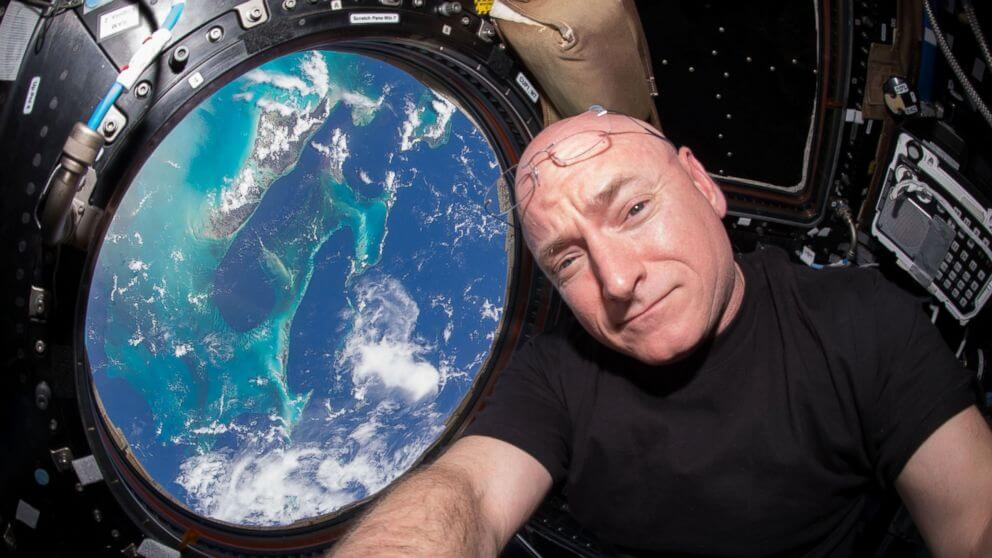
When astronaut Scott Kelly returned to Earth after a year floating about the International Space Station, he was noticeably different from his identical twin, Mark Kelly. For one, Scott temporarily grew two inches taller, but NASA scientists expected this space-induced growth spurt. What they really cared about was how Scott changed on the inside.
The brothers participated in NASA’s Twins Study, which compared Mark’s grounded lifestyle to how long-term spaceflight influenced Scott’s bodily functions. In the study’s latest findings, researchers discovered an increase in Scott’s methylation rate, a process that turns gene activity on and off. The team documented thousands of genes switch on and off as soon as Scott entered space.
…
Researchers plan to use tools such as CRISPR-Cas9 and other genetic engineering methods to prevent methylation from causing detrimental genetic effects. They’re also looking at ways to use these same tools after the fact to repair damaged or disrupted cells, [researcher Chris] Mason added.
“The cool thing about this study is that we’ll soon have exact coordinates for the human genome that are at risk due to space travel,” Mason said. “With our current molecular engineering technologies, we can counteract and even repair genes at these points in a matter of days after they’re discovered.”
A large long-term study on the use of the big-selling weedkiller glyphosate by agricultural workers in the United States has found no firm link between exposure to the pesticide and cancer, scientists said on Thursday [Nov. 9].
Published in the Journal of the National Cancer Institute (JNCI), the study found there was “no association between glyphosate”, the main ingredient in Monsanto’s popular herbicide RoundUp, “and any solid tumors or lymphoid malignancies overall, including non-Hogkin Lymphoma (NHL) and its subtypes.”
It said there was “some evidence of increased risk of acute myeloid leukemia (AML) among the highest exposed group”, but added “this association was not statistically significant” and would require more research to be confirmed.
The findings are likely to impact legal proceedings taking place in the United States against Monsanto, in which more than 180 plaintiffs are claiming exposure to RoundUp gave them cancer – allegations that Monsanto denies.
…
“Glyphosate was not statistically significantly associated with cancer at any site,” the conclusion said.
When a government news agency promotes false information to subvert a government scientific safety decision, it is time to re-evaluate their role and if they should even receive government support. Their November 6 interview is a shameful distortion of facts, evidence, and directly opposes the science-based decision that government regulators made.
As usual, the object in question is glyphosate, the low-toxicity herbicide that has been used for about four decades. It has been recognized for its low toxicity by 100 world governments, most that did their own independent evaluation. It has a reasonable half-life in the environment, low environmental impact, and efficacy against a wide variety of weeds.
But there is a movement afoot to take this safe and useful chemical away from farmers, municipalities and homeowners. It has been a carefully orchestrated misinformation campaign driven from many angles.
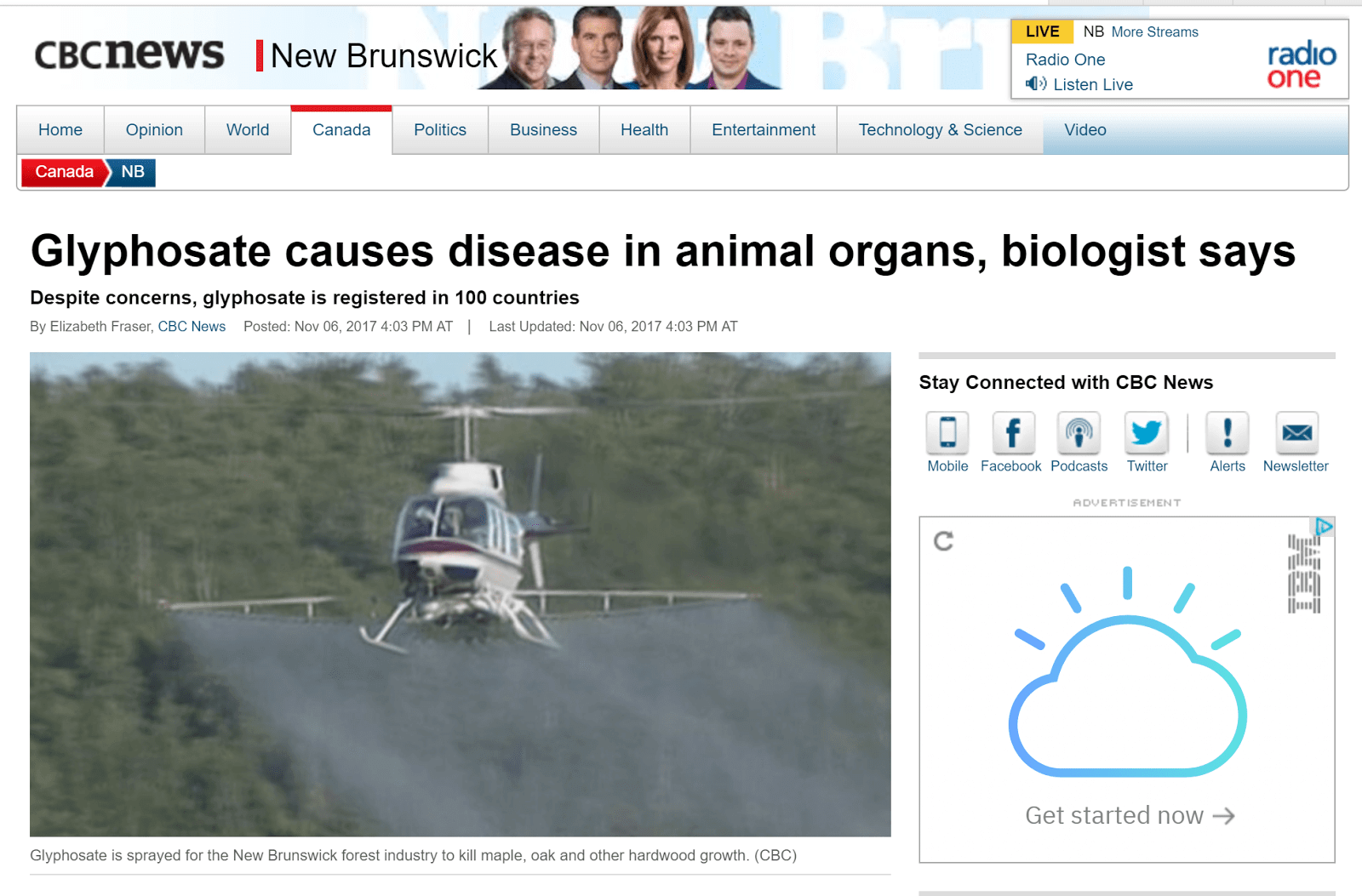
The article on CBC News states clearly that a safe, well-studied herbicide “causes disease in animal organs.” There is no sound, reproducible evidence to support this, especially at concentrations used. The claims are made by Theirry Vrain, a former scientist now exploiting his past credibility to sow doubt and push shameful misinformation.
The opening sentence is just false. “Glyphosate accumulates in all our organs,” says Theirry Vrain. Someone should revoke his scientific credentials. There is no evidence to support this position, he is making up information with the intent to scare. He’s using his position as a former government scientist and doctorate holder to spread false information.
[Editor’s note: Read the GLP’s profile on Theirry Vrain]
It is nothing new. I’ve reported several times about his boring and outdated campaigns that make claims based on his 1980’s understanding of the technology, a cursory understanding of science, and the stuff he just makes up.
Once again, CBC lends their microphone and credibility to a non-substantiated viewpoint by someone that has always had damning information about biotechnology, and someone that has almost always been dead wrong.
Glyphosate does not “accumulate in all organs”. To the contrary, it is water soluble and passes rapidly through the body in stools and urine, with a small amount broken down in the liver by cytochrome p450 enzymes that do that do that sort of thing. Its pharmacology is well established, and kinetics well documented. In fact, recent papers have shown that you can accurately estimate occupational exposure by interpreting urine levels.
On top of that, there is almost zero exposure. It is detected on raw, harvested commodities in low parts per million, that’s tens of thousands of times below physiological thresholds.
He says that there have been no trials in humans, which shows his contempt for the rules that govern tests on human beings. When there is no plausible mechanism of harm, and no reliable evidence from animals, and no evidence of harm in humans from epidemiological assessments, why even go down that road?
Because it is about scare tactics. Period.
Vrain then says that glyphosate causes cancer, kidney disease, liver disease and obesity, all based on rather flimsy studies that were never repeated, and all performed by the usual suspects (the people that always find problems and never follow up with any further study). Nobody else follows their work either.
Because it is not real.
The article says that the herbicide is “registered in 100 countries” and fails to recognize that each country does its own evaluations, and none of them have concluded that this compound is harmful.
The article says that the “water and cancer” agency of the WHO says it is a probable carcinogen. That is a highly disputed conclusion made by the IARC, an agency that made this controversial conclusion after ignoring a tremendous body of data that did not support the conclusion, and basing the conclusion on a few data points, some from well-debunked papers.
[Editor’s note: Read the GLP’s profile of the IARC.]
The CBC gave its power to someone willfully distorting evidence.
The Canadian government does not agree with activists and the IARC and in its independent assessment re-registered the product for continued use. They are funded by the Canadian government.
Now the news outlet funded by the Canadian government purposefully and maliciously claims that the decision by the Canadian government is wrong, and that they by proxy are content with poisoning people.
Canadians should look carefully at this. Someone is lying to you– either the regulatory agencies or the news service that interviews and extols the rants of a known activist that makes empty claims about well-established science.
Talk about fake news.
Kevin Folta is a Professor and Chairman of the Horticultural Sciences Department at the University of Florida. He teaches science communication workshops for scientists and ag professionals, and hosts the weekly podcast Talking Biotech. Follow him on twitter @kevinfolta
This article was originally published on his blog as “Fake News On CBC? Who Funds This Nonsense?” and has been republished here with permission.
The brain that sat in the skull of the Las Vegas shooter [Stephen Paddock] as he planned out his attack, which killed 59 people and injured many more on October 1, was likely damaged when he shot himself in the mouth at the end of the ordeal. Still, it was shipped, at the direction of the Las Vegas coroner’s office, to doctor Hannes Vogel at Stanford for a neuropathological examination shortly thereafter.
…
While there is ongoing controversy when it comes to whether a mental aberrance could explain the shooter’s behavior—of which some may see this as a continuation—there is a longer history of these investigations at play.
…
One abnormality the team may be looking for, according to Karen Weidenheim, a neuropathologist at Montefiore medical center, is a spectrum of neurodegenerative diseases called tauopathies. These diseases are caused by a tangled buildup of plaques made of “tau” protein in the brain. The plaques can cause the fronto-temporal lobe to deteriorate, which can affect the ability to make decisions and sometimes lead to abnormal and occasionally violent behavior.
…
“It’s not that you’re gonna find something that’s gonna solve the whole mystery,” Leestma said. “You’re probably not. You’re likely going to raise more questions than answers.”
The GLP aggregated and excerpted this blog/article to reflect the diversity of news, opinion, and analysis. Read full, original post: Las Vegas Shooting: Will Slicing Open Stephen Paddock’s Brain Explain Why He Gunned Down 59 People?
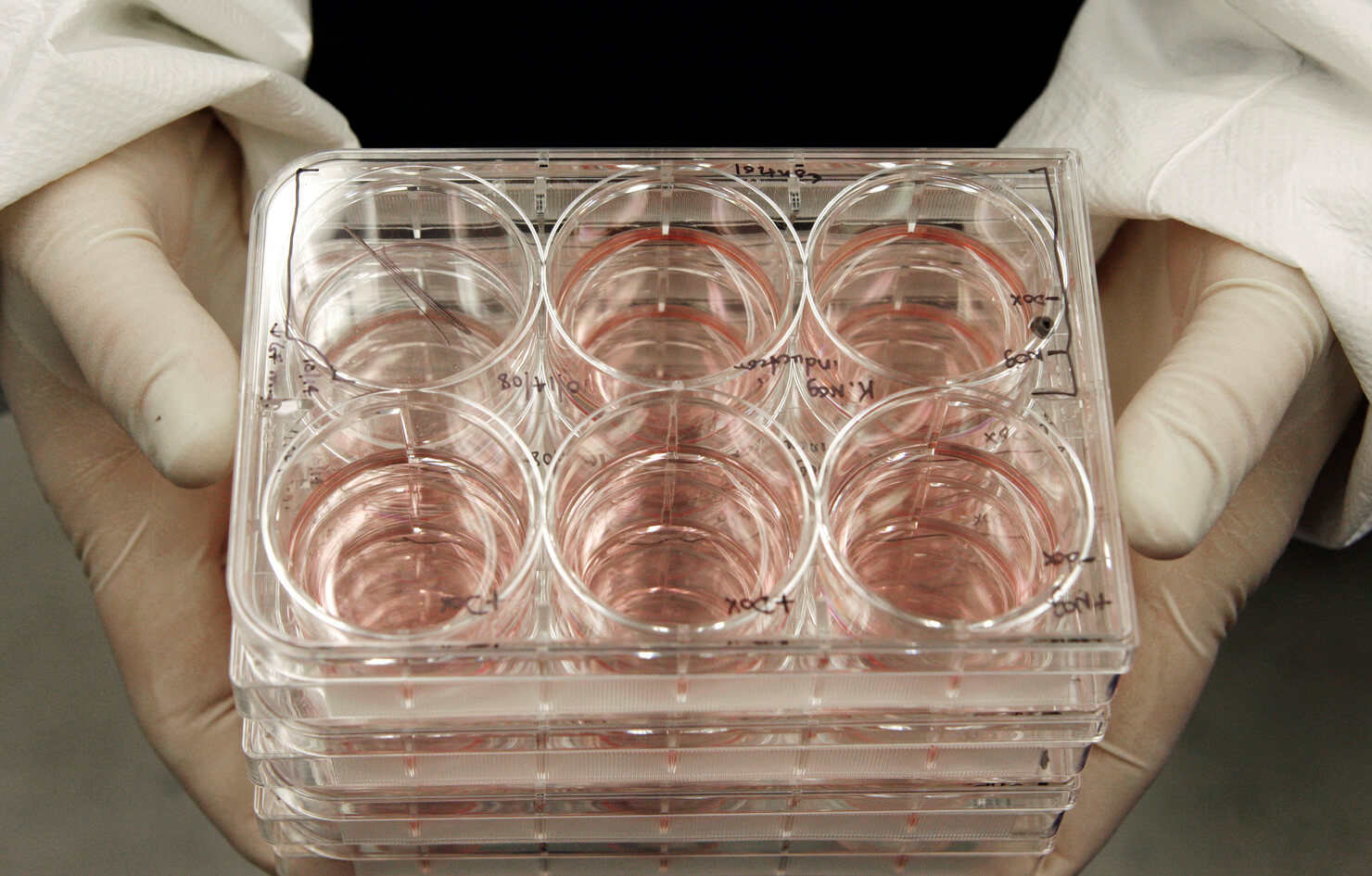
I am not a DIY scientist, much less a professional scientist. You won’t find me swabbing my cheek cells for DNA or tinkering with yeast in a lab on the weekend. But I wondered: Is CRISPR so easy that even amateurs like me can make meaningful contributions to science?
…
I ordered my kit for $130 from the crowd-funding site Indiegogo as part of a campaign created by Bay Area biohacker Josiah Zayner.
…
The goal: modify the E. coli so that it can grow on an antibiotic called streptomycin, which normally kills bacteria. With materials and instructions from the kit, I will introduce CRISPR into the bacteria cells, and use it to rewrite a tiny part of their DNA, creating genetically altered cells that happily thrive on streptomycin.
…
I had no problem conducting the experiment—CRISPR is easy, I concluded. I basically just measured, scraped and stirred a bunch of ingredients, occasionally cooling them or heating them up.
…
Is CRISPR so easy to use that we need to worry about biohackers—either accidentally or intentionally—creating dangerous pathogens? [Professor Dana] Carroll and others think that the danger of putting CRISPR in the hands of the average person is relatively low.




 Organic and conventional growers use many of the same techniques: integrated pest management (IPM); crop rotation; cultivation to prevent weeds rather than turning immediately to herbicides; cover cropping; compost and manure. They both believe they are stewards of the land, and with the best care, they will have even better yields. Neither group runs for the chemical bottle right away to spray crops with pesticides unless it is absolutely necessary. Oh, and both types of farmers have lobbying groups, designed to influence lawmakers toward their favor.
 In reality, understanding the science and rejecting the rhetoric will bring more of us to a place where we can all see the similarities rather than focusing on the differences that a marketing. And maybe, we can even learn to respect each other enough to hear the other side’s story and use what each side has to offer in a way that will benefit and protect our treasures for many years to come.