New error-free DNA sequencing method could diagnose rare diseases

artificial dna

A virtually error-free new method of DNA sequencing could one day be used to diagnose extremely rare cancers and hereditary genetic conditions. The approach – called error-correction code (ECC) sequencing – is based on an existing technology called fluorogenic sequencing that works by splitting DNA into fragments and copying these using a process similar to the polymerase chain reaction.

This method essentially produces three sets of results for each DNA fragment sequenced, which a specially designed algorithm can combine to identify and fix any errors, and deduce the unambiguous sequence. The group were able to adapt a commercially available fluorogenic sequencing machine – which is normally about 98% accurate – to incorporate their method, and found it could generate completely error-free sequences up to 200 base pairs long.

[Computational biologist Keith Robinson] points out the approach may not always give completely error-free results. There are circumstances under which the accuracy could be compromised, for example areas in certain genes which are known to contain sequences where the same two nucleotides are repeated over and over, which could make the signals harder to interpret. Whether the method will be a commercial success depends on how it compares to other, potentially faster, approaches for real-world applications.

[The original study can be found here]

The GLP aggregated and excerpted this blog/article to reflect the diversity of news, opinion, and analysis. Read full, original post: Error-free next-generation DNA sequencing pioneered

US government pushes precision medicine research with Fitbit giveaway

e

In his 2015 State of the Union, President Obama announced the Precision Medicine Initiative — a massive research project designed to gain more insight into how we live with and treat various diseases. Last year, the National Institutes of Health (NIH) changed the initiative’s name to the warmer, fuzzier, All of Us, and opened enrollment in hopes of achieving its goal of gaining anonymous health information from one million Americans.

At the moment, the number of involved citizens is far more modest, but the department is kicking things into high gear by purchasing up to 10,000 Fitbit devices for participants. The company is the first wearable maker to get the green light from the NIH for the project, due in part to its compatibility with the two major mobile operating systems and the fact that its devices last several days on a charge — making them more ideal for on-going fitness and sleep tracking.

The everyday aspect is a key to the study — figuring out the ways in which health is impacted outside of a clinical setting. In its current iteration, the study will run about a year with these devices, and that information will inform how wearables will be used in the program moving forward.

The GLP aggregated and excerpted this blog/article to reflect the diversity of news, opinion, and analysis. Read full, original post: The government is handing out 10,000 Fitbits to research precision medicine

FDA lightens up on ‘outrageous’ direct-to-consumer genetic information ban

la fi andme reports e

Food and Drug Administration (FDA) head Scott Gottlieb is reeling in his agency’s outrageous four-year ban on direct-to-consumer genetic testing.

Under the Obama administration, the FDA sent a letter to the genetic testing company 23andMe warning that the company was “marketing the 23andMe Saliva Collection Kit and Personal Genome Service…without marketing clearance or approval in violation of the Federal Food, Drug and Cosmetic Act.”

The folks at 23andMe had little choice but to knuckle under to the agency’s demands and stop testing new customers.

In April of this year, the FDA finally allowed the company to supply customers with genetic health risk information for 10 different conditions, including late-onset Alzheimer’s disease, Parkinson’s disease, celiac disease, and hereditary thrombophilia (harmful blood clots). Before the ban, the company had been providing its users with some genetic insights with regard to all of those health risks and about 140 others.

Gottlieb’s statement dramatically loosens his bureaucracy’s stranglehold on direct-to-consumer genetic testing. After genetic health risk test manufacturers have passed through a one-time FDA review ensuring that they meet the agency’s requirements for accuracy, reliability, and clinical relevance, any subsequent additional health risk tests will not need to undergo further review.

The GLP aggregated and excerpted this blog/article to reflect the diversity of news, opinion, and analysis. Read full, original post: The FDA Will Finally Let You See Your Genetic Information

Neonicotinoid, chlorpyrifos insecticides impact bird migration, study finds

BIF MPU CI Q clinn FL etsparr FL egofin FL d brinnis x

“Studies on the risks of neonicotinoids have often focused on bees that have been experiencing population declines. However, it is not just bees that are being affected by these insecticides,” said Christy Morrissey, U of S biology professor.

Research led by Margaret Eng, a post-doctoral fellow in Morrissey’s lab, is the first study to show that imidacloprid (neonicotinoid) and chlorpyrifos (organophosphate)—two of the most widely used insecticides worldwide—are directly toxic to seed-eating songbirds. The paper, published in Scientific Reports, shows these chemicals can directly affect songbird migration.

“These chemicals are having a strong impact on songbirds. We are seeing significant weight loss and the birds’ migratory orientation being significantly altered,” said Eng, who also worked with colleagues from York University. “Effects were seen from eating the equivalent of just three to four imidacloprid treated canola seeds or eight chlorpyrifos granules a day for three days.”

Lab experiments showed that the neonicotinoids changed not only the birds’ migratory orientation, but the birds also lost up to 25 percent of their fat stores and body mass, both of which are detrimental to how a bird successfully migrates.

[Editor’s note: Read the full study]

The GLP aggregated and excerpted this article to reflect the diversity of news, opinion and analysis. Read full, original post: Research reveals controversial insecticides are toxic to songbirds

Indian farmers growing unapproved herbicide-resistant GMO soybeans, farmers union says

Screen Shot at PM

For the first time, illegal cultivation of a genetically modified (GM) food crop — GM Soyabean — which is herbicide tolerant (HT), has been reported from Aravalli district in Gujarat [India]. Bhartiya Kisan Sangh (BKS), a national farmers organization, has claimed that Gujarat farmers have been cultivating herbicide tolerant (HT) crop illegally as there is no clearance from the government for any GM food crop yet.

“The HT soyabean was cultivated this year in three villages in the Modasa taluka in Aravalli district in Gujarat. The farmers produced three tonnes of the soyabean. Someone had given the farmers a buy back guarantee at four times the price of the soyabean in the market. This became the talk of the town and BKS came to know about it. We informed the state agriculture department which enquired into the issue and seized the seed material on Diwali day. The test results by government lab were found to be positive for the Roundup (glyphosate -the herbicide) of Monsanto,” said [BKS general secretary Badrinarayan Chaudhadry].

The Maharashtra agriculture minister Pandurang Phundkar and the state agriculture commissioner Sachindra Singh said that the government would set up an enquiry at the earliest on the issue as Maharashtra has a huge area (about 12 lakh hectare) under soybean.

The GLP aggregated and excerpted this blog/article to reflect the diversity of news, opinion, and analysis. Read full, original post: GM soyabean being cultivated illegally in Guj: Farmer group

How glyphosate became the world’s most popular weedkiller

Screen Shot at AM

Since it was introduced in the United States in 1974 by pesticides and seed maker Monsanto as Roundup, the use of the glyphosate—which is sprayed on food crops but also widely outside of agriculture, such as on public lawns and in forestry—has soared across the globe.

The European Commission says it is the most frequently used herbicide in the world and in Europe.

Total worldwide use rose more than 12-fold from about 67 million kilogrammes (148 million pounds) in 1995 to 826 million kilogrammes in 2014, according to research published in the Environmental Sciences Europe journal in February 2016.

There was a dramatic jump after the introduction in 1996 of genetically engineered “Roundup Ready” crops, such as soybean and maize, that survive glyphosate while it kills weeds, it says. Globally glyphosate use has risen almost 15-fold since then.

Monsanto’s patent expired in 2000 and it is now produced by various companies and under different names.

A 2015 study by the World Health Organization’s cancer research agency concluded that the weedkiller was “probably carcinogenic”.

However the European Food Safety Authority and the European Chemicals Agency say it is unlikely to cause cancer in humans. The US Environmental Protection Agency says the product “has low toxicity for humans”.

The GLP aggregated and excerpted this article to reflect the diversity of news, opinion and analysis. Read full, original post: Weedkiller glyphosate, controversial but still most used

Brazil farmers group asks court to cancel Monsanto GMO soybean seed patent

Screen Shot at PM

Soybean growers in Mato Grosso, Brazil’s largest producing state, have asked a court to cancel Monsanto’s Intacta RR2 PRO patent claiming irregularities, including the company’s alleged failure to prove it brings de facto technological innovation.

The Mato Grosso branch of Aprosoja, the association representing the growers that filed the lawsuit at a federal court….

Mato Grosso farmers are leading a push in Brazil to replace genetically modified soybeans with non-GM seeds.

“Aprosoja is not against innovation or paying for intellectual property,” its head Endrigo Dalcin said, but added that farmers should not have to pay for technology that is protected by what it claims to be an invalid patent.

With about 53 percent of Brazil’s soy area planted with Intacta technology in the 2016/17 crop cycle, Monsanto is a dominant force, Aprosoja says, citing data from consultancy Agroconsult.

Some 40 percent of the country’s area is grown with Monsanto’s Roundup Ready seed technology and only 7 percent is non-GM, the data showed.

The GLP aggregated and excerpted this article to reflect the diversity of news, opinion and analysis. Read full, original post: Brazil soy growers ask court to cancel Monsanto’s Intacta patent

Innovation meets precaution: NGO delay tactics hinder gene-editing revolution in Europe

sn Anti GMO Protest

Does today’s fear of potential risks caused by GMO make us unable to carry out necessary actions for a better life, because we get misdirected ending up as cowards? … In these days, human society faces new social, economic and ethical challenges due to the substantial progress made in modern biotechnology. Increasing technical efficacy and decreasing costs revolutionizes the tools that science-driven economies will apply to change the availability of genomes as major biological resource.

Nevertheless, a substantial group of concerned non-governmental organizations and political parties is currently hampering a rapid progress in the EU.

Past experiences with GMO demonstrated that authorized GMO are safe for both human/animal health and the environment since no technique-specific risk has been identified within the comparative approach.6 Hitting the brakes for a complete ban of genome editing calling upon the precautionary principle is not a realistic option, and we need a concerted action on how modern biotechnologies should be applied in both a cautious and innovative way.

Concerned non-governmental organizations are fully responsible for delaying the application of technologies that can be helpful, and I have hope that there is sufficient conscience for courageous solutions and innovative visions that are not poorly driven by fear.

The GLP aggregated and excerpted this article to reflect the diversity of news, opinion and analysis. Read full, original post: New genome editing ante portas: precaution meets innovation

Challenging the RNA origin of life theory

Early earth don dixon

The current consensus holds that life emerged from an ‘RNA-world’, first named by Nobel Laureate Walter Gilbert in 1986. This hypothesis suggests that a system of RNA chemistry formed the evolutionary precursor to the Central Dogma.

Now two recent papers argue for a new hypothesis. Publishing in the journals Molecular Biology and Evolution and Biosystems, Charles Carter, from the University of North Carolina, US, and Peter Wills, from the University of Auckland, New Zealand, seek to challenge the RNA-world idea.

The authors mount a two-pronged attack, first demonstrating that the ‘RNA-world’ cannot explain the development of the Central Dogma.

Secondly, they provide an alternative hypothesis that “the key processes of the Central Dogma of molecular biology emerged simultaneously and naturally from simple origins in a peptide-RNA partnership”, which does away with the need for the RNA-world hypothesis entirely. Their idea relies on their experimental work on an ancient class of peptide enzymes called aminoacyl-tRNA synthetases (aaRSs), which play a pivotal role in the Central Dogma, converting genetic information into proteins.

Taken together the authors claim that their work provides a simpler and more plausible account of how both the genetic coding mechanism of inheritance and the expression of genes as proteins co-evolved to form the basis of life as we know it.

The GLP aggregated and excerpted this blog/article to reflect the diversity of news, opinion, and analysis. Read full, original post: New theory for life on earth


Oldest known human fossils rewrite Homo sapiens history

x

Hundreds of thousands of years ago, around 62 miles west of what would eventually become Marrakesh, a group of people lived in a cave overlooking a lush Moroccan landscape.

That cave is now called Jebel Irhoud, and bones of its former occupants have been recently unearthed by an international team of scientists. They mark the earliest fossilized remains of Homo sapiens ever found. Until now, that honor belonged to two Ethiopian fossils that are 160,000 and 195,000 years old respectively. But the Jebel Irhoud bones, and the stone tools that were uncovered with them, are far older—around 315,000 years old, with a possible range of 280,000 to 350,000 years.

It’s not just when these people died that matters, but where. Their presence in north Africa complicates what was once a tidy picture of humanity arising in the east of the continent.

Based on the earlier age estimates, scientists had always viewed these people as a primitive group of humans who were clinging on in North Africa while their more modern cousins were sweeping out of the East. “People thought that North Africa had nothing to do with modern human evolution, and that this was a relict population,” says [anthrophologist Philipp] Gunz. “Now we know that they’re close to the root of the Homo sapiens lineage.”

The GLP aggregated and excerpted this blog/article to reflect the diversity of news, opinion, and analysis. Read full, original post: Scientists Have Found the Oldest Known Human Fossils

Genetic Literacy Project’s Top 6 Stories for the Week – Nov. 13, 2017

GLP Top Thumbnail Nov


  1. USDA scraps overhaul of GMO and gene edited crop regulations that biotech advocates viewed as ‘unscientific’Paul McDivitt
  2. Gene therapy creates boy’s replacement skin from his stem cellsRicki Lewis
  3. Viewpoint: Taxpayer-funded Canadian news agency promotes ‘fake news’ about glyphosate herbicide’s health risks | Kevin Folta
  4. Organic farmer’s plea for a better relationship between organic, conventional farming | Janna Anderson
  5. Two of a kind? Twins offer unique glimpse into human developmentAnnie Keller
  6. Mars conundrum: How do we explore without contaminating the Red Planet?Alberto Fairén

To stay up to date on all the news in human and agricultural genetics, subscribe to our daily and weekly email newsletters in the top right corner of this page, and follow us on Facebook and Twitter.

Talking Biotech: TALEN gene editing to make more nutritious food crops

Screen Shot at AM

Gene editing has been the center of attention, affecting everything from plants, to mushrooms, to livestock, to human medicine. However, when we discuss gene editing we typically describe the CRISPR Cas9 system. Such tools have grabbed recent limelight. But churning in the background, the other gene editing methods have been making progress for for years, and products are moving rapidly through pipelines toward approval. Such products will soon be available from Calyxt Corporation. Calyxt Chief Science Officer Dan Voytas discusses how TALEN, a custom sequence-specific nuclease, functions in gene editing. He contrasts it with the Cas9 system and then describes the company pipeline, with products soon to be on the market. He also discusses regulation of the products derived from TALEN technology.

Calyxt website and pipeline here.

Visit Kevin Folta’s Talking Biotech

Follow Talking Biotech on Twitter @TalkingBiotech

Follow Kevin Folta on Twitter @kevinfolta | Facebook: Facebook.com/kmfolta/ | Lab website: Arabidopsisthaliana.com | All funding: Kevinfolta.com/transparency

Screen Shot at AMStitcher | iTunes | Player FM | TuneIn

Stalemate continues: EU fails to agree on glyphosate herbicide renewal as deadline looms

Screen Shot at AM e

An EU vote has failed to resolve a controversy over the use of glyphosate, the world’s biggest-selling weedkiller.

The current glyphosate licence runs out in the EU on 15 December. Only half of the 28 member states backed a European Commission proposal to renew the licence for five years.

An EU appeal committee will now try to rule on the issue.

The UK was among the 14 states backing the Commission position on glyphosate. Nine voted against – including France and Italy. Germany was among the five who abstained.

Glyphosate’s toxicity is reckoned to be low, in the concentrations used by farmers, although the UN International Agency for Research on Cancer called it “probably carcinogenic”.

The European Commission says that besides EFSA, the European Chemicals Agency and other scientific bodies found no link to cancer in humans.

The GLP aggregated and excerpted this article to reflect the diversity of news, opinion and analysis. Read full, original post: EU split over use of major weedkiller glyphosate

Can’t get motivated? You may be able to blame your genes

apathy i dont care

Much has been written about apathy. Throughout history, there were many (often derogatory) phrases about apathy -‘Idle hands are the devil’s playground.’ In trying to think of why societies would have framed apathy in this way, it makes rational sense that natural selection would tend to favor those individuals who thrived in a collective, had a high level of energy, and verve in engaging in prosocial activities such as: Hunting, gathering, building, teaching, cleaning, cooking, etc. Those who were perceived as not pulling their weight would tend to rob the community of a clear sense of fairness in terms of duties and roles.

What makes humanity so interesting is that everyone has their own background, skills, perspectives, and personalities — and even given this absolutely enormous complexity, we are able to self-arrange into social groups, communities, societies, and nations. Of course, the flip-side of the human condition is that we tend to notice behaviors, to judge people, and to not always give others the benefit of the doubt that we would like.

With respect to apathy, when we see someone acting in an apathetic way, we may get frustrated and wonder why he or she doesn’t ‘care’ more or isn’t willing to work harder. And alternatively, that individual probably looks outward and wonders why certain people put added stress onto behaviors and decision-making. Even extending so far as to be involved in the presidential campaigning, apathy in the voting booth has been blamed on genetics. For this assumption, speculators looked at voting behaviors of twins and found that genes accounted for about half of voting activity.

In a new twist on behavior that not only challenges what we think about apathy, but turns it on its head, it seems that not only does apathy have structural underpinnings in the brain, but that it actually takes apathetic individuals more physiological energy to initiate a task than non-apathetic individuals.

What does the research show?

Apathy typically is thought of as a lack of initiative, and repressed interest or enthusiasm — commonly-cited hallmarks. Several synonyms and a definition are here. Scientists at the University of Oxford and University College London, UK, conducted research on 37 individuals, among whom 16 were considered as behaviorally-apathetic based on the Lille Apathy Rating Scale (LARS-e), as well as the Depression, Anxiety, Stress Scales and the Snaith-Hamilton Pleasure Scale. As the study participants engaged in the research tasks, they were observed with functional magnetic resonance imaging (fMRI) on the orbital and ventral frontal regions of the brain.

Motor_areas_in_the_frontal_lobe

The fMRI results showed that the more apathetic participants showed increased activity in the supplementary motor area (SMA) and cingulate motor zones (see green and cyan sections in the image to the left). Every cell and structure in our body is designed by our individual genetic codes, and functions as specified by how our genes — individually and in synchronicity — code for activity. These brain regions identified in this particular research are involved in the anticipation of action. There was also a relationship seen between reduced connectivity between the SMA and the anterior cingulate cortex and heightened apathy levels. The premise is that apathetic individuals with this reduced structural connectivity would need greater physiological input to overcome what I call ‘apathetic inertia’ to then initiate an action. The researchers in the study called this ‘effort sensitivity,’ and it was correlated with behavioral apathy.

Why it matters

Some of this research is potentially directly applicable to neurological damage associated with stroke, and also neurodegenerative conditions including Parkinson’s disease and Alzheimer’s, which can present with apathy as a symptom. Interestingly, if we look at a motor disorder such as Parkinson’s disease (which fundamentally involves the dopaminergic system), apathy is a major non-motor symptom of the disease. Destruction in the dopamine-producing cells of the brain leads to movement disorders, including requiring more effort to initiate movement. But dopamine is also associated with motivation and pursuit of goals. The study’s authors noted:

Paradoxically, increased recruitment of neural resources at the response preparation level was also observed in more apathetic people… [in brain regions] known to be involved in anticipation of effort production and action preparation.”

This was done in neurologically-healthy people, and the authors concluded, “Thus, differences in motivation to act in healthy people might be due to differences in the brain’s premotor control network.” Interestingly, a somewhat similar finding came from Shimane University in Japan, where researchers concluded that a single nucleotide polymorphism of a dopamine-producing gene accounted for apathy.

Though this is an incredibly interesting preliminary result, caution is needed to not over-attribute the actions or motivations of people to one factor. There may in fact be an association in the identified brain regions, but the decision and motivation to act has behind it an infinity of motives, and is circumstance-dependent — so the overwhelming effect in differences of motivation observed in people is probably mostly sociological in nature, with a small differentiating factor contributed by biology.

Ben Locwin is a behavioral neuroscientist and astrophysicist with a masters in business, and a researcher on the genetics of human disease. BIO. Follow him on Twitter @BenLocwin.


IARC rejects US House science committee’s request to testify on glyphosate cancer report scandals

Screen Shot at AM

The International Agency for Research on Cancer will not comply with a House science committee’s request related to the agency’s conclusions on glyphosate. Earlier this month, Chairman Lamar Smith called on IARC to testify about allegations that the agency had manipulated its assessment that found glyphosate “probably” causes cancer in humans. The committee asked IARC to submit names by today of officials who could attend a hearing. But officials at IARC in Lyon, France, decided the request did not go through the proper channels.

“We will respond when we receive an official request through the proper channel. There is no decision yet on whether to send or not someone,” Véronique Terrasse, communications officer for IARC, told POLITICO Europe. She added that the information [was] relayed to Smith [Wednesday, Nov. 8], and that a request to summon IARC officials should instead come from the U.S. State Department and be addressed to American representatives sitting on IARC’s governing council.

The GLP aggregated and excerpted this article to reflect the diversity of news, opinion and analysis. Read full, original post: Morning Agriculture: FDA ready to do more on nutrition — IARC stonewalls House committee — Tackling sugar supports — WHO’s antibiotics recommendations (behind paywall)

Alcohol addiction: Can we blame our ancient ancestors?

alcohol and academics pic source medimoon com
[M]illions of years ago, being able to consume alcohol was likely vital to survival: our ancestors evolved to metabolize booze right around the time we grew more likely to encounter it. It is possible that the same reward pathway that might have helped our ancestors forage for food is contributing to our society’s public health problem with alcohol today.

A team of researchers led by biologist Matthew Carrigan from the Foundation for Applied Molecular Evolution found in 2015 that, around 10 million years ago, our primate ancestors gained a mutation in alcohol dehydrogenase (ADH4), an enzyme that changes alcohol into safe compounds that cells can use as food. This mutation, which was absent in more distant primates, allowed for a metabolism of alcohol that was 40 times more efficient.

Our craving for alcohol might have resulted from the fact that our early food sources, like fermented fruits, were more likely to contain alcohol. Since food is one of the natural stimuli for the reward pathway, perhaps the association of alcohol and food drove the evolution.

The complex interaction of genetics and environment (nature vs. nurture) for AUDs emphasizes the need for studying both genetic and environmental factors, not just one or the other.

The GLP aggregated and excerpted this blog/article to reflect the diversity of news, opinion, and analysis. Read full, original post: The ‘drunken monkey’ argument: are we predisposed to alcohol addiction?

‘We are those farmers’: Why you shouldn’t villainize farmers who use GMOs—or the food they grow

img v slide be a c c e d a cd cb s c e

[Editor’s note: Kate Lambert and her husband grow corn and soybeans in Brookfield, Mo.]

We are those farmers they want you to fear. We are the big farmers who use GMOs, chemicals and produce food for grocery stores.

We use GMOs by choice to help us fight drought, erosion, pests and fungus. GMOs leave a smaller footprint and help us be more responsible stewards of our land. We proudly buy and consumes products grown with GMO ingredients because we understand what they are, how they help and the science that has proven them safe for over 20 years.

We are the farmers who use chemicals carefully and in the correct amounts to manage risk and our environment and to provide you a safe, reliable food source. We often rely on modern chemicals that have been developed to be more effective and less toxic than chemicals used decades ago.

But we are also the farmers who use GMOs and other technology to reduce our chemical use as much possible. Not because the chemicals we use aren’t safe, but because they are expensive and require extra trips across the fields.

We are those farmers, but it is not our story. We are not scary, and neither is the food we are raising.

The GLP aggregated and excerpted this article to reflect the diversity of news, opinion and analysis. Read full, original post: We are those big, GMO farmers

NGO opposition to GMO, gene-edited crops not rooted in emotion and dogma, research suggests

Screen Shot at AM

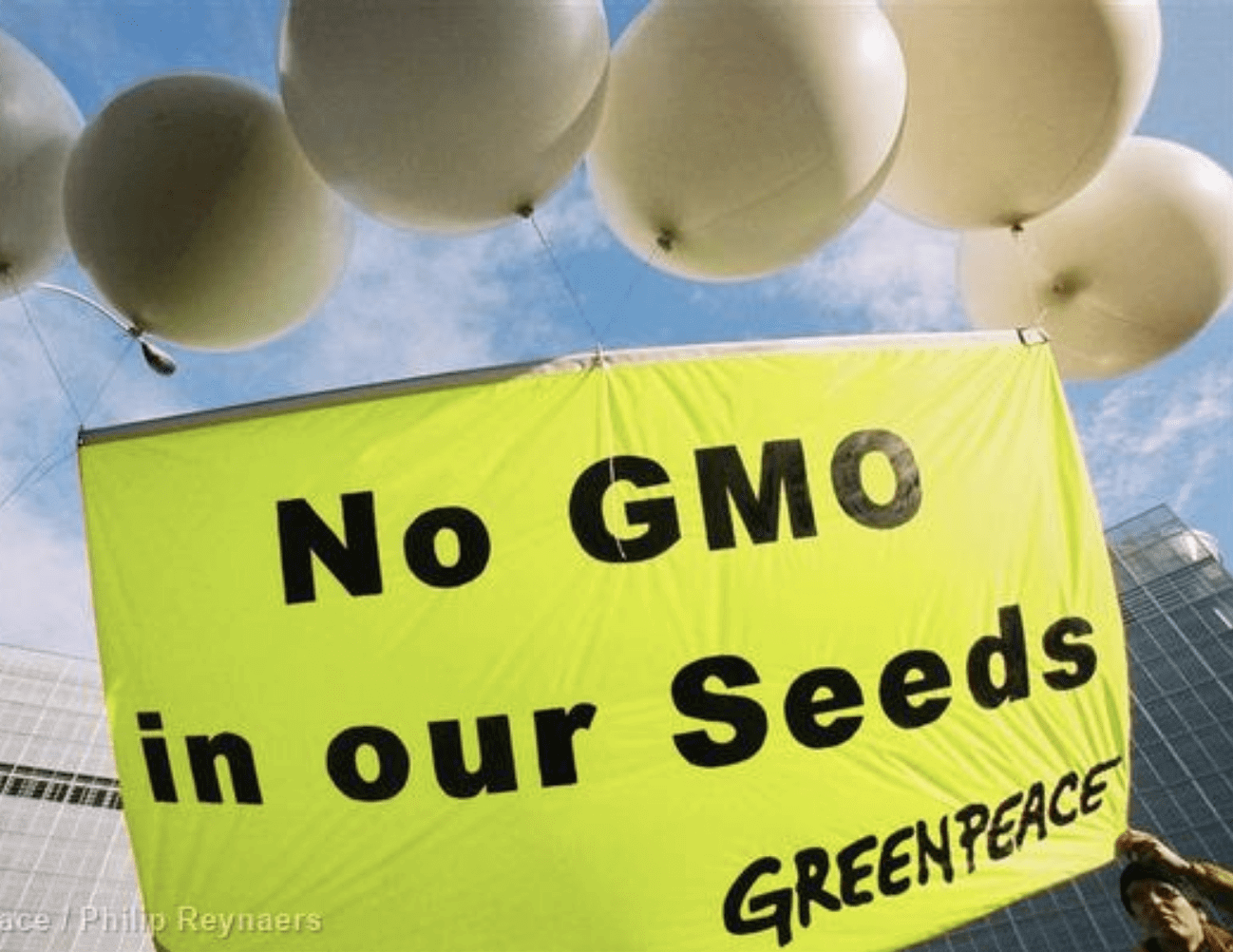
In 2016, 107 Nobel Laureates signed an open letter calling on Greenpeace to desist from campaigning against agricultural biotechnology and for governments to reject and resist such campaigning, arguing that “[o]pposition based on emotion and dogma contradicted by data must be stopped”. The letter marked the latest chapter in a long-running, heated and apparently intractable debate around agricultural biotechnology. Yet, while the arguments by Greenpeace and other non-governmental organisations (NGOs) against agricultural biotechnology are frequently dismissed as based on emotion and dogma, their opposition is often grounded on more general scepticisms concerning the framing of the problem and its solutions, and the motivations of actors to employ biotechnology in agriculture.

Our research suggests that opposition to agricultural biotechnology cannot be dismissed as being solely emotional or dogmatic as the Noble Laureate Letter contends. Instead, NGO participants’ opposition to genome editing is rooted in three areas of scepticism: how the problem is defined as a lack of food rather than a lack of access to food, and the urgency of this crisis which closes down alternative solutions; the solutions, particularly whether further entrenching intensive agriculture through science and technology can address political and socio-economic inequalities; and the motivations for removing genome editing from GM regulations.

The GLP aggregated and excerpted this blog/article to reflect the diversity of news, opinion, and analysis. Read full, original post: Why are NGOs sceptical of genome editing?

Organic farmer’s plea for a better relationship between organic, conventional farming

Janna with big tractor

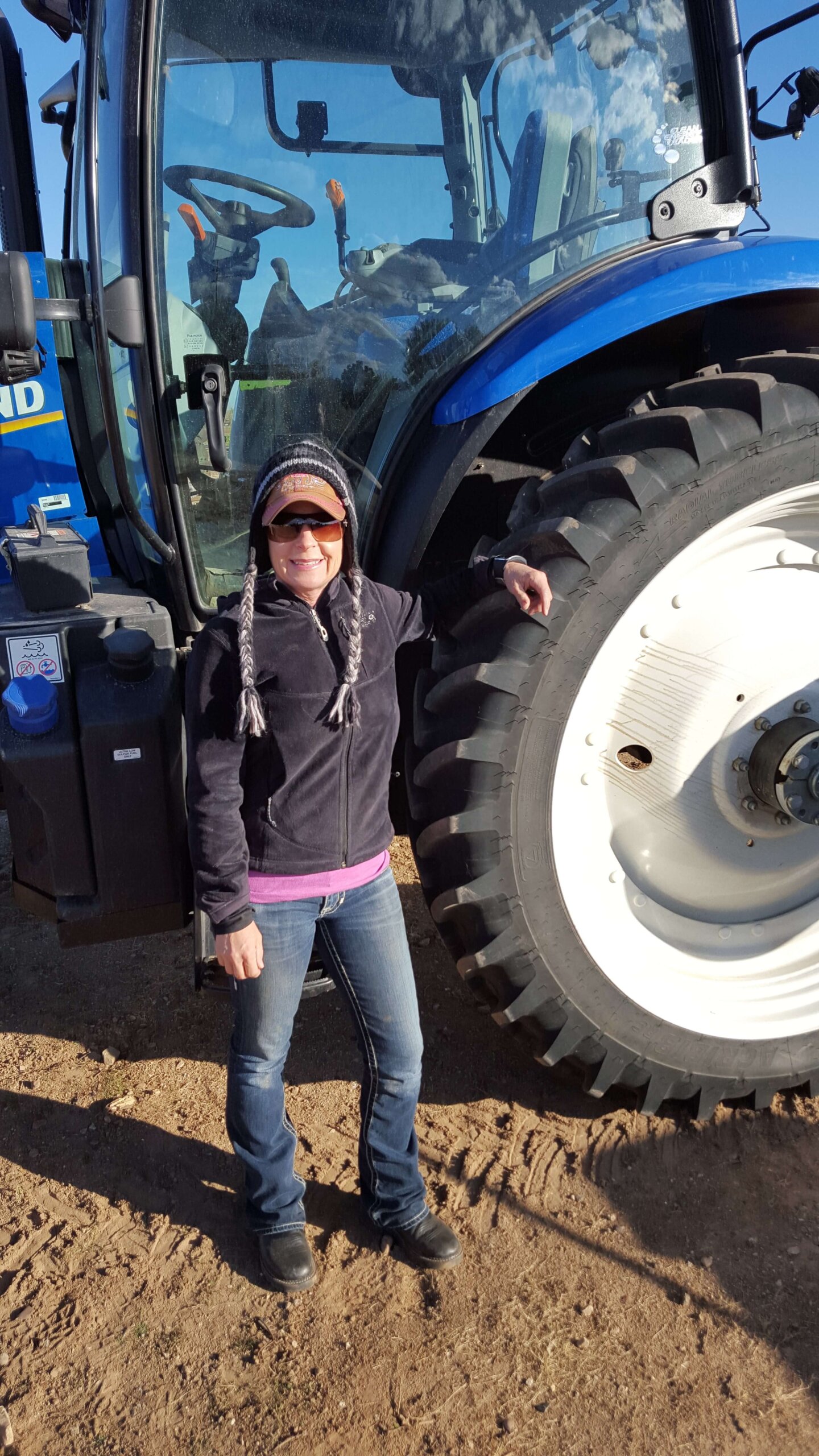
As a small organic farmer, I got a kick out of of an article advertising ‘Farming Camp’ for little ones. We used to go to church camp, soccer camp, scout camps, even fat camps, but farm camps?  Too funny!

Yet the reality is that most children have no idea what a potato plant looks like—even if they grew up in Idaho. In fact, we have all lost our connection to how our food is made and this ignorance can quickly lead to the spread of misinformation if the wrong people start guiding the public towards personal agendas. The end result of this is a public that fears what it shouldn’t. In the last 10 years, this process has been playing in the food industry as activists cry out that our food and farming is tainted and dangerous.

For many years, as a grower, I resisted the organic movement because I believed it to be self-serving and not really representative of what consumers thought it was—mainly the belief it is is safer and pesticide free. As a purist, I believed that organic allowed too much of ‘Big AG’ to dictate what it should be, which watered down the criteria—a criteria set by lawmakers and lobbyists. But that was then. I eventually switched, and after farming organically for 15 years, I have a new respect and more understanding of how conventional agriculture and organic are eerily very similar.
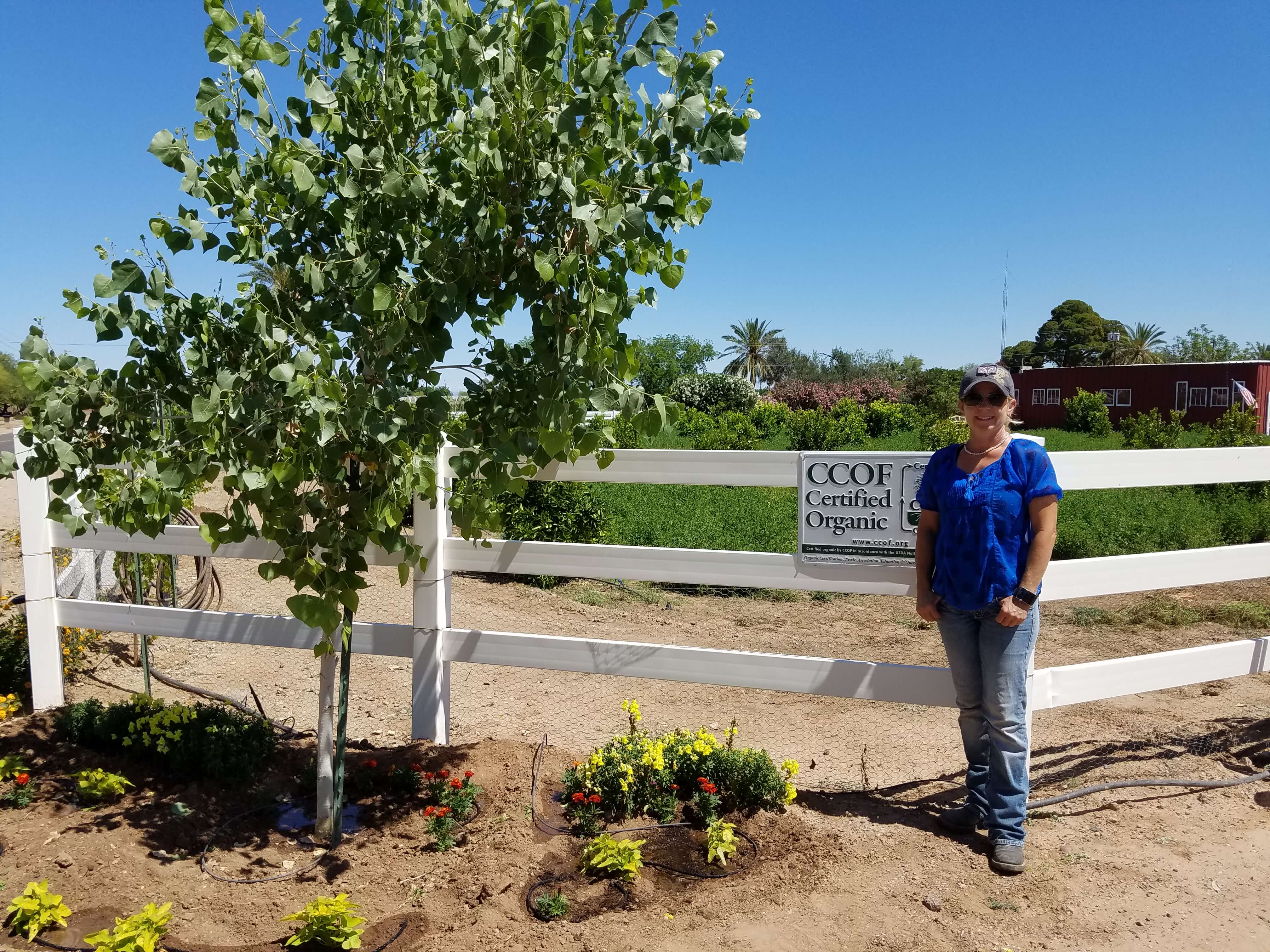
20160417_112045Organic and conventional growers use many of the same techniques: integrated pest management (IPM); crop rotation; cultivation to prevent weeds rather than turning immediately to herbicides; cover cropping; compost and manure. They both believe they are stewards of the land, and with the best care, they will have even better yields. Neither group runs for the chemical bottle right away to spray crops with pesticides unless it is absolutely necessary. Oh, and both types of farmers have lobbying groups, designed to influence lawmakers toward their favor.

Bt is an organic pesticide derived from a natural bacterial toxin that organic farmers often scary on their crops.. It is used in conventional farming too: Bt corn and cotton are GMOs with the gene for that bacterial toxin inserted into the seeds. Humans do not have the receptors for it, so it has no effect on people if consumed, and worm damage on crops is limited in the presence of Bt. It’s very effective and that’s why both types of farmers use it.

Despite Bt’s use by virtually all farmers, many activists would have you believe that the organic way of keeping worms off the corn is much better because it is supposedly more natural. What’s natural?Most commercial organic growers commonly use broad spectrum pyrethrins (an insecticide derived from a flower), which kills everything it touches—ladybugs, praying mantis, even gasp, bumble bees! And yet it is far less effective than many synthetic pesticides, needing to be re-applied more frequently, and it has the potential for air, water and soil contamination. It’s also strangely, very expensive, perhaps because it is certified organic.

Knowing the similarities of conventional and organic farming, my puritan organic side sometimes struggles with supporting the organic ideals, versus the actual science based facts that indicate just because something is natural, that doesn’t mean it is better or safer. Often new synthetic technology can be more targeted, more sustainable and coincidentally, safer than the natural alternatives. Having a clearer understanding of the science, including the differences between how organic producers and conventional producers will solve a problem, brings a different perspective to the organic vs. GMO debate.

Remember, I am an organic grower. I do not use GMOs or synthetic chemicals, but I truly believe that in certain settings it would be a serious benefit to agriculture to be able to consider all our tools when deciding how to do the least harm to our land. Because, all growers, organic or conventional are stewards of the future and know that by treating their land properly, the return would be greater than before.

Lest you think that I am down on organic, I am not.  But the reality is that consumers are being led down a path that is divisive, and that leads people to believe there is only one way. I propose a third way of farming: using our technology and being good stewards of the earth in a way that encompasses the best of all our farming practices without excluding those parts of technology that can reduce pesticide use, increase yields and productivity.
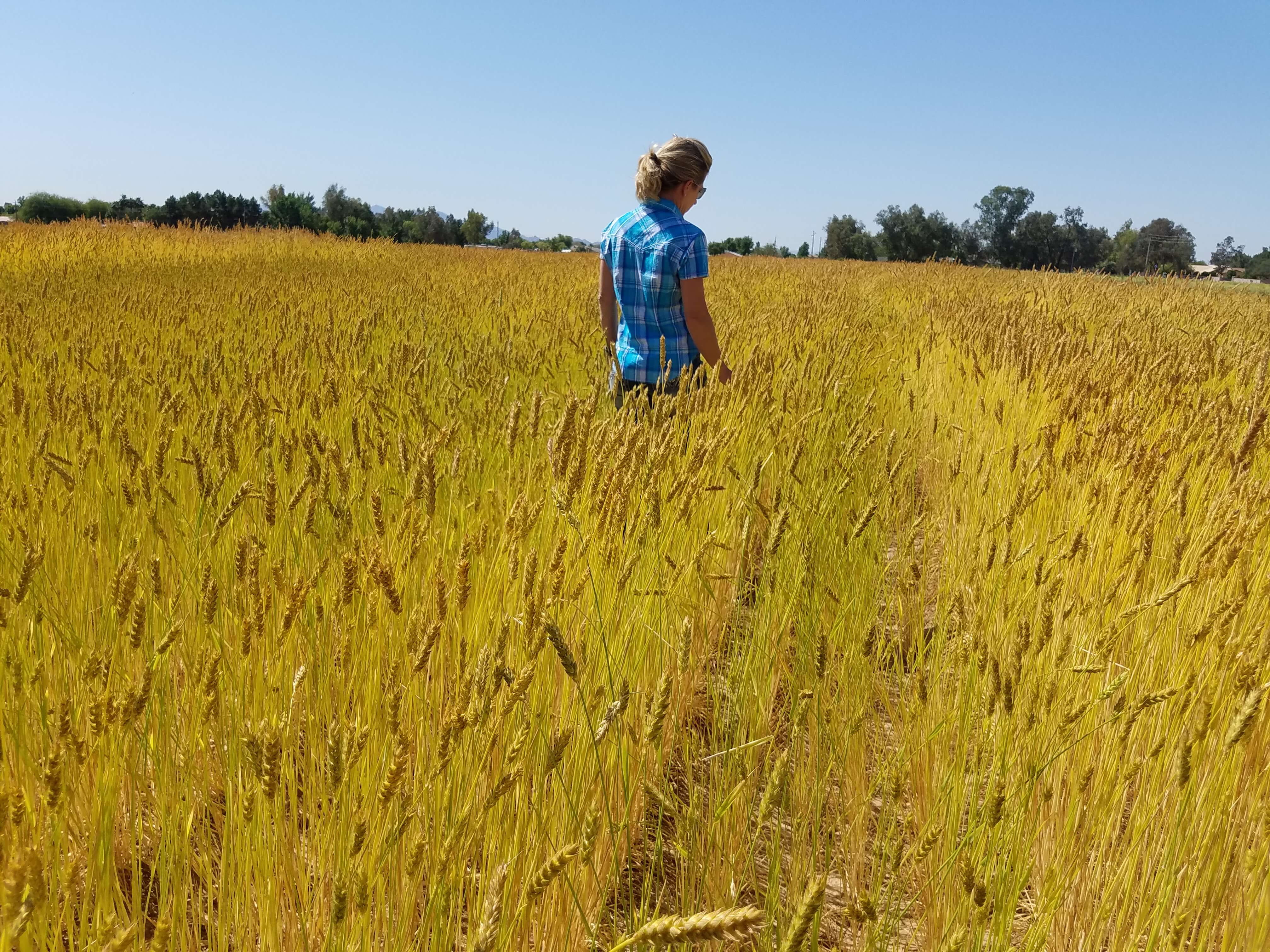
Janna in Wheat 5.1.16In reality, understanding the science and rejecting the rhetoric will bring more of us to a place where we can all see the similarities rather than focusing on the differences that a marketing. And maybe, we can even learn to respect each other enough to hear the other side’s story and use what each side has to offer in a way that will benefit and protect our treasures for many years to come.

So get those kids out there digging in the dirt at the farm camps, and let’s see if we can create a future that does the least harm while growing the best food in the world. Knowledge is power, and with it, we can all work together for the common goal instead of being pawns for a self justifying industry.

Janna Anderson is the owner of Pinnacle Farms, a certified organic orchard and vegetable operation on 25 acres in Phoenix, Arizona and 22 acres sustainably managed.  She also grows seed for heritage grains, beans, corn and onions for their unique desert adaptability. Follow her on Facebook at Phoenix Pinnacle Farms and on Twitter at @pinnaclefarmsaz.