[P]eople who have genetic tests run the risk of being denied some insurance if the test turns out positive. Such tests, carried out as part of medical diagnosis, or even disinterestedly as part of a research project, can determine whether an individual is susceptible to a debilitating or life-threatening condition.
…
Unlike medical insurance, companies offering life or travel insurance can refuse to insure or can raise premiums if someone is known through genetic testing to be susceptible to a particular condition. And there is no hiding the bad news away: knowingly doing so will void a policy. This creates a paradox for the individual. Even if a test has been conducted, and knowledge exists about an individual’s health, it is best in a financial sense for the individual not to have that knowledge.
Needless to say, researchers fear people will be increasingly wary of putting themselves forward for genetic testing if finding out the results means their financial security is threatened or undermined this way.
…
Existing, diagnosed conditions, and habits such as smoking, will obviously affect the health prospects and longevity of individuals. But a clear distinction can be made, and should be made, between those facts and choices about health and the potential contained in an individual’s genes.
The bacteriumStaphylococcus aureus (S. aureus) has many faces. Many of us happily live our whole lives with S. aureus present on our skin or in our noses and experience no problems at all. But if the bacteria get further into the body they can cause health problems. These range from mild skin infections causing redness and blisters to life-threatening infections of the heart and lungs. In 2012, S. aureus was associated with 292 deaths in the UK.
Methicillin-resistant S. aureus (MRSA) is a type of S. aureus that causes problems because it is resistant to the antibiotics that are normally used to treat these infections. This makes it much more difficult to get rid of so it is often referred to as a “superbug”. MRSA infections spread quickly in contained spaces, especially in nursing homes and hospitals where people often have weaker immune systems, enabling the infection to thrive. In hospitals MRSA can more easily enter the bodies of patients, thanks to cuts, wounds, and medical procedures. It is then harder to treat because of its resistance to antibiotics. However, increased awareness of MRSA has enabled healthcare professionals to manage it more effectively.
The Wellcome Trust Sanger Institute took DNA samples of S. aureus from around the world and used DNA sequencing to examine its transmission. It was one of the first times a study like this had been done, and the results, which were published in the journal Science in 2010, demonstrated the potential use of DNA sequencing to help reduce transmission and contain outbreaks of MRSA.
Isolating bacterial culprits
When scientists sequence bacteria they tend to sequence ‘isolates’. A swab is used to take a sample from a patient carrying the bacteria of interest. The bacteria from the swab are then grown on a plate in the laboratory. The bacteria will grow in different clumps on the plate, known as colonies. One of the colonies of the bacteria is selected and this is the ‘isolate’ from which DNA can be extracted and sent off for sequencing. Selecting isolates helps to ensure that only one type of bacteria is sequenced.
Colonies of S. aureus bacteria growing on a plate. Each white dot is a single colony. Image credit: Pablo Rojas via Wellcome Images
Identifying different types of bacteria
For a long time, scientists used a method called ‘typing’ to trace the source of outbreaks of bacterial infection. The aim of typing is to find out whether two or more bacterial strains are related to each other and originate from the same source population (are of the same type). One of the most common techniques for doing this is called Multilocus Sequence Typing, or MLST for short. MLST involves sequencing around eight genes? in the genome of the bacterium. The sequence of these genes is then used to define the type of bacteria that is present in the sample. If the gene sequences are identical in two or more bacterial strains it means that they are of the same type.
More sequence – more information
Although MLST has been incredibly useful, we now have whole genome sequencing. This means that we can determine the DNA sequence of the entire genome of an organism like S. aureus in one go, all 2,600 genes. Whole genome sequencing can therefore reveal a lot more about different isolates than MLST that only analyses eight genes. This increased level of detail enables scientists to see the similarities and differences between individual S. aureus isolates.
Scientists at the Wellcome Trust Sanger Institute studied the relationships between S. aureus isolates from around the world using whole genome sequencing. Previously these isolates could only be separated into 10 seemingly identical groups based on their MLST profiles. With whole genome sequencing, each individual isolate could be distinguished from the others based on their genetic differences. By analysing the differences and similarities between the isolate’s genomes, the scientists could also see how and where the different isolates evolved.
The scientists found that MRSA had been transmitted from Europe to South America and then back into Europe via Portugal. When they looked more closely at the data, they found an outbreak of MRSA in a UK hospital and a single case in Denmark that appeared to be closely related to MRSA isolates found in Thailand. After further investigation, the scientists identified that the isolate found in Denmark was in fact from a Thai person who had recently travelled from Thailand. This demonstrated that sequencing could accurately identify the source of an individual infection and how whole genome sequencing had the potential to be used in a clinical setting. The research also suggested that by using whole genome sequencing, scientists could find the source of a hospital outbreak and therefore stop it at its source before it becomes widespread. The scientists therefore set out to demonstrate this clinical application by looking at an outbreak of MRSA at The Rosie Hospital, part of the Cambridge University Hospitals Trust in the UK.
The special care baby unit outbreak
The Rosie Hospital is home to a special care baby unit (SCBU), which cares for babies that have been born early or with a low birthweight, as well as babies that are recovering from a difficult delivery, infection or surgery. These babies are very vulnerable to infection, therefore swabs are taken on admission and then every two weeks to monitor if they come into contact with any bacteria that could cause infections.
A special care baby unit. Image credit: N. Durrell McKenna via Wellcome Images
In 2011, three babies on the SCBU at the Rosie Hospital tested positive for MRSA. Although none of these babies were unwell as a result of the presence of MRSA, this prompted an investigation by infection control. The MRSA from each baby was tested against different antibiotics to determine their antibiotic resistance profiles. This type of test is called an ‘antibiogram’. If samples of MRSA are resistant to the same antibiotics then they have the same antibiotic resistance profiles and are therefore more likely to be the same strain of bacteria. In this case, two of the MRSA samples had the same resistance profile and one of them differed by resistance to one antibiotic. The hospital then decided that the bacteria were probably linked so carried out a deep-clean of the ward and investigated all MRSA-positive swabs from the previous six months.
During this period a total of 14 cases of MRSA were identified. Nine of the cases had the same, or similar, resistance profiles to the original outbreak, and five cases had different profiles and were considered unrelated.
The 12 related MRSA cases appeared in three clusters separated by 17 days and 33 days. Normally with transmission on a hospital ward, bacterial infection is passed directly from one person to the next with no noticeable gap, so these gaps of several weeks made it difficult to know if this was a single outbreak or several separate outbreaks.
At this point, scientists from the Wellcome Trust Sanger Institute used DNA sequencing to explore the outbreak in more detail. By comparing the genomes of each of the isolates they found that two of the five cases considered unrelated on the basis of their antibiograms alone were in fact related. They were also able to confirm that the three MRSA clusters were not separate but linked together and a single, ongoing outbreak. The question was why were there gaps of many days between them? Was the outbreak being repeatedly brought into the hospital from outside or was it originating from another ward in the hospital?
An illustration showing a timeline of the 14 genetically-related MRSA cases in the SCBU. (Data source: Harris et al. 2013; doi: 10.1016/S1473-3099(12)70268-2). Image credit: Genome Research Limited
Hunting for the source of the outbreak
To find out where the cases of MRSA originated, the scientists gathered MRSA samples from other wards in the hospital, as well as GP practices and clinics in the Cambridge area where patients had presented with symptoms of MRSA infection. They then performed antibiograms on the samples to find the ones that had similar antibiotic resistance profiles to the ones identified in the SCBU. Those samples with the same antibiogram then had their DNA sequenced.
When the DNA sequences of these isolates were studied a number of them were found to be closely related to the cases of MRSA on the SCBU. Two matching MRSA samples from GP practices were from babies who had been on the SCBU ward at the same time as some of the other babies, but hadn’t tested positive while they were on the ward. Not every swab will pick up infection each time so cases can sometimes be missed. There were also some women who went to their GP with abscesses (a symptom of Staphylococcal infection) who were the mothers of babies who were on the SCBU. One man in the community turned out to be the partner of one of these women.
The study found that there was no evidence that the outbreak had come from the community or other wards because all cases could be linked back to the SCBU.
Another case of MRSA was identified on the SCBU nine weeks later. It was presumed that this was a completely new outbreak of MRSA but when the DNA was analysed it showed it to be closely related to the previous cases of MRSA on the SCBU. This suggested that the MRSA was probably being transmitted by someone working on the SCBU but they would need evidence to confirm this.
An illustration showing a timeline of the 15 genetically related MRSA cases in the SCBU. (Data source: Harris et al. 2013; doi: 10.1016/S1473-3099(12)70268-2). Image credit: Genome Research Limited
Nipping it in the bud
Over 100 people who had worked on the SCBU were asked to provide a bacterial swab for DNA analysis. It is common for S. aureus and MRSA to be carried by people without any ill-effects so healthcare workers may sometimes unwittingly carry the bacteria. Out of all of the samples taken from SCBU staff, one tested positive for MRSA. When DNA from that isolate was sequenced it confirmed a link to the MRSA cases in the SCBU, suggesting the healthcare worker was the source of the most recent case on the ward.
Everyone on the ward received a series of medicated body washes, including the healthcare worker, to remove the MRSA. After three negative screens the healthcare worker was free from MRSA and could return to work. Finally, the outbreak was contained and eliminated.
But where did the healthcare worker pick up the MRSA? The most likely scenario is that one of the babies or one of the families was the original source of the MRSA infection and the healthcare worker was simply a carrier passing it between babies and families on the SCBU.
An illustration showing a timeline of the 15 genetically related MRSA cases in the SCBU and the healthcare worker that carried the infection. (Data source: Harris et al. 2013; doi: 10.1016/S1473-3099(12)70268-2). Image credit: Genome Research Limited
The MRSA clone involved in this case was investigated further and was found to be ST22, a strain of Staphylococcus aureus commonly found in UK hospitals. There are two main types of MRSA ST22 – one associated with hospitals, because it is resistant to particular antibiotics, and one associated with communities and not restricted to hospital environments. When the scientists looked in more detail at the isolates of ST22 found in the SCBU they were found to be more closely related to the community-associated type and similar to some found in South Asia, particularly India. It is only through DNA sequencing that they were able to find this out!
What next?
This was a landmark study, demonstrating how DNA sequencing could be used in a hospital setting, and showing how sequencing of bacterial genomes can be carried out on a large scale.
Initially this study was designed to show how DNA sequencing could provide information about a historical outbreak of MRSA in a hospital. However, DNA sequencing assisted in identifying that the outbreak was ongoing and enabled the rapid identification of its origins. This enabled the efficient management and containment of the outbreak. This shows how DNA sequencing can help clinicians to prevent the spread of MRSA and limit the number of serious infections. In serious cases, some S. aureus infections can be fatal, others can require surgery to remove abscesses, but DNA sequencing could provide the insight to reduce the overall clinical burden of infectious diseases such as S. aureus.
As a consequence of this study and other research over many years, Cambridge University Hospitals Trust now routinely sequence the genomes of every case of S. aureus onsite to help keep one step ahead of any potential outbreaks. This could enable scientists to identify the genetic changes that cause resistance to antibiotics and use this information to inform doctors about which antibiotics to prescribe to their patients. This technique isn’t limited to S. aureus and is also being used to tackle many other pathogens including tuberculosis and gonorrhoea.
Antibiotic resistance is frequently featured in the news as a growing global problem. Gonorrhoea for example is becoming almost untreatable due to antibiotic resistance. Gaining a better understanding of these bacteria with genomics and DNA sequencing is providing invaluable information to help advance research at a faster rate.
A version of this article was originally published on Your Genome’s website as “Tracking ‘superbugs’” and has been republished here with permission from the author.
In the aftermath of the European Parliament’s 355-204 vote opposing the renewal of the popular herbicide glyphosate in 2018 for households and after 2022 for agriculture, farmers, policymakers and activists have begun the search for viable alternatives to the agricultural chemical. And they aren’t finding much.
Although the vote is not a direct ban (instead, it showed no MEP support for a renewal), it was cast in opposition to the European Commission’s proposal to extend glyphosate’s license for 10 years, and provided political gravitas to Green party and other anti-pesticide members of both the European and member nation parliaments, who have advocated against the chemical’s use for years. In the US, glyphosate is popular because it is used with genetically modified crops (“Roundup-ready”) that can grow despite applications of the herbicide. In Europe, where such GMO crops have never been approved, opposing groups have tried to link glyphosate to health issues instead of directly agricultural ones.
Most of the health claims have arisen from a monograph from the International Agency for Research on Cancer (IARC), the World Health Organization’s cancer research arm, which stated that glyphosate could “probably” cause cancer. As has been written before, IARC’s methodology of evaluating hazards and not risks, its selective inclusion of scientific papers, and – most recently – allegations of result cherry picking and conflicts among its lead consultants and researchers all have increased skepticism of IARC’s conclusion. However, among environmental groups and certain MEPs, health concerns prevail.
And other concerns have moved from the dubious to the downright bizarre. Alison Van Eenennaam, a livestock geneticist at UC Davis, observed that these claims now include:
Decreasing dopamine and serotonin leading to tiredness and anger; shutting down the cytochrome P450 detox pathway, leading to the accumulation of “toxins;” glyphosate crossing the blood-brain barrier for some reason; and especially in conjunction with lead and mercury, that glyphosate is an endocrine disrupting chemical which is more dangerous at lower doses than at higher doses. They also claimed that it kills beneficial bacteria, but not the bad nasty bacteria, and this supposedly leads to a long list of disorders, including poor sex drive and infertility. They went on to claim that it stops mitochondria from making energy and this creates brain fog and is linked to birth defects and destruction of endocrine systems, and also non-alcoholic fatty acid disease. Then there was the assertion that the extracellular matrix which communicates information body-wide gets “crushed” by glyphosate, and finally that glyphosate is a highly toxic and long-lasting organophosphate.
Organophosphate, of course, is a completely different – and non-transformable—chemical.
Nonetheless, according to the MEPs voting against glyphosate, there exist “biological alternatives (i.e. “integrated pest management systems”) (that) work well for weed control.”
Ask farmers and scientists, however, and you’ll hear a different story.
For years now, European farmers have been using IPM, in addition to having glyphosate around. Under European Commission Directive 2009/128/EC, member states were since 2012 required to promote IPM techniques, which include prohibitions on aerial spraying, limitations on pesticide use “in sensitive areas,” inspection of application equipment, and training.
Some groups, like the Natural History Museum of Cleveland, reviewed other IPM chemicals for their herbicidal properties and found shortcomings among all of them:
Acetic acid—aka vinegar, will burn the leaves of weeds. It will also burn the leaves of crop plants.
Fatty acids—usually part of pesticide soaps, these chemicals also will burn the leaves of weeds (and crop plants), and don’t last very long, opening the window to weed re-infestation.
Essential oils–clove, peppermint, pine, and citronella also act to burn plant leaves, and many do not work well because they evaporate or are chemically inactivated before they contact a plant.
Corn gluten—can prevent fledgling weeds from arising, but only works on a small (think garden) plot and doesn’t work at all against established, mature weeds.
Meanwhile, the President of the French Grain Producers’ Organization wrote Vytenis Andriukaitis, European Commissioner responsible for glyphosate issues, in October, claiming that:
I will suffer significant damage, including a significant increase in my production costs (use of larger amounts with other herbicides and increase in the frequency of herbicide treatments), dirtying of my plots with many weed species, including perennials. My working methods should evolve with a return to plowing, the removal of new simplified farming techniques, based on plant cover. I could not practice agroecology anymore.
Other commercial herbicides exist to replace glyphosate, of course. But, like Syngenta’s Reglone and Bayer’s Basta S, they are much more expensive than glyphosate. Also, Reglone is a crop desiccant, quickly burning leaves upon contact, while glyphosate is a more systemic herbicide. Basta S does not translocate between plants and requires 100 spray coverage to be effective, while glyphosate does not require these applications.
Another pesticide, atrazine, is available and popular in the United States but has been banned by the European Union for at least 10 years. The EU banned its use not because of health issues, but because of its persistence in aqueous environments. In the US, groups like the Natural Resources Defense Council claimed that it is an endocrine disruptor, and linked it to cancer, developmental issues and other medical problems.
Many European farmers will continue to use combinations of several agricultural chemicals and IPM methods to control weeds. “Where glyphosate is commonly used in the EU is in no-till conservation agriculture and complex multiple cover cropping,” said David Zaruk, risk communications specialist, EU politics observer and author of the “Risk Monger” blog. “Alternatives are not clear or have harsher effects on the soil.”
Urban gardeners will also be forced to settle for less effective alternatives. As the University of Florida Extension pointed out, because organic (and even conventional) chemical alternatives don’t share glyphosate’s systemic properties, they will only work on contact and won’t be as effective on larger weeds. Hence, more applications, more money, more environmental impact.
Andrew Porterfield is a writer and editor, and has worked with numerous academic institutions, companies and non-profits in the life sciences. BIO. Follow him on Twitter @AMPorterfield.
The need for new classes of antibiotics has repeatedly been emphasised, with researchers turning to some of the most extreme environments on Earth in the hunt for new molecules. But finding broad-spectrum antibiotics that work against all classes of bacteria is challenging – and even if we discover new narrow-spectrum ones that work against particular strains, the likelihood of them becoming clinically available is slim.
…
[I]instead of searching for new compounds, many scientists are pinning their hopes on “superantibiotics”, essentially re-engineering existing drugs to overcome microbial resistance and make them thousands of times more potent. One of the problems with many antibiotics is that they need to get inside the bacteria cell to bind to it and kill it. And it only takes a single genetic mutation for a bacteria strain to render the antibiotic useless. So scientists have been exploring ways of changing the inherent killing mechanism and making it more lethal.
…
The result of their work, published earlier this year, is vancomycin 3.0, a drug that is 25,000 times more potent than before against previously resistant bacteria. The challenge is now to transform this elaborate molecule into something that can be made cheaply and on a vast scale.
When I started out writing about food and the environment 15 years ago, I assumed that big, industrial farms were the problem and that the answer was to pay more for artisanal production. … As Breakthrough Institute Director Ted Nordhaus explained to some three dozen people crowded into a San Francisco restaurant, recent studies suggest that conventional wisdom has it mostly backward: Industrial farms tend to have a smaller environmental footprint than organic ones.
…
Food is flavored by its story, and for the last decade, we’ve been hearing a story about how intensively farmed food is inferior in every way. Breakthrough is trying to rewrite that narrative. Environmentally, they’ve got a point: Big ag often produces less pollution than the locally sourced, artisanal fare I’d fetishized for more than a decade. But I’m skeptical that industrial farming will ever become the darling of fine dining.
A possible glyphosate ban entails the risk of trade disruption to food imports from third countries, in case the EU fails to follow scientific evidence in its decision-making, EU farmers warn.
…
In a recent interview with EURACTIV.com, the head of Britain’s National Farmers’ Union Meurig Raymond wondered what would happen if glyphosate is used in the UK and banned in Europe. “Will we be allowed to export our wheat in the EU?”
This is a question for the rest of the world as well.
…
Under [a World Trade Organisation (WTO)] agenda item on monitoring the use of international standards, Argentina and the United States expressed their concerns about the EU delay, which were echoed by Australia, Brazil, Canada, Colombia, New Zealand, Peru and Uruguay.
“The US said members’ actions to restrict the use of glyphosate appear to lack scientific justification. It reminded members that the scientific body assessing risks that international standards rely on – the Joint FAO/WHO Meeting on Pesticide Residues (JMPR) – concluded that glyphosate does not pose a risk to consumers or public health when used appropriately.”
In a study published in Nature Communications, researchers from Nanjing University in China have identified an enzyme that promotes lung cancer progression. These findings indicate that epigenetic modulation plays a crucial role in lung cancer, implying a new therapeutic target for treatment.
Histone modification is known to be involved in cell growth. In this study, researchers investigated the role of NatD, an enzyme that mediates the N-alpha-terminal acetylation (Nt-acetylation) of histone H4, in lung cancer. They found that NatD is commonly upregulated in primary human lung cancer tissues where its expression level correlates with enhanced invasiveness and poor clinical outcomes. Further investigation showed that NatD promotes the invasion of healthy tissue by regulating the epithelial-mesenchymal transition (EMT) of cancer cells through epigenetic control of a transcription factor called Slug.
…
“Revealing this new epigenetic pathway (NatD/Slug/EMT) is important to better understand the individual steps of metastasis formation and may help predict at an early stage whether the tumor will spread.” [said professor Quan Zhao]. In the future Zhao and his colleagues want to further investigate the role of NatD more closely in the process of invasion-metastasis of lung cancer and other tumors.
The GLP aggregated and excerpted this blog/article to reflect the diversity of news, opinion, and analysis. Read full, original post:The Pathway of Lung Cancer Progression
[Editor’s note: Hank Greely is a professor of law and genetics at Stanford University.]
Controversy has raged about editing human genes, particularly the DNA of embryos that could pass the changes down to their descendants. This technology, human germline editing, seems highly unlikely to be broadly available for at least the next few decades; if and when it is, it may well be unimportant.
…
For the next few decades, human germline editing offers almost no substantial benefits, for health or for enhancement. Prospective parents already have a tried and true alternative to avoid having children with genetic diseases: preimplantation genetic diagnosis (PGD). In PGD, clinicians remove cells from three- to five-day-old embryos. Those cells are then tested to see which embryos would inherit the disease and which would not.
…
People are also concerned about germline editing for genetic enhancement. But this is also unlikely anytime soon. We know basically nothing about genetic variations that enhance people beyond normal. For example, we know hundreds of genes that, when damaged, affect intelligence – but these all cause very low intelligence. We know of no variations that non-trivially increase it.
…
If genetic enhancement ever becomes possible in a non-trivial way, it would raise important questions, but questions about enhancement generally and not fundamentally about genetics.
It was the stuff of anti-GMO activists’ dreams: A “peer-reviewed” paper, published in a scientific-looking journal with an impressive title, detailing how a large survey of more than 3,000 people showed major health improvements among those who gave up GMO foods.
…
According to the Genetic Literacy Project: “Other than his time as a professional swing dance instructor, Jeffrey Smith has been a political activist, marketing and business development director, and issues activist/author oriented around ventures linked to the multi-billion dollar Maharishi Institute religion and has no other reported science education background or other credentials.”
Smith’s “research” involved him emailing a questionnaire to 180,716 people on the mailing list of his Institute for Responsible Technology….
Jeffrey Smith
Using this splendidly biased sample of respondents — all of whom had presumably been regularly subjected to Smith’s own anti-GMO propaganda by virtue of being on his email list — Smith gathered results purporting to show health improvements among those who had given up GMO foods.
…
“This is not how I wanted to spend my birthday,” complained Dr. Alison Van Eenennaam when I asked her to take a look at Jeffrey Smith’s paper.
…
“Reading that paper was one of the most painful intellectual experiences of my life,” she said.
The earliest known ancestors of the mammal lineage that includes everything from humans, to blue whales, to pygmy shrews may have been nocturnal, rodent-like creatures that evolved much earlier than previously thought.
The identity of these ancestors comes from their teeth, which were discovered at cliffs on the coast of England. The discovery of the little creatures, which lived about 145 million years ago, may push the evolution of this mammal group back dozens of millions of years, the researchers said.
…
“Our fossils are definitely of the oldest eutherians known yet in the fossil record,” [researcher Steven] Sweetman said. “They lie at the base of the branch of the tree that led to placentals and, therefore, us.”
…
Sweetman said the smaller Durlstotherium was likely about the size of a mouse, while the larger Durlstodon was probably about the size of a juvenile rat.
…
These newly discovered fossils are at least 20 million years older than those previously thought to be the earliest known eutherian fossils, Sweetman said. Moreover, the level of evolutionary differences seen in these newfound teeth compared with those of other ancient mammals “implies that eutherians had a very early beginning, and that diversity in eutherians arose much earlier than previously expected,” Sweetman said.
[Editor’s note: The original study can be found here]
On October 25, the U.S. District Court for the District of Massachusetts dismissed a consumer class action under Massachusetts law, contending that Wesson vegetable oil is falsely labeled “100% natural” because it allegedly is extracted from genetically modified corn, soybean and rapeseed. Lee v. Conagra Brands., Inc., 1:17-cv-11042 (D. Mass Oct. 25, 2017). This was an unusually clean case in that there was no other ground challenging the “100% natural” claim and no counts for other legal violations. The court thus had squarely to decide whether the presence of genetically modified ingredients renders a product not “natural” under the law.
The court’s decision that GMOs are not necessarily not natural relied on the FDA’s longstanding approach to the use of the term. The FDA has no formal definition of “natural” as applied to foods, but its policy, as expressed in the Background section of FDA’s November 12, 2015, request for comments on the subject, is that “we have not attempted to restrict use of the term “natural” except for added color, synthetic substances, and flavors” and “we have considered “natural” to mean that nothing artificial or synthetic (including colors regardless of source) is included in, or has been added to, the product that would not normally be expected to be there.”
The GLP aggregated and excerpted this article to reflect the diversity of news, opinion and analysis. Read full, original post: Genetically Modified – Naturally!
The School of Biological Sciences, Faculty of Science, the University of Hong Kong (HKU), in collaboration with the Institut de Biologie Moléculaire des Plantes (CNRS, Strasbourg, France), has identified a new strategy to simultaneously enhance health-promoting vitamin E by ~6-fold and double both provitamin A and lycopene contents in tomatoes, to significantly boost antioxidant properties.
The research group manipulated the plant isoprenoid pathway through the utilization of a variant of 3-hydroxy-3-methylglutaryl-coenzyme A synthase (HMGS). The overexpression of HMGS in tomatoes increased not only phytosterols, squalene, provitamin A and lycopene, but also vitamin E (α-tocopherol) by 494%.
The HMGS DNA used in these experiments originated from a food crop, Brassica juncea (Indian mustard), that yields edible leaves, stems and seeds, the latter used in vegetable oil production.
…
Although there were no differences in the appearance and size of the transformed tomato fruits, total carotenoids including provitamin A and lycopene increased drastically by 169% and 111%, respectively, as observed by a deeper colour of carotenoid extracts in S359A tomatoes over the control. Furthermore, these carotenoid extracts exhibited 89.5-96.5% higher antioxidant activity than the control. Besides carotenoids, the transformed tomatoes displayed elevations in vitamin E (α-tocopherol, 494%), squalene (210%), and phytosterols (94%).
[A]lthough this cure is likely one of the very first drops in the bucket, we are far from gene editing out blindness from the world.
…
Another ethical issue already at play is socio-economic. IVF with PGD (the practice of selecting healthy embryos to prevent some genetic diseases) is expensive. Upwards of $30,000 for one attempt. Insurance programs don’t cover it yet, so if you are poor and you carry a rare genetic disease, your choices are don’t have children, or risk passing your gene. And that’s if somehow, in advance of pregnancy you know about the gene. Although I think it’s likely that soon we’ll ALL be genome mapped as part of our standard medical care.
For the first time since announcing former NFL star Aaron Hernandez’s CTE diagnosis in September, Boston University neuropathologist Dr. Ann McKee shared the findings from Hernandez’s brain autopsy on Thursday.
McKee and her team have examined more than 100 former NFL players’ brains for the neurodegenerative disease, formally named chronic traumatic encephalopathy, and found Hernandez’s case to be significant.
“This is the first case that we’ve seen that kind of damage in such a young individual,” she said, adding that the type of brain damage observed is usually seen in someone 20 years older.
Hernandez was 27 years old when he fatally hanged himself in prison in April. He was found to have had stage 3 CTE; stage 4 is the most severe.
McKee was careful to state that she couldn’t make a connection between his pathology (seen in the lab) and his behavior. “We can’t connect the dots,” she said. But she pointed out that the parts of his brain most affected by the disease included areas that controlled memory, judgment and emotion.
…
His family is pursuing a lawsuit against the NFL, alleging that it knew about and hid the dangers of head trauma.
A fight over one of the most powerful new weapons against hard-to-kill weeds, developed by agricultural giant Monsanto Co., is spilling into the courts.
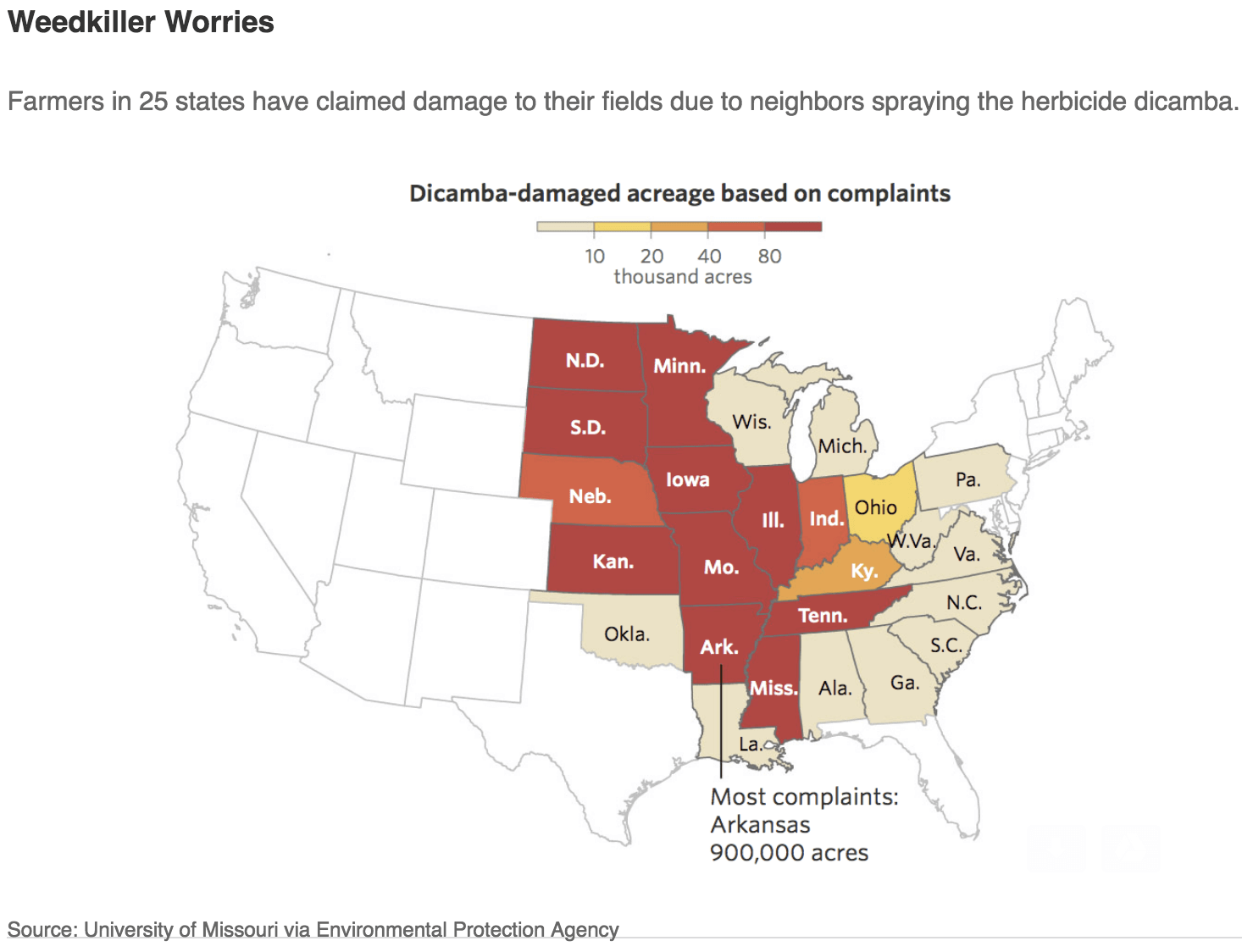
Monsanto’s new version of the herbicide, called dicamba, is part of a more than $1 billion investment that pairs it with new, genetically engineered seeds that are resistant to the spray. But some farmers say their nonresistant crops suffered after neighbors’ dicamba drifted onto their land.
The agricultural giant in October sued the Arkansas State Plant Board following the board’s decision to bar Monsanto’s new herbicide and propose tougher restrictions on similar weed killers ahead of the 2018 growing season. Monsanto claims its herbicide is being held to an unfair standard.
Arkansas has been a flashpoint in the dispute: About 900,000 acres of crops were reported damaged there, more than in any other state.
…
Monsanto has criticized some Arkansas state agricultural officials and academics involved in researching and regulating dicamba, accusing them of bias and overstepping their authority.
Since it was introduced in the United States in 1974 by pesticides and seed maker Monsanto as Roundup, the use of the glyphosate—which is sprayed on food crops but also widely outside of agriculture, such as on public lawns and in forestry—has soared across the globe.
The European Commission says it is the most frequently used herbicide in the world and in Europe.
Total worldwide use rose more than 12-fold from about 67 million kilogrammes (148 million pounds) in 1995 to 826 million kilogrammes in 2014, according to research published in the Environmental Sciences Europe journal in February 2016.
There was a dramatic jump after the introduction in 1996 of genetically engineered “Roundup Ready” crops, such as soybean and maize, that survive glyphosate while it kills weeds, it says. Globally glyphosate use has risen almost 15-fold since then.
Monsanto’s patent expired in 2000 and it is now produced by various companies and under different names.
A 2015 study by the World Health Organization’s cancer research agency concluded that the weedkiller was “probably carcinogenic”.
However the European Food Safety Authority and the European Chemicals Agency say it is unlikely to cause cancer in humans. The US Environmental Protection Agency says the product “has low toxicity for humans”.
Does today’s fear of potential risks caused by GMO make us unable to carry out necessary actions for a better life, because we get misdirected ending up as cowards? … In these days, human society faces new social, economic and ethical challenges due to the substantial progress made in modern biotechnology. Increasing technical efficacy and decreasing costs revolutionizes the tools that science-driven economies will apply to change the availability of genomes as major biological resource.
Nevertheless, a substantial group of concerned non-governmental organizations and political parties is currently hampering a rapid progress in the EU.
…
Past experiences with GMO demonstrated that authorized GMO are safe for both human/animal health and the environment since no technique-specific risk has been identified within the comparative approach.6 Hitting the brakes for a complete ban of genome editing calling upon the precautionary principle is not a realistic option, and we need a concerted action on how modern biotechnologies should be applied in both a cautious and innovative way.
…
Concerned non-governmental organizations are fully responsible for delaying the application of technologies that can be helpful, and I have hope that there is sufficient conscience for courageous solutions and innovative visions that are not poorly driven by fear.
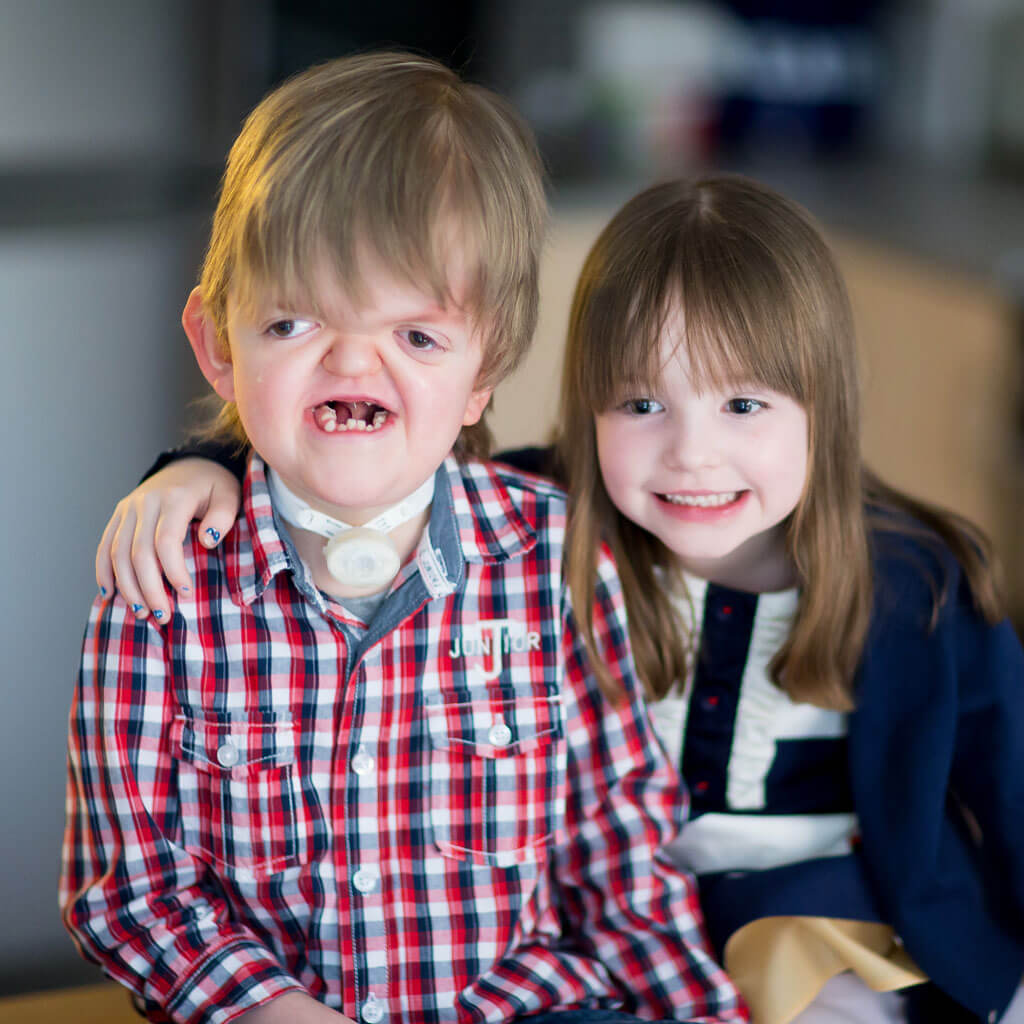
His son Vincent’s unusual features – long, thick eyelashes; low-set ears; extra teeth; autistic behaviors; brittle hair; a flat back of the head; hearing loss; developmental delay – had led Marc, an engineer and self-taught geneticist, to seek exome sequencing. He knew that strange combinations of traits could mean a mutation.
Sequencing Vincent’s exome – the protein-encoding part of the genome – could reveal if a new mutation had arisen in him, rather than having been inherited from his parents. And that’s what happened: Vincent has a dominant mutation in a gene called RPS23. He isn’t, however, defined by any disease. He’s a striking, active, and happy young teen who loves watching and listening to birds as he rides his mountain bike to school through a nature reserve.
Marc launched the search for a genetic explanation for Vincent’s unusual traits on October 16, 2014, when he sent an email to a few investigators – and me, having read my blog DNA Science. His story intrigued me, and I told Vincent’s story in the Journal of the American Medical Association and in Rare Disease Report.
RPS23 encodes a protein that’s part of the ribosomes, key components of cells’ protein production machinery.
Vincent Pieterse (courtesy of Marc Pieterse)
But the you-know-what hit the fan when Online Mendelian Inheritance in Man – “OMIM,” the compendium of conditions that is the ultimate genetic resource – then listed Vincent’s traits as “MacInnes syndrome” — named for Alyson MacInnes, the last name on the paper after several equal co-authors. That’s conventional for OMIM. The entry also described a 5-year-old girl with the mutation and some of Vincent’s traits – Marc found her in September 2015 by registering Vincent’s mutation at GeneMatcher.
Marc objected to “MacInnes,” claiming that the focus shouldn’t be on a researcher, but more so to “syndrome,” feeling that it stigmatized his son. A nasty argument ensued, which Marc asked me to write about but I was chicken.
When the dust finally settled, OMIM renamed the condition for the three symptoms that the two kids shared: “brachycephaly, trichomegaly, and developmental delay,” referring to the flat head and gorgeous eyelashes.
Marc is ok with that, for now. “But it’s premature to name something which is not described well yet in a larger group of patients. The most helpful, informative and respectful way to name a disease is to try to explain in the name what is going on (like ribosomopathy), explain one of the biggest burden(s) of the disease (like developmental delay), and use a humane and non-stigmatizing name. Every organization that names diseases should embrace the WHO guidelines,” he told me.
World Health Organization’s advice
In May 2015, the WHO issued guidance in naming new infectious diseases “to minimize unnecessary negative effects on nations, economies and people.”
Keiji Fukuda, Assistant Director-General for Health Security at the organization, explained the rationale:
We’ve seen certain disease names provoke a backlash against members of particular religious or ethnic communities, create unjustified barriers to travel, commerce and trade, and trigger needless slaughtering of food animals. This can have serious consequences for peoples’ lives and livelihoods.
With the speed of communication these days, it’s important to appropriately name a new disease before an offensive tag can get around. According to WHO, a new infectious disease name should:
describe the symptoms (toxic shock syndrome)
use adjectives (winter vomiting disease)
include known pathogen names (HIV-AIDS)
But not:
implicate a geographical area (Lyme disease)
insult a group of people (Legionnaire’s disease)
offend a species (swine flu)
Apparently not everyone in the world of epidemiology has gotten the WHO memo, because of the new Powassan virus encephalitis.
The winner for worst disease name of all time was GRID, for gay-related immune deficiency. It was stamped on dying young gay men before AIDS emerged in other groups. A nicely descriptive name with a hint of history is malaria, from mid 18th century Italian. ‘Bad air’ (mal aria) referred to stinky marshland, once thought to be the source of the sickness and not mosquitoes carrying parasites.
End of eponyms
WHO rejects eponyms, like Chagas disease. The anti-eponym movement infiltrated normal physiology too, and in my textbooks I had to alter Fallopian tubes to uterine tubes, the loop of Henle to the loop of the nephron, and most disturbing of all, the islets of Langerhans to the pancreatic islets. I also had to change a bunch of “disorders” to “diseases,” but that’s another story.
I rather like some of the eponymous names of genetic diseases, for they evoke fascinating history. For example, “horse-and-buggy doctor” George Sumner Huntington first described the disease that would take his name in 1872. As a young man he’d accompanied his father and grandfather on house calls in East Hampton, Long Island, where a few local families moved in mysterious ways. He wrote about two very thin women gripped by constant contortions, and several men who staggered about as if intoxicated. The symptoms intensified “until the hapless sufferer is but a quivering wreck of his former self.”
But colorful names are not always useful, especially for genetic diseases. Rather, precision is the most important criterion, because of the predictability of risk for people related in a certain way, based on Mendel’s laws of inheritance. Vincent’s children, for example, will each have a 50 percent chance of inheriting his features, if they turn out to be due to the mutation.
Another eponymous disease that is technically chromosomal, not genetic, illustrates the importance of precision in a diagnosis: Down syndrome.
Two types of Down syndrome
In 1866, Sir John Langdon Haydon Down noted that about 10 percent of his patients at a facility for the profoundly intellectually disabled had distinctive flat faces that resembled those of people from Mongolia. But “mongolism” has nothing to do with ancestry. It’s due to errant distribution of chromosome # 21. (Chromosomes are numbered in decreasing size order. Due to a long-ago error, the smallest is actually #21, not 22).
If Sir Down could have looked into the chromosomes of his charges, he’d have seen that 96 percent of them had an extra chromosome 21, today called trisomy 21. It arises from a sperm or egg that gets an extra chromosome 21. The person can survive because 21’s gene load is so small.
The other 4 percent of Down syndrome cases arise from a parent who is a translocation carrier. She or he has one normal chromosome 21, but the other piggybacks onto a different chromosome, usually #14. If the unusual chromosome ends up in an egg or sperm, along with two normal copies, and conception results, the fertilized ovum has an overload of chromosome 21. And that equals Down syndrome .
People with trisomy or translocation Down syndrome seem to be the same, but the risks that it will recur in their families are radically different. Trisomy 21 recurs 1 in 100 times, the empiric risk. But translocation Down syndrome affects a third of live births to couples where one is a carrier.
‘Geneticization’
OMIM has been aptly called the bible of human genetics. From the 1960s until the mid 1980s, it was a huge book published anew every few years. Each entry was everything you could want to know about a particular condition, including historical anecdotes, epidemiological data, and for many rare conditions, descriptions of societies in which uncle-niece and cousin-cousin marriages amplify the incidence of particular mutations.
A recent article by University of Adelaide science historian Rachel Ankeny explores the “geneticization” of OMIM: the association of health effects, symptoms, traits, and biochemical findings with specific gene variants. She argues and I can also attest that the geneticization isn’t a consequence of the ability to sequence human genomes, but a steadily growing body of discoveries, described one gene at a time, that’s been going on for decades. Gene discoveries aren’t new.
A shout-out of thanks to Marc Pieterse for bringing the importance of a genetic disease name to public attention. The discussion over how to name the possible manifestations of his son’s rare mutation underscores the fact that decisions shouldn’t bow to political correctness, or honor a researcher, patient, or place of discovery. What’s important is to impart the most useful medical information.
Ricki Lewis has a PhD in genetics and is a genetics counselor, science writer and author of Human Genetics: The Basics. Follow her at her website or Twitter @rickilewis.
Diminishing global fish stocks are a serious concern for the environment and food security, yet our fish consumption keeps growing. Producing fish oil on land could reduce the tremendous pressure the fishing industry puts on the oceans, and this is a step closer thanks to recent research on a transgenic oilseed crop.
A team at Rothamsted Research in the UK, led by Professor Johnathan Napier, has spent nearly two decades working to meet the needs of the fish farming industry using plants. Field trials look promising, with the ultimate aim of maximizing health benefits of fish while improving the sustainability of aquaculture.
The health effects of oily fish are well known, and these come partly from long-chain omega-3 polyunsaturated fatty acids (LC-PUFAs), which help prevent heart disease and stroke, and may offer mental health benefits. Yet we are hard-pressed to meet a growing demand for fish without wreaking havoc on global fish stocks and threatening the health of our oceans. If the world’s population is going to access the health benefits of fish, we need another way to produce fish oils.
Aquaculture and environmental sustainability
Although over half the fish we consume comes from farms, aquaculture doesn’t solve the problem of overfishing. Much of the fish caught in the wild becomes fish food, and so fish farms are reliant on exploitation of natural resources. The global aquaculture industry has continued to expand, driven by our demand for omega-3 fish oils and by the growing human population. Aquaculture now uses around 80 percent of the fish oil harvested annually from the sea, and more fish goes into the aquaculture system than comes out.
Replacing wild fish as a source of fish food is challenging because “fish oils” aren’t actually produced by fish. The oils are in fact made by microbes at the base of the marine food web. And those aren’t available to caged fish in farms. We don’t currently have the technology to produce algae on a large scale. So farmed fish are fed oil and meal made from fish caught in the wild, where omega-3 fatty acids work their way into the food chain.
It’s possible to raise fish with vegetable oil in their diets, so fish farms are turning to vegetable oil as a source of food. However, this changes the nutritional value of the farmed fish. There is emerging evidence that farmed fish now contain significantly less of the beneficial fatty acids than they did 10 years ago.
Transgenic camelina as a source of fish oil
In the search for a more sustainable source of fish oil, the team at Rothamsted used genetic modification to produce “fish oils” in plants.
The project uses camelina, a distant relative of oilseed rape and one of Europe’s oldest oilseed crops. Camelina is naturally high in omega-3, but these are the short-chain fatty acids and not the long-chain omega-3 fatty acids which bring health benefits. To change the profile of oils, the team introduced synthetic genes into the camelina, similar to those found in algae. The transgenic plants contain the biochemical pathway which produces long-chain omega-3. This oil can then be extracted from the seed and fed to fish in a pure form, as a more sustainable alternative to fish oil sourced from the sea.
The advantage of GM camelina go beyond sustainability. It also sidesteps some of the other issues associated with fish oils sourced from the oceans, including contamination with heavy metals.
Latest progress
The project had already had success in the laboratory, where the team demonstrated that their camelina plants produce long-chain omega-3 oils in their seeds. The next step was small outdoor trials to see whether the same is true in the field. Results from the trials were announced in a new paper and show positive findings from 2014 and 2015. The transgenic plants grew well in the field, and accumulated oil in their seeds in the same way they did in the greenhouse.
Compared to plants used in previous experiments, the latest variety produces oil which is closer to natural fish oil. The new plants have lower levels of omega-6 fatty acids, which are only found in low levels in marine organisms, as well as more of the beneficial omega-3 fatty acids.
A second 2017 paper reported positive results from salmon feeding trials. For 12 weeks, the salmon were fed diets containing oil from GM camelina grown in the greenhouse. At the end of the study these fish were as healthy as salmon fed on a standard mix of rapeseed and fish oil.
The most exciting result from the fish feeding trial was the potential impact on human health. The fish fed camelina oil accumulated fatty acids exactly as they would when fed fish oil – twice as much omega-3 as fish fed on the commercial mix of fish and vegetable oils.
Next steps
The next step for the GM camelina project is to select the best plant lines currently being grown, to ensure the highest levels of omega-3 fish oils are produced. These plants will be used in larger field trials.
The project will then need to transition from the research phase to development and commercialization. This will involve planning how to make the crop available on a commercial scale, and determining which farm management practices are needed to prevent gene flow to other plants.
The final step will be to secure regulatory approval, although the status of the EU regulatory system means that the team will only be seeking approvals outside Europe.
Ultimately, if the GM camelina is accepted by regulators and users, the team’s vision is to see the volume of fish oils harvested from the sea matched by the amount produced on land.
Rebecca Nesbit is the author of Is that Fish in your Tomato? a popular science book covering the fact and fiction of genetically modified food. You can follow her on Twitter as @RebeccaNesbit.