The battle between sports cheats and testers is poised to enter a whole new arena. The World Anti-Doping Agency has extended its 2003 ban on “gene doping” to include all forms of gene editing – but it is not clear the agency has the means to enforce this ban.
WADA already bans the use of genetically modified cells and gene therapy if they have “the potential to enhance sport performance”. From 2018, the list will also include “gene editing agents designed to alter genome sequences and/or the transcriptional or epigenetic regulation of gene expression”.
…
Gene editing should be even harder to detect than conventional gene therapies like this. Gene editing should make it possible to make tiny alterations to DNA in existing genes, or to just temporarily boost or switch off the activity of particular genes. What’s more, these tweaks can be restricted to specific tissues such as muscle, meaning the changes may not show up in blood tests.
In theory, the “biological passports” introduced by WADA in 2009 should reveal any unexpected changes in an athlete’s body, even if gene doping itself cannot be detected. But any would-be cheats smart enough to resort to gene editing may be able to find ways round this.
Scientists from Wageningen University & Research have found natural genetic variation for photosynthesis in plants and are unravelling it to the DNA level. As a result it should be possible to breed crops that use photosynthesis more effectively in the future, increasing their yield and enabling them to capture more CO2 from the air in the soil. This represents a major step on the long road to solving global food challenges and realising the Paris climate agreement.
…
[A] team of scientists has shown that thale cress (a common model plant) has various genes involved in the adaptation to changes in the amount of light to which plants are exposed.
…
The discovery shows that it is possible to improve photosynthesis based on natural genetic variation, something which was doubted until now. In the long term, breeding on improved photosynthesis could make crops produce more yield with the same amount of soil, water and nutrients. This brings the concept of ‘more’ (yield) ‘with less’ (soil, water and nutrients) one step closer.
Nigeria’s National Biosafety Management Agency (NBMA) says it has, in conjunction with the Customs Service, ordered that the genetically modified (GM) maize consignment illegally imported into Nigeria be sent back.
News Agency of Nigeria (NAN) reports that the Nigeria Customs Service recently impounded 90 tonnes of GM maize, valued at about 10 million dollars, which was illegally imported into the country through the Apapa seaport in Lagos.
The GM maize was reportedly imported from Argentina.
Rufus Egbegba, the Director-General of NBMA, said this in a news conference on Tuesday [Nov. 14] in Abuja that in view of the information and facts on ground, the agency ordered the repatriation of the maize consignment with immediate effect.
He said the agency was informed of the importation of a large maize consignment in October.
…
“Representatives of the company were invited to provide more information on the GM status of their import, after which the NBMA proceeded to obtain samples and conduct laboratory tests to ascertain the GM status of the imported maize.
“The results of the analysis and the tests by an independent laboratory of six samples showed categorically that the maize imports were actually genetically modified maize.’’
If there’s nothing magical about our brains or essential about the carbon atoms that make them up, then we can imagine eventually building machines that possess all the same cognitive abilities we do.
…
Human intelligence has been optimized to deal with specific constraints, like passing the head through the birth canal and calorie conservation, whereas artificial intelligence will operate under different constraints that are likely to allow for much larger and faster minds.
…
AI systems are likely to lack human motivations such as aggression, but they are also likely to lack the human motivations of empathy, fairness, and respect. Their decision criteria will simply be whatever goals we design them to have; and if we misspecify these goals even in small ways, then it is likely that the resultant goals will not only diverge from our own, but actively conflict with them.
…
To avoid inadvertently building a powerful adversary, and to leverage the many potential benefits of AI for the common good, we will need to find some way to constrain AGI to pursue limited goals or to employ limited resources; or we will need to find extremely reliable ways to instill AGI systems with our goals.
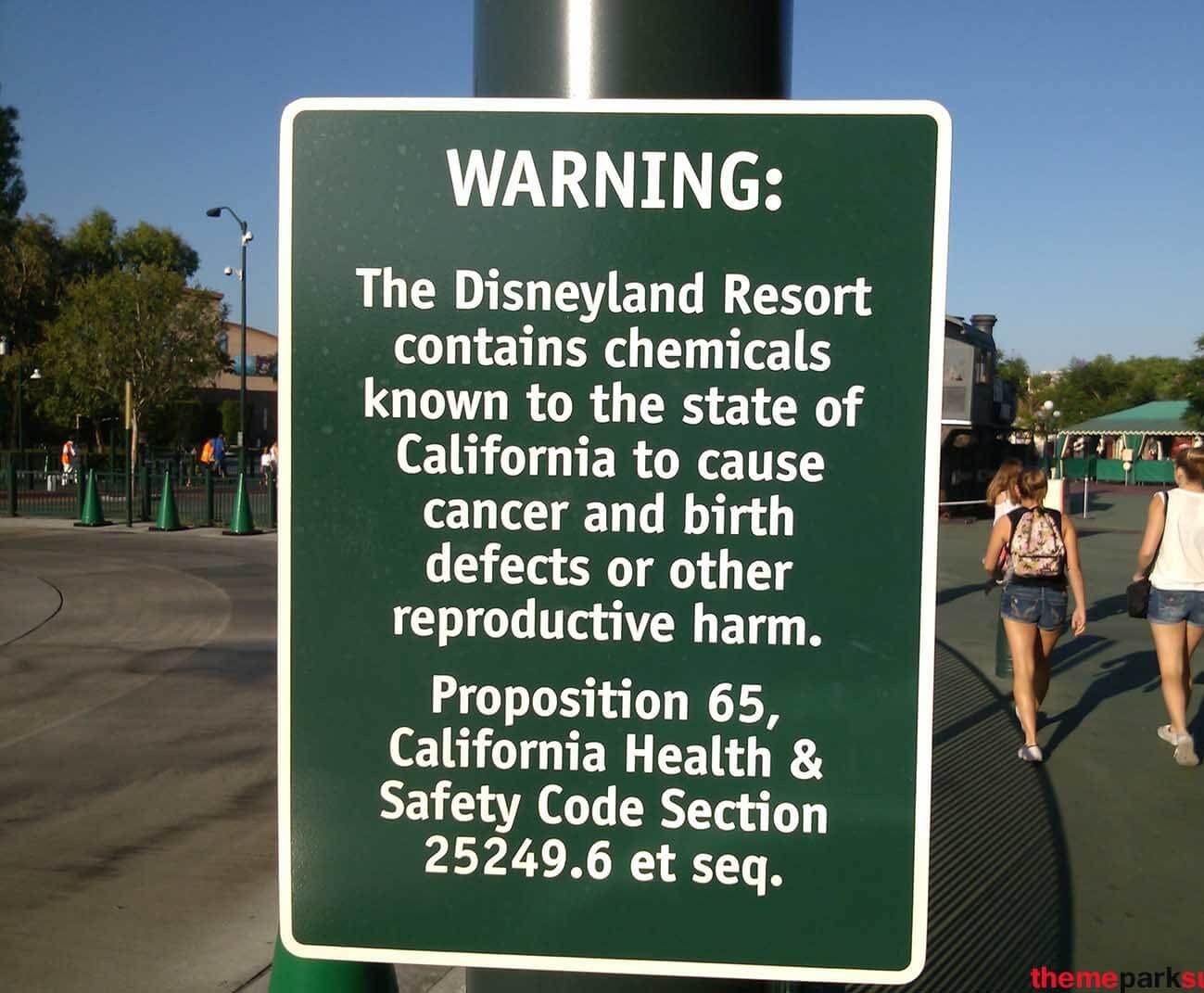
Monsanto Co and U.S. farm groups sued California on Wednesday [Nov. 15] to stop the state from requiring cancer warnings on products containing the widely used weed killer glyphosate, which the company sells to farmers to apply to its genetically engineered crops.
The government of the most populous U.S. state added glyphosate, the main ingredient in Monsanto’s herbicide Roundup, to its list of cancer-causing chemicals in July and will require that products containing glyphosate carry warnings by July 2018.
California acted after the World Health Organization’s International Agency for Research on Cancer (IARC) concluded in 2015 that glyphosate was “probably carcinogenic”.
Reuters reported in June that an influential scientist was aware of new AHS research data while he was chairing a panel of experts reviewing evidence on glyphosate for IARC in 2015. He did not tell the panel about it because the data had not been published, and IARC’s review did not take it into account.
The initialism stands for “genetically modified organism,” but it’s a term lacking scientific precision. Moreover, it’s hard to find an organism in any way connected to humans that hasn’t been genetically modified, says Alison Van Eenennaam, a geneticist at UC-Davis who specializes in animal biotechnology. “I might argue that a great Dane or a Corgi are ‘genetically modified’ relative to their ancestor, the wolf,” she tells Mental Floss. “‘GMO’ is not a very useful term. Modified for what and why is really the more important question.”
…
These days, when people say “GMO,” they tend to mean one particular modification method that scientists refer to as transgenesis. As Van Eenennaam explains, transgenesis is “a plant-breeding method whereby useful genetic variation is moved from one species to another using the methods of modern molecular biology, also known as genetic engineering.”
Transgenic crops and animals have been modified with the addition of one or more genes from another living organism, using either a “gene gun,” Agrobacteria—a genus of naturally occurring bacteria that insert DNA into plants—or electricity, in a process called electroporation.
The GLP aggregated and excerpted this article to reflect the diversity of news, opinion and analysis. Read full, original post: What Is a GMO?
The sun is strong, the sky Hollywood-set blue, but the wind is brutal. This is confounding the work of Wade Elmer, chief scientist for the Department of Plant Pathology and Ecology at the Connecticut Agricultural Experiment Station. At the CAES farm in Hamden, he and a small contingent of grad students, lab assistants, and other researchers are busy transplanting eggplant seedlings and chasing empty seed containers across the blustery, one-tenth of an acre that Elmer likes to call the “death bed.”
The landscape is unquestionably picturesque, but the field is actually riddled with soil-borne diseases, which is why Elmer, who studies these agricultural blights, has been growing sample crops here for three decades. “I’m always worried we’re not gonna get infection,” he said. “But we always get infection.”
The eggplant, to be joined later by watermelon, are components of a three-year research project by Elmer and Jason White, a toxicologist who is the Ag Station’s vice director and runs its analytical chemistry department, to test whether nanotechnology — the use of substances in extremely small form — can help plants fight disease in a way that’s never been done before. White and Elmer believe they’ve figured out how to use nutrients in nano-form to stimulate the plants’ own immune systems. No chemicals, no genetic modification — nothing that seems to be bad for the plant or its environment.
If results from the first year of the study along with three years of preliminary experiments are any indication, the researchers may be onto something. And it may represent the potential to transform agriculture broadly — and to do it cost-effectively, possibly even saving money.
The stakes are high. Estimates vary, but recent research suggests that as much as 42 percent of the global annual production of six major food crops is lost to plant diseases. In the modern age, combating agricultural blight typically has meant dousing plants in toxic fungicides and other disease-killing substances. Such treatment risks introducing chemicals into the food chain and comes with a full complement of health and environmental concerns. More recently, genetically engineering crops to survive a chemical onslaught, or in some cases so that they can resist disease on their own, has come into wider use. It’s generally effective, although some researchers — and many consumers — remain concerned about unknown risks.
The Connecticut researchers are therefore hoping that their nanotech approach might one day offer an alternative tool that would be comparatively inexpensive and easy to deploy — so much so that even developing countries facing agricultural failures from climate change, expanding blight, and other factors, may have a ready and viable option to increase productivity.
“All we’re really doing is supplying the plant with nutrients it already needs,” said White, who is the nanotech expert of the duo. “We’re just giving it to the plant in a more usable form.”
As defined by the Environmental Protection Agency, nanoscale materials are between one and 100 nanometers in size. A nanometer is one-billionth of a meter. A human hair is 80,000 to 100,000 nanometers wide.
Nanomaterials exist in nature, but are also manufactured. They’re in everything from lipstick to fertilizer, but they’ve had limited regulation based on size. Nanoscale copper, for instance, has been generally regarded the same as its larger form, commonly referred to as “bulk.” (In early January, the Obama administration published its final rule under which the EPA would regulate certain nanoscale materials, but the Trump administration delayed the rule’s implementation.)
The idea that materials would be considered the same regardless of whether they were nanoscale was a head-scratcher to White when he first stumbled into the nanotoxicology field less than a decade ago. “The whole reason we’re using a material on a nanoscale level is because it behaves differently. It has different chemical properties, different physical properties,” he said. While that might not always be true, White added, “it’s a bad assumption to assume that it isn’t.”
He saw instances in which high concentrations of certain nano-sized materials would harm plants. “But there were other instances where when you backed down that concentration curve,” he said, “all of a sudden the plant’s growing faster. It’s producing more fruit.”
What really got him from a nano-toxic to a nano-benefit mindset was an experiment in China. A researcher there had split a plant root growing hydroponically by putting half of it in a copper nano solution and the other half in an untreated solution. In the end, the copper turned up in the untreated root, suggesting that the material had not just moved up the plant, the way most materials do, but also down again to get to the untreated root.
That’s not really supposed to happen. With plenty of nutrients in the ground, plants evolved to suck them up into roots and then on to the shoots to support functions like metabolism and photosynthesis. But natural selection has dictated that most plants are unable to move the nutrients around in other directions, particularly after they are absorbed into plant tissue. The experiment in China, however, seemed to suggest otherwise — at least if the particles being absorbed are small enough.
The findings were intriguing. There are a number of nutrients plants require, including those needed in only the smallest amounts — otherwise known as micronutrients. In plant roots, some micronutrients activate enzyme systems that fight certain diseases. Copper is thought to be a key micronutrient in this regard, but the trick is getting enough of it into the roots, especially when the plant is young.
White told Elmer about the study.
“When I showed him that data, he was the most excited I’d ever seen Wade,” White recalled. “I’m thinking ‘That’s really cool,’ but Wade’s thinking, ‘Well, if I can get more copper into the roots of eggplant or watermelon or any other plant that suffers from a root pathogen, then that’s going to help that plant resist disease or fight off disease.’”
There has been plenty of research on all kinds of aspects of nanotechnology and nanomaterials, including in agriculture, but neither man could find any on the idea of using nanotechnology as a micronutrient delivery system. So they decided to do it themselves.
That was barely five years ago. Elmer knew nothing about nanotechnology when he started.
Dried, ground plant material in test tube waiting for testing in an inductively coupled plasma mass spectrometer (ICPMS). It can determine whether the elements in question are present and in what volume. | Jan Ellen Spiegel for Undark
The pathogens Elmer has been after are Fusarium and Verticillium, both soil-borne fungal diseases. They affect hundreds of species, can diminish production by as much as 30 percent, and tend to stay in the soil for a very long time. Treating the soil itself isn’t the best option, because that could have all kinds of external detrimental effects, and the nutrients can disperse to places other than the plant.
Armed with the knowledge that at least some metal nanoparticles might be able to travel downward through plants, White and Elmer’s idea was to spray dissolved nanoparticle nutrients just once on the leaves of young plants. They decided on eggplant, which is susceptible to Verticillium, and watermelon, which is susceptible to Fusarium. They would compare results with applications of larger, bulk versions of the metal, which they were pretty sure would just sit on the leaves.
Beginning in 2013, the researchers tried all kinds of nutrients, but the main focus was copper, along with manganese and zinc – micronutrients Elmer knew the plants needed. “We found that just a simple copper spray applied on the young seedlings was translating into higher yields at the end of the season,” Elmer said.
They extrapolated that nanoparticle copper on an acre of eggplant would cost about $44, but would increase production enough to raise the value of the yield from about $17,000 to $28,000. “It was striking,” Elmer said, adding that he didn’t believe the results until he saw them repeated in subsequent experiments.
The signs were encouraging — perhaps even borderline revolutionary — but there were numerous lingering questions. Was the nanomaterial itself traveling down the plant, for example, or was it converting to an ionized form and then traveling downward? Did the nanomaterials need the presence of disease to induce the defense response? And at what point in the nutrient’s travels through the plant was the perceived benefit taking place? In the roots, or somewhere earlier along the way? Finally, and of most concern: Was the nano-metal concentrating in the edible part of the plant? If so, that would not be good. High concentrations of any number of the metals being tested could be harmful to humans.
On many of these questions, Elmer and White weren’t exactly sure. But after running experiments in 2013, 2014, and 2015 and testing for higher nutrient concentrations within the edible fruit, they at least had an encouraging answer on that front: “We found none,” Elmer said.
Indeed, the results broadly showed that eggplant treated with nanoparticles fared batter in a variety of ways than eggplant treated with bulk versions of the same nutrient. In greenhouse experiments, plants getting nano-copper or zinc had increased weights. A field trial of eggplant in 2013 showed that yield was higher in plants treated with nano-versions of copper or manganese. A repeat field experiment in 2014 showed the same, with nano-zinc also producing higher yield. Both manganese and copper showed larger canopies.
Watermelon experiments showed nanoparticle copper produced greater yield and less disease, and nano-copper concentration was far higher than bulk versions of the metal in watermelon roots.
A drought during the summer of 2015 depressed all results in the field trials, so that year is not considered indicative of any particular trend. But Elmer said he thinks the nanoparticle itself is moving down the plant — a process known as translocation. Knowing what’s happening inside the plant will ultimately help determine the safest, most efficient, and inexpensive ways to develop commercial products to treat plants, but Elmer and White are still far from figuring that out.
“We took great care to make sure none of it got onto the roots,” he said of the treatment — a crucial step to ensuring that what was being detected in the root had travelled down through the plant, rather than being taken up by the roots.
Whatever was happening, it was compelling enough to win White and Elmer a $480,000 U.S. Department of Agriculture grant for the big three-year study that began last year.
Most nanotechnology researchers contacted were unfamiliar with White and Elmer’s approach of using nanotechnology to deliver nutrients to stimulate a plant’s own immune system.
“That’s really interesting,” said Patricia Holden, a professor and nanotech researcher at University of California, Santa Barbara’s Bren School of Environmental Science and Management. She said she’d like to know whether the particles found in the root are still intact, if they’re entering the soil, and what sorts of metabolites are being produced in the plant. For edible varieties, the issue is safety. The results might show more, bigger, and disease-free fruit, but until it’s clear what’s actually going on inside, it’s hard to know whether the plant is safe for human consumption.
A combination of magnesium and zinc was among the many nanonutrient cocktails used. | Jan Ellen Spiegel for Undark
Christine Hendren, executive director of Duke University’s Center for the Environmental Implications of Nanotechnology, cautioned that there’s still little certainty that nanomaterials aren’t congregating in plants that may then be transferred to an animal that eats them, passing them on through the food chain. And there is no clear understanding of other unintended consequences of introducing nano-metals to the environment. “Companies don’t know if it’s safe to develop this,” she said, “or will we be stuck with legacy-type, asbestos-type problems?”
On the other hand, the approach could avoid what she called the “massive toxic dump” way of doing things currently, in favor of what she called “the plant equivalent of personalized medicine.”
Other researchers noted similar agriculture and nanotechnology studies focusing on ways to improve fertilizer delivery, lower the need for pesticides, directly target diseases, and especially make crops more drought resistant as the climate changes. “It’s a very straight connection with climate change in my opinion,” said Mariya Khodakovskaya, a professor at the University of Arkansas who has been looking at ways to use carbon nanomaterials to help plants use less water.
“We can use nanoparticles as one-stop shopping,” said Christian Dimkpa, a plant and soil biology research scientist with the International Fertilizer Development Center. He has been experimenting with several nanotech techniques for crops important to his native Nigeria. “That means using it to address multiple plant problems — including disease, including growth, including yield, and including resistance to environmental aspects such as drought.”
The climate change potential is paramount for White, who noted that both he and Elmer have received queries from researchers worldwide, many of whom are eager to participate in their research, or figure out how to do their own. The stakes are particularly high as global temperatures creep ever upward. “We’re going to need to grow crops on more marginal lands under more marginal conditions,” White said. “So if we can come up with a way to make that easer to do, then I think that’s tremendous.”
For now, though, much more research needs to be done.
A week or so before the very windy day in the death bed last summer, the action was all in New Haven at the greenhouse on the Ag Station’s main campus. The station was the nation’s first such facility, with the creation of the hybrid that revolutionized commercial sweet corn, the identification of Lyme disease, and the first North American isolation of West Nile virus among its accomplishments.
Roberto De La Torre, a postdoctoral researcher, sprayed eggplant seedling leaves with nine different treatments of nanomaterials: copper, manganese, zinc, cerium, copper/zinc, copper/manganese, manganese/zinc, copper/cerium, and copper/manganese/zinc. A control received no treatment. White and Elmer saw no point in using bulk nutrients given the definitive results of their earlier experiments.
Each treatment was a 500 parts-per-million solution in tap water plus surfactant to help it stick to the leaf. There were six replicates of each treatment and each replicate was composed of three plants that would be averaged together for statistical purposes. Total eggplants eventually in the ground: 180.
During the growing season, the plants were checked regularly to monitor for disease, and their canopy was measured with a decidedly low-tech tape measure. “We always feel that’s one of the best reflections of health,” Elmer said. “You can look at the plant and say, ‘Oh, there’s 10 percent disease.’ But you come back tomorrow and there won’t be any disease because those leaves have just fallen off.
“But if you look at the canopy,” he continued, “that takes in account the size, but also the defoliation of those leaves.”
Roberto De La Torre, a postdoctoral researcher, sprayed eggplant seedling leaves with nine different treatments of nanomaterials. | Jan Ellen Spiegel for Undark
As eggplants were harvested, their reference numbers were written onto the necks, and the yield by treatment was measured. Copper-sprayed plants showed a yield by weight that was 17 percent higher than the control group. Those sprayed with manganese did nearly as well. The combination of copper, manganese, and zinc, however, showed a whopping 31 percent increase over the control.
“I don’t know,” Elmer said, when asked why.
More sophisticated measurements were planned for how much of each nutrient treatment might have been left in the plants’ leaves, roots, stems, and fruit — the big one being the fruit. “That’s always the first question,” White said. “If you’re treating a food crop with nanoparticle copper and you’re finding lots more copper in the fruit, that might not necessarily be a good thing even if you did suppress disease and got better yield.”
Those measurements involve three stages of increasingly specific testing starting with taking tissue from the four parts of the plants. Each sample was dried and ground to a fine powder — a Mr. Coffee coffee grinder being the preferred implement. The powdered samples were dissolved in nitric acid and hydrogen peroxide heated to 110 degrees Celsius for two hours and processed through an inductively coupled plasma mass spectrometer (ICPMS). The device can determine whether the elements in question are there, and if so, how much. But it can’t tell you whether the nutrient is in nano or some other form.
More than 800 samples were tested from the 2016 eggplant and watermelon harvest. The biggest news was that in copper-treated eggplant, copper levels in the fruit were actually lower than in the control group. But copper was 14 percent higher in the fruit of the eggplant treated with all three micronutrients, and manganese was 15 percent higher in the manganese treated group.
Elmer cautioned that because the concentration levels were an average of all the plants in each treatment group, there might be less overall statistical significance, since concentrations tended to vary from plant to plant. In some instances, manganese and zinc were found to concentrate in the leaves, and zinc tended to concentrate in roots. But most other measures showed statistically insignificant changes.
The eggplant study is being repeated this summer along with nanoparticle testing on pumpkins, soybeans, wine grapes, and strawberries.
In addition to the ICPMS, analysis will be done through electron microscopy using a scanning and transmission electron microscope that can greatly magnify the surfaces of the plant, look inside the cells, and determine the elemental composition of what’s inside. It requires slides from thin slices of fresh tissue — the big caveat being that researchers won’t know if they have the “right” slice.
The most precise level of testing would eliminate that problem because it gives a three-dimensional view of an entire plant, what’s in it, and where. But it requires a synchrotron — an extremely sophisticated and expensive piece of equipment. There are only about 60 in the world, and the team has not yet secured a grant to use one.
In the meantime, with the planet facing fast-evolving agricultural blights, excessive use of chemical pesticides, depleted soils, changing climate conditions, and swelling populations in need of food, Elmer and White both remain hopeful, even giddy, that they just might have stumbled onto something that can help — and something with potentially global implications.
“You take it to sub-Saharan Africa and you work on wheat, millet, on stressed soils, or you go to central Asia and you start talking about rice,” White said. “That’s what excites me.”
Jan Ellen Spiegel is a freelance writer and editor based in Connecticut. Her work appears regularly in numerous local and national publications, including The Connecticut Mirror, InsideClimate News, Yale Climate Connections, and The New York Times.
For example, you can now buy “premium” water that’s not only free of GMOs and gluten but certified kosher and organic. Never mind that not a single drop of water anywhere contains either property or is altered in any way by those designations.
While some labels provide useful information that is not readily detectable by consumers, others contain misleading claims that exploit a knowledge gap with consumers and take advantage of their willingness to pay a premium for so-called process labels. For example, details on a product’s country of origin are helpful; labeling a bottle of water “gluten free” and “non-GMO” much less so.
In my experience as a food economist, such “fake transparency” does nothing to inform consumers about the nature of their foods. Moreover, it can actually decrease well-being when accompanied by a higher price tag. A new labeling law set to take effect next year will only make matters worse.
Brief history of food labels
Until the late 1960s, consumers knew very little about the nutritional content of the prepared foods they purchased.
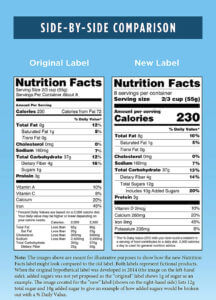
A side-by-side comparison shows the differences between old and new food Nutrition Facts labels after changes were made earlier this year. Food and Drug Administration via AP
The dramatic growth in processed foods changed this and led to a system of voluntary and mandatory nutrition labeling in the early ‘70s. As we learned more about the relationship between diet and health, Congress sought to provide consumers more information by passing the Nutrition Labeling and Education Act of 1990, which gave the Food and Drug Administration (FDA) the authority to require companies to list certain nutrients and other details on food packages.
Since then, food labeling has only gotten wilder. Some labels, such as “organic,” follow strict federal guidelines, while others aren’t regulated, such as “natural.” Eggs might come from chickens that are “cage-free” (which isn’t regulated) or “free range” (which is), while your milk could come from cows that are “grass-fed” (no standard) or “hormone-free” (requires verification).
These labels are largely the result of the consumer desire to know more about the way food is produced – and the willingness to pay more for the claims, spurious or not.
Characteristics of a product
To understand how all this labeling drives consumer behavior, let’s turn to economics.
The economist Kevin Lancaster hypothesized that consumers derive happiness not from a product they might buy but from its characteristics.
For example, when purchasing a car, it’s the characteristics – color, brand, size, price or fuel efficiency – that make you want to buy it. Browsing online even allows us to refine searches by these characteristics. Some of these characteristics, such as size and color, are visible and verifiable to they eye before purchase, while others, like a car’s fuel efficiency, can’t be confirmed until you sign on the dotted line and collect the keys.
Healthier internet? Mr. Gray
In other words, the company knows more about the car than you do, something economists call asymmetric information. Economist George Akerlof won a Nobel Prize for his work on asymmetric information and how it leads to terrible market outcomes.
Similarly, food has characteristics that can be observed only after purchase. You can pick up an apple and see whether it has any blemishes, but you don’t really know how it will taste, and you cannot know how many calories it has even after consumption. That’s where food labels can help.
Exploiting the knowledge gap
Unfortunately, the problem of asymmetric information can never be eliminated entirely, and consumers may never have as much knowledge as they’d like when making purchases.
Mandated labeling has helped narrow this gap, particularly when the additional information increases consumer well-being, such as knowledge that a food contains 160 calories or 60 percent of the recommended daily does of vitamin C.
Some companies, however, use food labels to exploit this knowledge gap by preying on consumer concerns about a certain ingredient or process in order to collect a premium or increase market share. One of the ways they do this is by providing fake transparency through so-called absence labels (like “does not contain”), which are increasingly found on products that could not possibly have the ingredient in the first place.
While the water example I mentioned earlier is the most clear-cut illustration of this, others only require a bit more knowledge to see that they don’t serve a purpose. Since federal regulation requires that hormones not be used in pork or poultry, advertising a chicken breast as “hormone-free” doesn’t make sense – yet doing so allows a company to charge more or help its products stand out from the less-labeled competition.
The FDA allows a business to use the phrase as long as the label also notes that “federal regulations prohibit the use of hormones.”
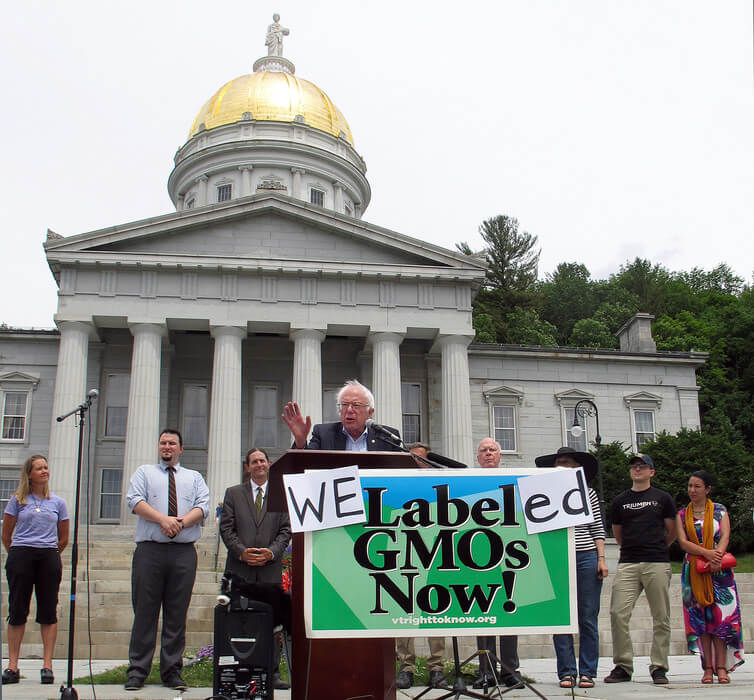
Vermont was the first state to require labeling of GMOs in 2016. AP Photo/Wilson Ring
Signaling safety
A new law that makes GMO labeling of some foods mandatory will likely compound these problems once it takes effect in the summer of 2018.
To understand why, let’s return to asymmetric information and a related economic theory called the signaling effect. A signaling effect occurs when a buyer receives an implicit message from an explicit cue. For example, a food labeled “low sodium” may implicitly communicate that salt should be avoided. When the government is involved in the signaling effect, such as when a label is mandatory, the impact tends to become stronger.
Thus the new GMO labeling law is bound to signal to consumers that bioengineered foods are somehow bad. While some countries have banned the use of GMOs, such as in Europe, the FDA has said that “credible evidence has demonstrated that foods from the GE plant varieties marketed to date are as safe as comparable, non-GE foods.”
As a result of the new law, companies selling products without GMOs will likely slap “GMO free” on the label even though the law doesn’t apply to those foods.
My worry is that consumers will become ever more mystified as more businesses make increasingly absurd claims on their labels so that their products stand out from the competition in the grocery store aisle. I expect that the only thing consumers will get in return for these “fake transparency” labels is a higher price tag.
Andrew McFadden is an Assistant Professor of Food and Resource Economics at the University of Florida whose research focuses on consumer behavior, food choice, and attitudes toward contemporary agriculture production. Follow him on Twitter @McFaddenAgEcon
[P]eople who have genetic tests run the risk of being denied some insurance if the test turns out positive. Such tests, carried out as part of medical diagnosis, or even disinterestedly as part of a research project, can determine whether an individual is susceptible to a debilitating or life-threatening condition.
…
Unlike medical insurance, companies offering life or travel insurance can refuse to insure or can raise premiums if someone is known through genetic testing to be susceptible to a particular condition. And there is no hiding the bad news away: knowingly doing so will void a policy. This creates a paradox for the individual. Even if a test has been conducted, and knowledge exists about an individual’s health, it is best in a financial sense for the individual not to have that knowledge.
Needless to say, researchers fear people will be increasingly wary of putting themselves forward for genetic testing if finding out the results means their financial security is threatened or undermined this way.
…
Existing, diagnosed conditions, and habits such as smoking, will obviously affect the health prospects and longevity of individuals. But a clear distinction can be made, and should be made, between those facts and choices about health and the potential contained in an individual’s genes.
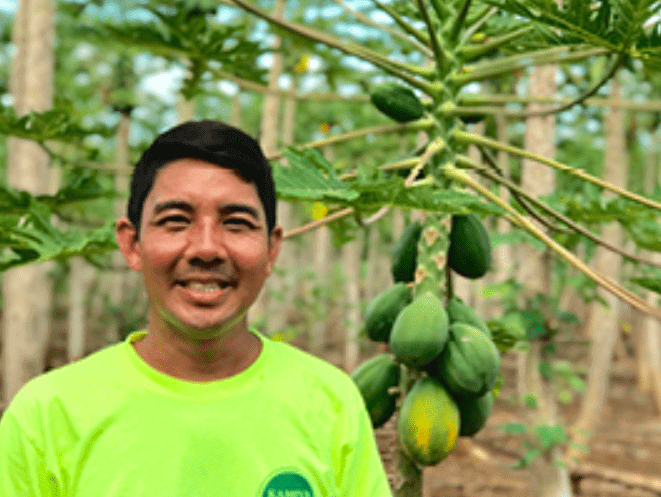
[Michael] Kamiya is a strong supporter of agricultural technology, which he credits for saving his family’s farm. He has childhood memories of his father chopping down papaya trees in a desperate quest to prevent the spread of the deadly ringspot virus, which nearly wiped out the industry in Hawaii. But with the development of a transgenic (GMO) papaya resistant to the virus, the crop can be successfully cultivated throughout the Islands.
…
Though biotechnology has made his farm viable, it created other hardships. “It is very challenging growing GMO papayas in Hawaii,” Kamiya said. “There’s a lot of stigmatism around GMO crops or GMO technology.” He’s attended public meetings where residents denounced him for being a GMO farmer and spraying pesticides, and told him to get out of their community — the same community where he was born and raised.
“Coming out of a meeting like that is a really, really hard thing to swallow,” he said. “But in the end you know that you’re running a business, you’re employing people, you’re supplying food that people love to eat. You know inside that you’re doing something right, so it’s worth the fight.”
The GLP aggregated and excerpted this article to reflect the diversity of news, opinion and analysis. Read full, original post: Fighting the stigma of growing GMOs
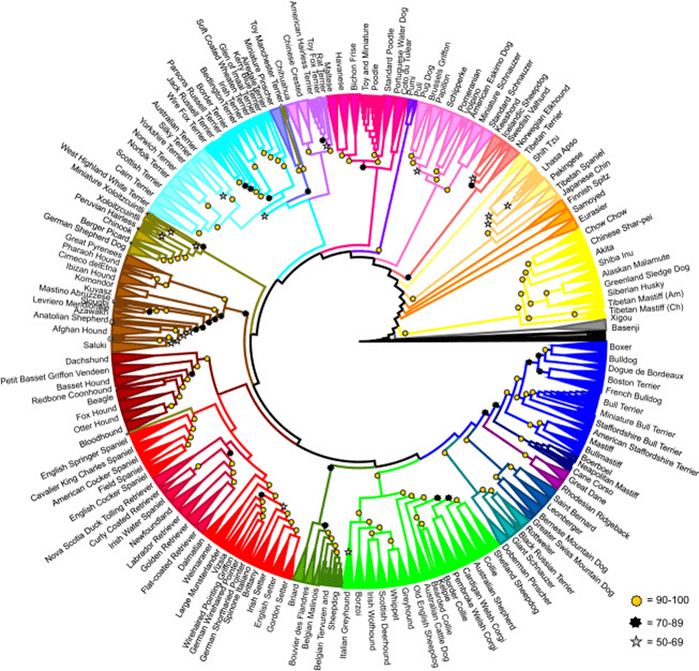
From the 80-kilogram Great Dane to the 1-kilogram tiny teacup poodle, there seems to be a dog for everyone. Now, the largest genetic analysis to date has figured out how those breeds came to be, which ones are really closely related, and what makes some dogs more susceptible to certain diseases.
…
[Researchers] Elaine Ostrander and Heidi Parker […] weren’t interested in determining how and when dogs were domesticated, but how all the breeds developed. Their sample now includes 1346 dogs representing 161 breeds, or not quite half of all kinds of dogs.
…
Almost all the breeds fell into 23 larger groupings called clades, the team details [April 25] in Cell Reports. Although genetically defined, the clades also tended to bring together dogs with similar traits: Thus boxers, bulldogs, and Boston terriers—all bred for strength—fall into one clade; whereas herders like sheepdogs, corgis, and collies fall into another.
…
[B]efore vets couldn’t really understand why a genetic disease called collie eye anomaly, which can distort different parts of the eye, and shows up in collies, border collies, and Australian shepherds, also occurs in Nova Scotia duck tolling retrievers. But the genetic analysis shows that this retriever has either collie or Australian shepherd ancestors that may have passed on the defective gene.
The bacteriumStaphylococcus aureus (S. aureus) has many faces. Many of us happily live our whole lives with S. aureus present on our skin or in our noses and experience no problems at all. But if the bacteria get further into the body they can cause health problems. These range from mild skin infections causing redness and blisters to life-threatening infections of the heart and lungs. In 2012, S. aureus was associated with 292 deaths in the UK.
Methicillin-resistant S. aureus (MRSA) is a type of S. aureus that causes problems because it is resistant to the antibiotics that are normally used to treat these infections. This makes it much more difficult to get rid of so it is often referred to as a “superbug”. MRSA infections spread quickly in contained spaces, especially in nursing homes and hospitals where people often have weaker immune systems, enabling the infection to thrive. In hospitals MRSA can more easily enter the bodies of patients, thanks to cuts, wounds, and medical procedures. It is then harder to treat because of its resistance to antibiotics. However, increased awareness of MRSA has enabled healthcare professionals to manage it more effectively.
The Wellcome Trust Sanger Institute took DNA samples of S. aureus from around the world and used DNA sequencing to examine its transmission. It was one of the first times a study like this had been done, and the results, which were published in the journal Science in 2010, demonstrated the potential use of DNA sequencing to help reduce transmission and contain outbreaks of MRSA.
Isolating bacterial culprits
When scientists sequence bacteria they tend to sequence ‘isolates’. A swab is used to take a sample from a patient carrying the bacteria of interest. The bacteria from the swab are then grown on a plate in the laboratory. The bacteria will grow in different clumps on the plate, known as colonies. One of the colonies of the bacteria is selected and this is the ‘isolate’ from which DNA can be extracted and sent off for sequencing. Selecting isolates helps to ensure that only one type of bacteria is sequenced.
Colonies of S. aureus bacteria growing on a plate. Each white dot is a single colony. Image credit: Pablo Rojas via Wellcome Images
Identifying different types of bacteria
For a long time, scientists used a method called ‘typing’ to trace the source of outbreaks of bacterial infection. The aim of typing is to find out whether two or more bacterial strains are related to each other and originate from the same source population (are of the same type). One of the most common techniques for doing this is called Multilocus Sequence Typing, or MLST for short. MLST involves sequencing around eight genes? in the genome of the bacterium. The sequence of these genes is then used to define the type of bacteria that is present in the sample. If the gene sequences are identical in two or more bacterial strains it means that they are of the same type.
More sequence – more information
Although MLST has been incredibly useful, we now have whole genome sequencing. This means that we can determine the DNA sequence of the entire genome of an organism like S. aureus in one go, all 2,600 genes. Whole genome sequencing can therefore reveal a lot more about different isolates than MLST that only analyses eight genes. This increased level of detail enables scientists to see the similarities and differences between individual S. aureus isolates.
Scientists at the Wellcome Trust Sanger Institute studied the relationships between S. aureus isolates from around the world using whole genome sequencing. Previously these isolates could only be separated into 10 seemingly identical groups based on their MLST profiles. With whole genome sequencing, each individual isolate could be distinguished from the others based on their genetic differences. By analysing the differences and similarities between the isolate’s genomes, the scientists could also see how and where the different isolates evolved.
The scientists found that MRSA had been transmitted from Europe to South America and then back into Europe via Portugal. When they looked more closely at the data, they found an outbreak of MRSA in a UK hospital and a single case in Denmark that appeared to be closely related to MRSA isolates found in Thailand. After further investigation, the scientists identified that the isolate found in Denmark was in fact from a Thai person who had recently travelled from Thailand. This demonstrated that sequencing could accurately identify the source of an individual infection and how whole genome sequencing had the potential to be used in a clinical setting. The research also suggested that by using whole genome sequencing, scientists could find the source of a hospital outbreak and therefore stop it at its source before it becomes widespread. The scientists therefore set out to demonstrate this clinical application by looking at an outbreak of MRSA at The Rosie Hospital, part of the Cambridge University Hospitals Trust in the UK.
The special care baby unit outbreak
The Rosie Hospital is home to a special care baby unit (SCBU), which cares for babies that have been born early or with a low birthweight, as well as babies that are recovering from a difficult delivery, infection or surgery. These babies are very vulnerable to infection, therefore swabs are taken on admission and then every two weeks to monitor if they come into contact with any bacteria that could cause infections.
A special care baby unit. Image credit: N. Durrell McKenna via Wellcome Images
In 2011, three babies on the SCBU at the Rosie Hospital tested positive for MRSA. Although none of these babies were unwell as a result of the presence of MRSA, this prompted an investigation by infection control. The MRSA from each baby was tested against different antibiotics to determine their antibiotic resistance profiles. This type of test is called an ‘antibiogram’. If samples of MRSA are resistant to the same antibiotics then they have the same antibiotic resistance profiles and are therefore more likely to be the same strain of bacteria. In this case, two of the MRSA samples had the same resistance profile and one of them differed by resistance to one antibiotic. The hospital then decided that the bacteria were probably linked so carried out a deep-clean of the ward and investigated all MRSA-positive swabs from the previous six months.
During this period a total of 14 cases of MRSA were identified. Nine of the cases had the same, or similar, resistance profiles to the original outbreak, and five cases had different profiles and were considered unrelated.
The 12 related MRSA cases appeared in three clusters separated by 17 days and 33 days. Normally with transmission on a hospital ward, bacterial infection is passed directly from one person to the next with no noticeable gap, so these gaps of several weeks made it difficult to know if this was a single outbreak or several separate outbreaks.
At this point, scientists from the Wellcome Trust Sanger Institute used DNA sequencing to explore the outbreak in more detail. By comparing the genomes of each of the isolates they found that two of the five cases considered unrelated on the basis of their antibiograms alone were in fact related. They were also able to confirm that the three MRSA clusters were not separate but linked together and a single, ongoing outbreak. The question was why were there gaps of many days between them? Was the outbreak being repeatedly brought into the hospital from outside or was it originating from another ward in the hospital?
An illustration showing a timeline of the 14 genetically-related MRSA cases in the SCBU. (Data source: Harris et al. 2013; doi: 10.1016/S1473-3099(12)70268-2). Image credit: Genome Research Limited
Hunting for the source of the outbreak
To find out where the cases of MRSA originated, the scientists gathered MRSA samples from other wards in the hospital, as well as GP practices and clinics in the Cambridge area where patients had presented with symptoms of MRSA infection. They then performed antibiograms on the samples to find the ones that had similar antibiotic resistance profiles to the ones identified in the SCBU. Those samples with the same antibiogram then had their DNA sequenced.
When the DNA sequences of these isolates were studied a number of them were found to be closely related to the cases of MRSA on the SCBU. Two matching MRSA samples from GP practices were from babies who had been on the SCBU ward at the same time as some of the other babies, but hadn’t tested positive while they were on the ward. Not every swab will pick up infection each time so cases can sometimes be missed. There were also some women who went to their GP with abscesses (a symptom of Staphylococcal infection) who were the mothers of babies who were on the SCBU. One man in the community turned out to be the partner of one of these women.
The study found that there was no evidence that the outbreak had come from the community or other wards because all cases could be linked back to the SCBU.
Another case of MRSA was identified on the SCBU nine weeks later. It was presumed that this was a completely new outbreak of MRSA but when the DNA was analysed it showed it to be closely related to the previous cases of MRSA on the SCBU. This suggested that the MRSA was probably being transmitted by someone working on the SCBU but they would need evidence to confirm this.
An illustration showing a timeline of the 15 genetically related MRSA cases in the SCBU. (Data source: Harris et al. 2013; doi: 10.1016/S1473-3099(12)70268-2). Image credit: Genome Research Limited
Nipping it in the bud
Over 100 people who had worked on the SCBU were asked to provide a bacterial swab for DNA analysis. It is common for S. aureus and MRSA to be carried by people without any ill-effects so healthcare workers may sometimes unwittingly carry the bacteria. Out of all of the samples taken from SCBU staff, one tested positive for MRSA. When DNA from that isolate was sequenced it confirmed a link to the MRSA cases in the SCBU, suggesting the healthcare worker was the source of the most recent case on the ward.
Everyone on the ward received a series of medicated body washes, including the healthcare worker, to remove the MRSA. After three negative screens the healthcare worker was free from MRSA and could return to work. Finally, the outbreak was contained and eliminated.
But where did the healthcare worker pick up the MRSA? The most likely scenario is that one of the babies or one of the families was the original source of the MRSA infection and the healthcare worker was simply a carrier passing it between babies and families on the SCBU.
An illustration showing a timeline of the 15 genetically related MRSA cases in the SCBU and the healthcare worker that carried the infection. (Data source: Harris et al. 2013; doi: 10.1016/S1473-3099(12)70268-2). Image credit: Genome Research Limited
The MRSA clone involved in this case was investigated further and was found to be ST22, a strain of Staphylococcus aureus commonly found in UK hospitals. There are two main types of MRSA ST22 – one associated with hospitals, because it is resistant to particular antibiotics, and one associated with communities and not restricted to hospital environments. When the scientists looked in more detail at the isolates of ST22 found in the SCBU they were found to be more closely related to the community-associated type and similar to some found in South Asia, particularly India. It is only through DNA sequencing that they were able to find this out!
What next?
This was a landmark study, demonstrating how DNA sequencing could be used in a hospital setting, and showing how sequencing of bacterial genomes can be carried out on a large scale.
Initially this study was designed to show how DNA sequencing could provide information about a historical outbreak of MRSA in a hospital. However, DNA sequencing assisted in identifying that the outbreak was ongoing and enabled the rapid identification of its origins. This enabled the efficient management and containment of the outbreak. This shows how DNA sequencing can help clinicians to prevent the spread of MRSA and limit the number of serious infections. In serious cases, some S. aureus infections can be fatal, others can require surgery to remove abscesses, but DNA sequencing could provide the insight to reduce the overall clinical burden of infectious diseases such as S. aureus.
As a consequence of this study and other research over many years, Cambridge University Hospitals Trust now routinely sequence the genomes of every case of S. aureus onsite to help keep one step ahead of any potential outbreaks. This could enable scientists to identify the genetic changes that cause resistance to antibiotics and use this information to inform doctors about which antibiotics to prescribe to their patients. This technique isn’t limited to S. aureus and is also being used to tackle many other pathogens including tuberculosis and gonorrhoea.
Antibiotic resistance is frequently featured in the news as a growing global problem. Gonorrhoea for example is becoming almost untreatable due to antibiotic resistance. Gaining a better understanding of these bacteria with genomics and DNA sequencing is providing invaluable information to help advance research at a faster rate.
A version of this article was originally published on Your Genome’s website as “Tracking ‘superbugs’” and has been republished here with permission from the author.
The smack of the asteroid against Earth released energy on the order of billions of atomic bombs. Dinosaurs were the cataclysm’s most famous victims, joined by sea creatures, plants and microorganisms.
…
In a paper published [November 9] in the journal Scientific Reports, a pair of researchers calculated the asteroid had little more than a 1-in-10 chance of triggering a mass extinction when it smacked into Earth.
…
In 1990, scientists announced they’d found the entry wound. It was a giant pockmark in the Yucatán Peninsula, the “Crater of Doom,” centered near a small Mexican town named Chicxulub.
…
[A] recent paper in Geophysical Research Letters […] contends that the asteroid released killer amounts not of soot, but of gas. Carbon dioxide and sulfur gases blown extremely high into the atmosphere would have the opposite of a greenhouse effect: surface temperatures plummeting by more than 20 degrees Celsius, or about 40 degrees Fahrenheit.
“If you cool the planet by 26 degrees Celsius in five years you’re going to cause a lot of extinction,” Bralower said. To release these climate-altering gases, the asteroid needed to hit a shallow sea above sedimentary rock. In other words, the asteroid would have had to strike a place just like Chicxulub.
An army of scientists is hard at work to understand how plants sense, defend and adapt to harsh environments.
…
Genes hold the key to developing many new technologies, [Jian-Kang Zhu, distinguished professor of plant biology at Purdue University] explained.
…
At the University of Illinois, Stephen Long wants to know how to tweak plants for more efficient response to photosynthesis under higher temperatures.
…
His research initially uses tobacco to test concepts because it can be modified more quickly and cheaply compared to other crops. Yet, tobacco is similar to other crops because it produces many leaf layers when planted in dense stands.
“We are selecting genes to help improve photosynthesis,” Long continued. “Often, that gene is already present in a crop, but it’s not producing enough of the protein that it codes for. We’re trying to look at those gene properties and use them to modify a plant to produce more key proteins.”
In one test, Long’s team inserted three genes into tobacco plants to attempt to boost three proteins involved in adjusting photosynthetic efficiency when leaves go from full sunlight to shade. Two modified plant lines resulted in 20% higher productivity, and a third showed a 14% increase compared to unaltered plants.
The GLP aggregated and excerpted this article to reflect the diversity of news, opinion and analysis. Read full, original post: Crop Armor
When you taste a wine or beer that calls up the flavor of rose or honey think phenylethyl acetate; it’s a by-product of the yeast cells that turn sugar into alcohol to make wine and beer. Now, says Belgium microbiologists in a research paper, those flavors and more can be purposely developed in yeast strains using the latest gene-swapping scientific method.
…
The researchers found “swaths of DNA” containing multiple genes with one causative gene linked to high production of the flavor compound phenylethyl acetate. They also identified the part of genes that are responsible for intense production of the flavor.
…
[A]fter their gene discovery they set out to create yeast strains that produce desirable flavors.
[One of the researchers] claims it’s already possible for microbiologists to create desirable flavors by selecting hybrid strains, but it is a time-consuming process. It’s also a risky process that works in the lab but doesn’t always work in the winery or brewery, where it can produce an off-fermentation. His research proves to him that the best way to engineer desirable traits in yeasts is to use the gene-swapping process known as CRISPR/Cas9.
[S]tudies showing real-world evidence of harm from pesticides in the field have been mounting — and environmental organizations have demanded wide-ranging bans. … This month, the EU’s European Food Safety Authority is due to complete a re-evaluation of evidence for restricting neonics; the EU will then need to decide what action to take. The US Environmental Protection Agency is expected to complete its own review of the insecticides next year.
…
But industry groups and some scientists say the evidence still isn’t conclusive. The picture is complicated: some studies show harm to some bees in some circumstances, whereas others find no harm. The results seem to be affected by many factors, including the species of bee and the kinds of crops involved. Scientists working on the question say the subject has become toxic: any new study is instantly and furiously picked at by entrenched advocates on both sides. … Ultimately, it’s likely that political or regulatory decisions will settle the matter before opposing parties agree, says Sainath Suryanarayanan, an entomologist and sociologist at the University of Wisconsin–Madison who has studied the bee-health issue. “It is a common pattern for highly contentious and polarized debates,” he says.
A new study co-led by Indiana University that tracked the eye movement of twins finds that genetics plays a strong role in how people attend to their environment.
…
[R]esearchers compared the eye movements of 466 children — 233 pairs of twins (119 identical and 114 fraternal) — between ages 9 and 14 as each child looked at 80 snapshots of scenes people might encounter in daily life, half of which included people. Using an eye tracker, the researchers then measured the sequence of eye movements in both space and time as each child looked at the scene. They also examined general “tendencies of exploration”; for example, if a child looked at only one or two features of a scene or at many different ones.
Published [November 11] in the journal Current Biology, the study found a strong similarity in gaze patterns within sets of identical twins, who tended to look at the same features of a scene in the same order. It found a weaker but still pronounced similarity between fraternal twins.
…
“This is not a subtle statistical finding,” [researcher Daniel] Kennedy said. “How people look at images is diagnostic of their genetics. Eye movements allow individuals to obtain specific information from a space that is vast and largely unconstrained. It’s through this selection process that we end up shaping our visual experiences.
[Editor’s note: Read the full study (behind paywall)]
The GLP aggregated and excerpted this blog/article to reflect the diversity of news, opinion, and analysis. Read full, original post: Genetics Affect Where Children Look
At the 2017 D.W. Brooks Lecture and Award held on Nov. 7 in the Georgia Center’s Mahler Auditorium, molecular biologist Nina Fedoroff gave her talk entitled, “The GMO Wars: What do we do when scientists and citizens deeply disagree?”
…
According to Fedoroff, GMOs are necessary to sustain the growing population but have an unfair reputation as being unsafe.
“GMOs have been blamed for farmer suicides in India, tumors in rats, every manner of human count, from autism to obesity and infertility to cancer,” Fedoroff said. “But none of this is true. There is a growing body of what can only be called fake science about GMOs.”
…
“Contemporary controversy around GMOs is driven by both individuals and organizations that promote and exploit GMO fears,” Fedoroff said. “The bottom line is that fears sell a lot better than facts.”
Fedoroff said legislation mandating the label of GMO food ingredients is not about promoting consumer awareness, but instead to promote “stigma” around GMO foods and cited statements from organic food groups and lobbyists.
The GLP aggregated and excerpted this article to reflect the diversity of news, opinion and analysis. Read full, original post: Molecular biologist talks benefits of GMOs
U.K. Biobank [recruited] 500,000 volunteers for a massive study on the origins of disease. In addition to collecting blood and urine, the study recorded volunteers’ height, weight, blood pressure; tested their cognitive function, bone density, hand-grip strength; scanned their brains, livers, hearts; analyzed their DNA. In breadth and depth, the study is the first of its kind.
…
U.K. Biobank announced it would release its full genetic data set to registered scientists in July. This huge amount of genetic information, combined with the thousands of other characteristics tracked by U.K. Biobank, allows scientists to look for the genetic determinants of virtually any disease.
…
In the past, research groups that had gone through the trouble and expense of building DNA data sets have hoarded it for themselves, so that they could be the first to mine it for publishable insights. U.K. Biobank, however, is supported by the United Kingdom’s National Health Service. Its data is open to anyone in the world, as long as they are a legitimate researcher and pay a fee commensurate with the amount of data they want to access.
..
U.K. Biobank is still following its 500,000 volunteers, and will continue to do so for many years as they age. The technology available to scientists will advance over time, too.