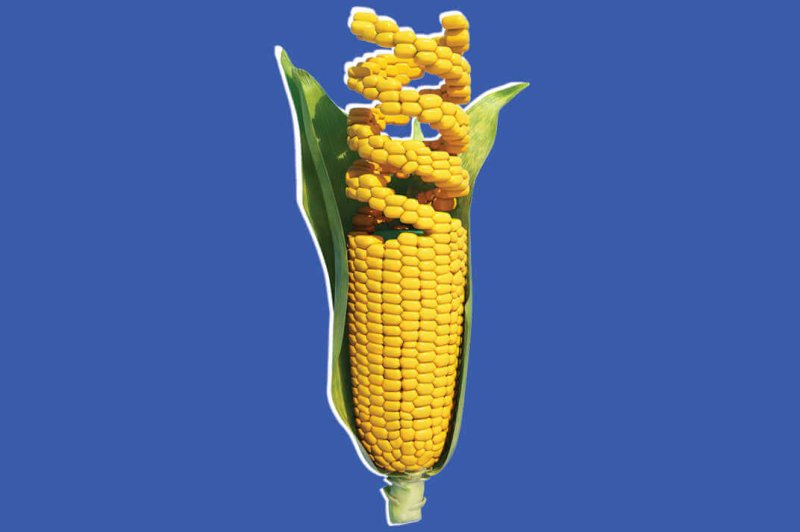
Genes associated with improved photosynthesis could double crop yields, suck more CO2 out of atmosphere

gmo corn w h x

Scientists from Wageningen University & Research have found natural genetic variation for photosynthesis in plants and are unravelling it to the DNA level. As a result it should be possible to breed crops that use photosynthesis more effectively in the future, increasing their yield and enabling them to capture more CO2 from the air in the soil. This represents a major step on the long road to solving global food challenges and realising the Paris climate agreement.

[A] team of scientists has shown that thale cress (a common model plant) has various genes involved in the adaptation to changes in the amount of light to which plants are exposed.

The discovery shows that it is possible to improve photosynthesis based on natural genetic variation, something which was doubted until now. In the long term, breeding on improved photosynthesis could make crops produce more yield with the same amount of soil, water and nutrients. This brings the concept of โ€˜moreโ€™ (yield) โ€˜with lessโ€™ (soil, water and nutrients) one step closer.

[Editor’s note: Read the full study]

The GLP aggregated and excerpted this article to reflect the diversity of news, opinion and analysis.ย Read full, original post:ย One step closer to crops with twice the yield

{{ reviewsTotal }}{{ options.labels.singularReviewCountLabel }}
{{ reviewsTotal }}{{ options.labels.pluralReviewCountLabel }}
{{ options.labels.newReviewButton }}
{{ userData.canReview.message }}

Related Articles

Infographic: Global regulatory and health research agencies on whether glyphosate causes cancer

Infographic: Global regulatory and health research agencies on whether glyphosate causes cancer

Does glyphosateโ€”the world's most heavily-used herbicideโ€”pose serious harm to humans? Is it carcinogenic? Those issues are of both legal and ...

Most Popular

Screenshot-2026-05-01-at-11.56.24-AM
โ€˜Science moves forward when people are willing to think differentlyโ€™: Memories of DNA maverick Craig Venter
Screenshot-2026-04-03-at-11.15.51-AM
Paraben panic: How a flawed study, media hype, and chemophobia convinced the public of the danger of one of the safest classes of preservatives
79d03212-2508-45d0-b427-8e9743ff6432
Viewpoint: The Casey Means hustleโ€”Wellness woo opportunism dressed up as medical wisdom
Screenshot-PM-24
Viewpoint: The herbicide glyphosate isnโ€™t perfect. Banning it would be far worse.

ChatGPT-Image-Apr-30-2026-12_21_05-PM-2
The tech billionaires behind the immortality movement
ChatGPT-Image-Mar-27-2026-11_27_05-AM
The myths of โ€œprocessโ€: What science says about the โ€œdangersโ€™ of synthetic products and ultra-processed foods
ChatGPT-Image-Mar-10-2026-01_39_01-PM
Viewpointโ€”โ€œMiracle moleculeโ€ debunked: Why acemannan supplements donโ€™t work
Drinking lots of water can help reduce the effects of aging
Nanoplastics in drinking water: MAHA activists forge science-based bipartisan coalitionย 
ChatGPT Image Apr 30, 2026, 01_11_41 PM
Trumpโ€™s America First health aid cuts: Retrenchment has already hit global malaria, HIV, TB, and polio programs
ChatGPT-Image-May-1-2026-03_16_32-PM
Viewpoint: How โ€˜health care guruโ€™ Joe Rogan circumvented the FDAโ€™s skepticism on psychedelics
ChatGPT-Image-Mar-3-2026-01_17_14-PM
MAHA wellness influencers deride proven anxiety medications, tout lifestyle fixes
images
The never-ending GMO debate: Pros and cons
Screenshot-2026-04-12-135256
Bixonimania: The fake disease scam that AI swallowed whole
glp menu logo outlined

Get news on human & agricultural genetics and biotechnology delivered to your inbox.