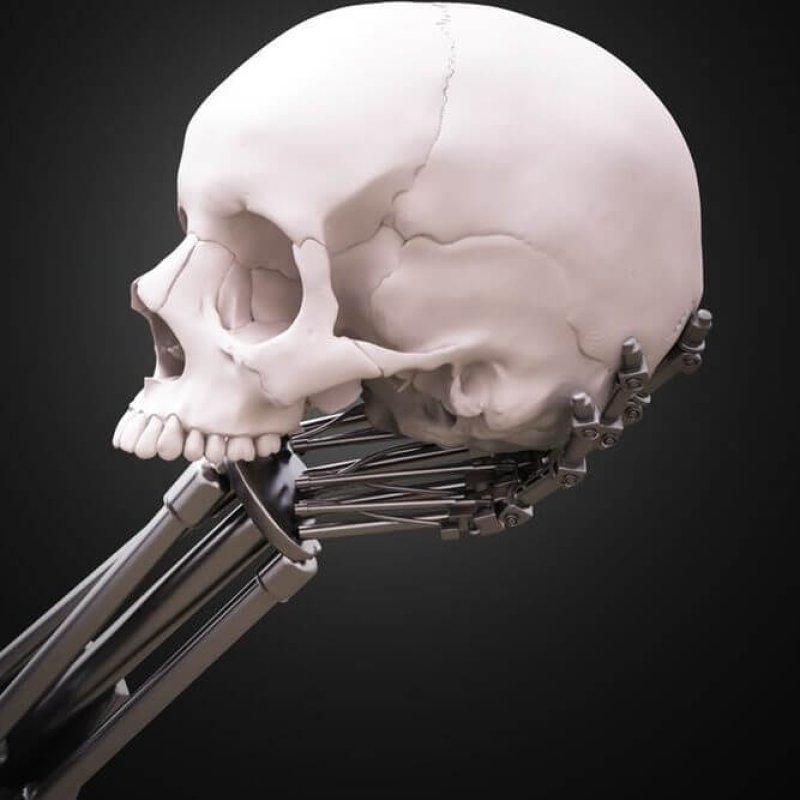
Viewpoint: We need constraints on artificial intelligence

image d oq p e

If there’s nothing magical about our brains or essential about the carbon atoms that make them up, then we can imagine eventually building machines that possess all the same cognitive abilities we do.

Human intelligence has been optimized to deal with specific constraints, like passing the head through the birth canal and calorie conservation, whereas artificial intelligence will operate under different constraints that are likely to allow for much larger and faster minds.

AI systems are likely to lack human motivations such as aggression, but they are also likely to lack the human motivations of empathy, fairness, and respect. Their decision criteria will simply be whatever goals we design them to have; and if we misspecify these goals even in small ways, then it is likely that the resultant goals will not only diverge from our own, but actively conflict with them.

To avoid inadvertently building a powerful adversary, and to leverage the many potential benefits of AI for the common good, we will need to find some way to constrain AGI to pursue limited goals or to employ limited resources; or we will need to find extremely reliable ways to instill AGI systems with our goals.

The GLP aggregated and excerpted this blog/article to reflect the diversity of news, opinion, and analysis. Read full, original post: Why we should be concerned about artificial superintelligence

{{ reviewsTotal }}{{ options.labels.singularReviewCountLabel }}
{{ reviewsTotal }}{{ options.labels.pluralReviewCountLabel }}
{{ options.labels.newReviewButton }}
{{ userData.canReview.message }}

Related Articles

Infographic: Global regulatory and health research agencies on whether glyphosate causes cancer

Infographic: Global regulatory and health research agencies on whether glyphosate causes cancer

Does glyphosate—the world's most heavily-used herbicide—pose serious harm to humans? Is it carcinogenic? Those issues are of both legal and ...

Most Popular

ChatGPT-Image-Apr-20-2026-11_17_18-AM-2
10,000 scientists gone: Trump’s cuts create an unprecedented brain drain
ChatGPT-Image-Apr-23-2026-09_20_20-PM
Kennedy’s CDC blocks publication of study that shows vaccines reduce hospitalizations by 50%, then misrepresents why
ChatGPT-Image-Apr-22-2026-04_31_20-PM
‘Irresponsible decision’? On mandatory military flu shots, Hegseth chooses ‘freedom’ over health
ChatGPT-Image-Apr-20-2026-12_28_36-PM
Vaccine skepticism is a growing global problem
Screenshot-2026-04-13-at-3.54.04-PM
AI disinformation stress test: Challenges and response strategies
Screenshot-2026-04-22-at-4.10.32-PM
Viewpoint — ‘Completely unethical’: RFK, Jr.’s medical ignorance deprives melanoma cancer-sufferers of a life-saving therapy
ChatGPT-Image-Mar-11-2026-11_58_46-AM
The Trump administration has run out more than 4,000 National Institutes of Health employees. Here are the consequences
ChatGPT-Image-Apr-17-2026-03_30_52-PM
Food labels, decoded: What they really mean
images
The never-ending GMO debate: Pros and cons
ChatGPT-Image-Mar-2-2026-03_22_54-PM
Why ‘support supplements’ for GLP-1 users are mostly a waste of money
Screenshot-2026-04-15-at-1.22.58-PM
Anti-biotechnology activists smear hybrid wheat breakthrough that could surge yields in poorer countries
glp menu logo outlined

Get news on human & agricultural genetics and biotechnology delivered to your inbox.