[Editor’s note: Gregory Jaffe is the Director of the Project on Biotechnology for the Center for Science in the Public Interest (CSPI).]
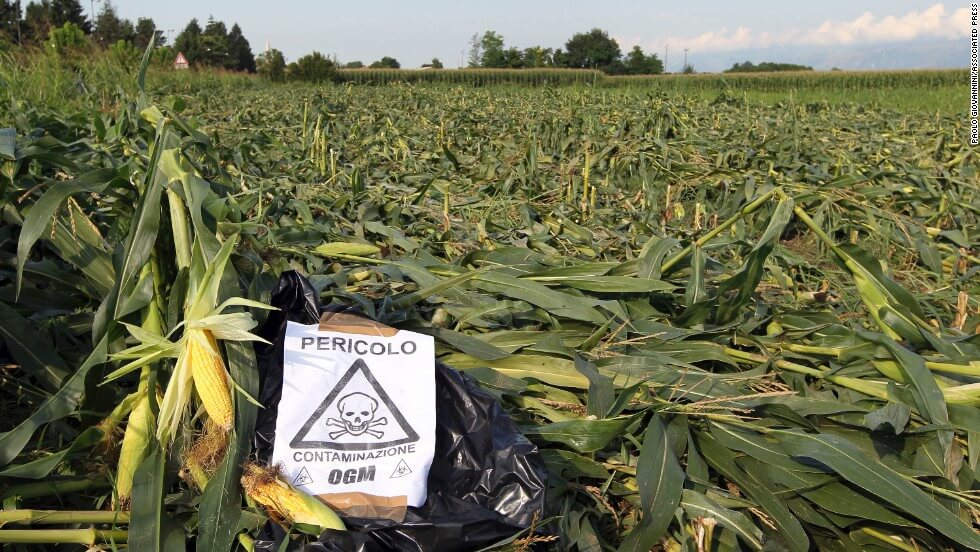
On July 29, 2016, President Obama signed the National Bioengineered Food Disclosure Law, establishing a nationwide standard for disclosing the presence of foods and ingredients from genetically engineered (GE) crops.
…
Under the Disclosure Law, a food manufacturer can choose among different options to disclose the presence of foods or ingredients from GE crops. One option is to use text specified by the USDA on the product’s label…. A second option is to include a symbol, which will be developed by the USDA, on the food package….
The third option is disclosure through an electronic or digital link on the package (such as a QR code, bar code, or SmartLabel). The link would take the consumer to a website containing whatever information the USDA requires the manufacturer to disclose.
…
The goal of the Disclosure Law is to provide a nationwide standard for food producers to inform customers about the foods and ingredients that come from GE crops. The mandatory disclosures have nothing to do with the safety of those foods or ingredients.
Precise “chemical surgery” has been performed on human embryos to remove disease in a world first, Chinese researchers have told the BBC.
The team at Sun Yat-sen University used a technique called base editing to correct a single error out of the three billion “letters” of our genetic code.
They altered lab-made embryos to remove the disease beta-thalassemia. The embryos were not implanted.
…
Base editing alters the fundamental building blocks of DNA: the four bases adenine, cytosine, guanine and thymine.
…
The potentially life-threatening blood disorder beta-thalassemia is caused by a change to a single base in the genetic code – known as a point mutation.
The team in China edited it back.
They scanned DNA for the error then converted a G to an A, correcting the fault
…
Junjiu Huang, one of the researchers, told the BBC News website: “We are the first to demonstrate the feasibility of curing genetic disease in human embryos by base editor system.”
He said their study opens new avenues for treating patients and preventing babies being born with beta-thalassemia, “and even other inherited diseases”.
The experiments were performed in tissues taken from a patient with the blood disorder and in human embryos made through cloning.
The GLP aggregated and excerpted this blog/article to reflect the diversity of news, opinion, and analysis. Read full, original post: DNA surgery on embryos removes disease
Patients who lose consciousness for more than a year are considered extremely unlikely to regain it, but a 35-year-old Frenchman who had been in a vegetative state for 15 years has shown hints of awareness after having key brain regions electrically stimulated, scientists reported on [September 25]. The patient was able to follow an object with his eyes, turn his head when asked to, and widened his eyes in surprise when a researcher’s head came close to his face — none of which he did in a vegetative state.
…
He became minimally conscious, responding to some signals from the outside world, after a month of having his vagus nerve — which runs from the abdomen to the brain, where it has numerous connections to regions that the researchers call “a hot zone for conscious awareness” — stimulated with a device implanted in his chest.
…
Brain recordings offered additional evidence that something significant had changed, however. The man had stronger brainwaves called a theta signal, which is absent in the vegetative state but present with minimal consciousness.
…
[Lead researcher Angela] Sirigu is confident the man did not go from a vegetative state to minimal consciousness spontaneously. His partial recovery coincided with the vagus stimulation, and after 15 years it seemed unlikely his improvement was due to anything else.
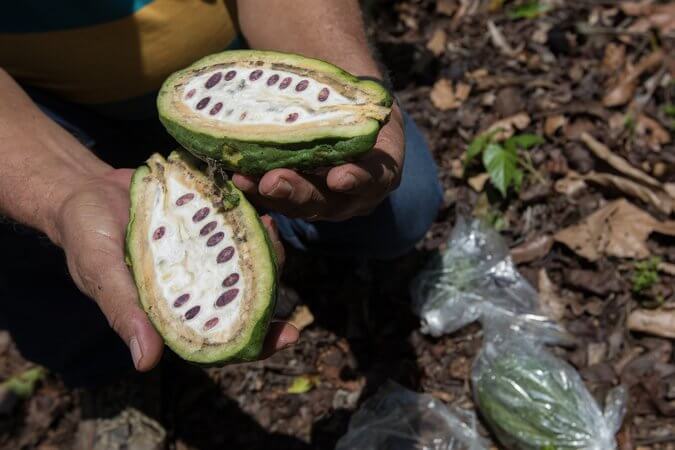
[F]ew cacao varieties are widely cultivated, and that’s a problem: Like many other crops, cacao is under constant threat from diseases and environmental challenges exacerbated by our tendency to grow only a few varieties with similar or identical genetic traits and defects.
…
In the early 1980s, Dr. Phillips-Mora worked to identify the most naturally tolerant and productive cacao trees, then painstakingly hybridized the candidates to create novel varieties.
…
In terms of disease resistance and yield, the differences were astonishing. Dr. Phillips-Mora’s six hybrids produce on average about three times more cacao than standard varieties; under ideal conditions, the most prolific hybrids can produce six times more cacao.
After an 11-year trial, a hybrid called C.A.T.I.E.-R6 experienced a 5 percent frosty pod rot infection rate, compared to 75 percent infection for a control variety….Trees that buck this trend could make the family business look more enticing to the next generation of cacao growers.
With all the money we as a society spend on sleep, from $7 billion on beds per year (in the U.S. alone) to nearly 9 million Americans on prescription sleep treatments, to over $1 billion on over-the-counter or alternative sleep therapies and activities, you’d sure think we were all well-rested. I’ve provided some neuroscientific lectures to sleep centers on some of the reasons we think people need to sleep – including the adenosine hypothesis, homeostasis, memory consolidation, parasympathetic restoration of the body, and so forth – but none of the experts in the field are at a consensus of why sleep actually needs to occur. I wrote an article on how losing out on sleep can potentially have epigenetic effects on one’s genome, which could be one factor of many as to why chronic sleep deficits are related to a litany of health problems and diseases.
Does ‘forcing’ sleep work?
Most of the so-called ‘Z’ sleep therapies (zolpidem, eszopiclone, zaleplon), including Lunesta, Ambien, Intermezzo, Sonata, etc. are non-benzodiazepine class drugs that are GABA receptor agonists – they work by modulating neurotransmitters. More recently, a new class of sleep drug (known as orexin receptor antagonists) has been approved (such as Belsomra). Orexin (also called hypocretin) is a neuropeptide produced by neurons in the hypothalamus that induces wakefulness and vigilance (among some other physiological factors). It was identified in part because some humans and animals with narcolepsy are deficient in orthorexin-producing neurons in the brain.
Virtually all medications for sleep work on neurotransmitters, to change our balance of tiredness and vigilance. Even the antihistamines Benadryl (diphenhydramine) and doxylamine succinate are used in a tremendous number of OTC sleep medications, and do produce marked drowsiness in many people. In this way, the antihistamine passes the blood-brain barrier to affect histamine’s regulation of sleep and wakefulness in the brain, inducing sleepiness. Since so many people use so many of these interventions to try to improve sleep, it begs the question ‘how good is the actual quality of the sleep?’
Placebo and sleep
It turns out that there’s a fairly substantial placebo effect within sleep itself. Telling people that they slept longer or more deeply than they actually did, or that results of a (fictitious) sleep EEG were more positive than they actually were leads people to be able to think more quickly and respond more positively to questions about alertness and restedness. Even sleep medications, though approved by statistical superiority compared against placebo, have a very small effect magnitude on sleep itself, and is intertwined with a strong placebo effect. Seeing a physician and filling a prescription for a sleep medication and then taking it at bedtime is a whole chain of behaviors that includes expectancy and formality that a sleeping routine is commencing. But clearly if the entire need for sleep could be eliminated by placebo, we would have evolved a way not to lay dormant and vulnerable for a third of each of our days a long, long time ago. In the distant past, sleep was a risky proposition for early humans and our ancestors, and it’s not much of an energy-saver: Estimates are that sleeping rather than staying awake for the same amount of time only saves about a hundred or so calories.
So we have an interesting irony in society now: We no longer have to congregate in communities for protection and don’t consider sleep a risky endeavor that we need to undertake nonetheless; but we have the technology instead to try to replace or enhance sleep by artificial means. Can drug therapies – from the Z-class drugs, to OTCs, to (in the case of Michael Jackson) propofol (with benzodiazepines) – really be used to force ‘real’ sleep to occur? Does it count? Is it a substantial replacement, or just a short-term workaround? There is research indicating that some stages of sleep seem to be relatively well-recreated by anesthetics and hypnotics, however: they don’t replace all phases of sleep, the sleep quality is not always as substantive, and not every drug treatment affects sleep stages in the same way. Unfortunately, one of the most powerful effects of sleep is to consolidate and reinforce memories, and many sleep aids are associated with impaired memory or memory loss.
So as with everything in nature, there is a balance between risk and benefit, help and hindrance. The act of sleep and artificially assisting sleep are not on the whole a zero-sum game. Artificially inducing sleep can be considered by some to be worth pursuing, even in light of the potential side effects, including parasomnias and other effects. Likewise, to forgo treatment for chronic or acute sleep concerns can be associated with its own health consequences.
What is interesting about sleep is that for something that we’re all invested in spending so much money and time on, sleep hygiene — and quantifying our individual sleep lives — is something that is still quite nascent, and I think is something likely to take a dramatic upswing in the next few years.
Ben Locwin is a behavioral neuroscientist and astrophysicist with a masters in business, and a researcher on the genetics of human disease. BIO. Follow him on Twitter @BenLocwin.
As resistance to antibiotics grows in the U.S., researchers are looking for new ways to fight germs like Clostridium difficile, a bacterium that can cause fatal infections in hospitals and nursing homes. One way to do that: a “CRISPR pill” that instructs harmful bacteria to self-destruct.
…
To do it, [food scientist Jan-Peter Van Pijkeren] is developing bacteriophage capable of carrying a customized CRISPR message. On their own, the bacteriophage would quickly get broken down by stomach acid. So to get the viruses into a person, Van Pijkeren plans to add them to a cocktail of innocuous bacteria, or probiotic, that a person could swallow as a pill or a liquid. […] Van Pijkeren says the probiotic is still in early stages of development and hasn’t been tested in animals. However, researchers have previously shown that using bacteriophages to trigger CRISPR can efficiently kill skin bacteria.
…
The appeal of using CRISPR is that such drugs would be very specific—theoretically, they would kill a single species of germ while leaving beneficial bacteria intact. Broad-spectrum antibiotics, by contrast, kill off large swaths of both good and bad bacteria. In fact, the overuse and abuse of conventional antibiotics is what leads to resistance in the first place.
The GLP aggregated and excerpted this blog/article to reflect the diversity of news, opinion, and analysis. Read full, original post: Edible CRISPR Could Replace Antibiotics
Onerous and expensive regulations have denied farmers’ access to new and existing Genetically Modified (GM) crop varieties and reduced their profitability while stifling the industry’s capacity to innovate, a regulatory review has been told.
Long-time GM cropping advocate and outspoken WA farmer Bill Crabtree has outlined his chief concerns about the negative social and economic impacts on agriculture, of the heavy-handed legal regime governing farm biotechnology, in a pointed submission to a fresh examination of Australia’s Gene Technology Scheme (GTS).
Mr Crabtree said the Office of the Gene Technology Regulator’s (OGTR) mandate was to ensure the continued protection of human health and safety – one of the review’s primary points of examination.
But he said the “powerful GM tool” has been produced globally for 20 years without causing any harm and could have made “much difference” to Australian agriculture….
Bill Crabtree
“As a passionate supporter and global champion of sustainable no-tillage agriculture, I believe this is a catastrophe for Australian agriculture,” he said while adding the GTS had also stifled agricultural innovation.
…
“As a practicing farmer and agronomist and a champion for sustainable agriculture and winner of the 2009 Federal McKell Medal, I write to express my frustration over the impact of this regulatory process.”
Politico offered the following headline, The great nutrient collapse, The atmosphere is literally changing the food we eat, for the worse. The article that followed reviewed a meta-analysis that was thought-provoking but did not go as far as Politico’s enticing header.
…
[While] the bottom line in the meta-analysis is that rising atmospheric CO2 alters the composition of plants, the Politico article leaves out some of the subtlety of the findings.
The changes in the range of about an 8% decrease in mineral composition were found in CO2 concentrations of 689 ppm. Lower CO2 ppm were associated with more moderate reductions, extrapolating to our current levels, the mineral decrease was perhaps 4%.
The mineral decreases were greater in the leafy components of the plants, not the edible portions so again the actual mineral decrease in the plants entering our food chain is lower, say a 2% decrease
…
[Irakli] Loladze [the meta-analysis’ author] goes on to argue that the increasing carbohydrate component of plants could be responsible for the increased weight gain in the population. The article makes clear that this is conjecture, a thought experiment. Politico misses that subtlety. The paper includes the concerns of the peer reviewers, who initially rejected the paper.
In June, the US Environmental Protection Agency (EPA) registered four Monsanto-produced “SMARTSTAX PRO” products, aimed at controlling corn rootworm.
This usually isn’t a big deal. But in this case, the products’ ability to control corn rootworm is based on a ribonucleic acid interference technology (RNAi). That means there’s no gene editing and no manipulation of anything a plant (or animal) doesn’t already do.
But news organizations, including Science magazine’s front news section, declared that the EPA approved the products “quietly,” and noted that “the EPA only allowed for 15 days of public comment, and the agency did not post its proposed decision in the Federal Register.”
The EPA has done this before, usually because other federal agencies would have taken the lead on approving a new pesticide product. And this this case, that’s what happened: Monsanto submitted its application for MON87411 (the regulatory name for SmartStax Pro) in 2013 to the FDA which cleared it nearly one year later, and USDA’s Animal and Plant Health Inspection Service announced the product’s non-regulated status (how the USDA signals its approval) in 2015. EPA’s approval was required because this was the first time an RNAi product was a pesticide.
Predictably, the procedure drew some criticism from anti-GMO groups, such as the Earth Island Institute, which incorrectly called it a transgenic corn. While an article’s headline on RNAi crops claims that not enough is known, the body of the article acknowledges that RNAi isn’t at all new. But the group, as well as the Center for Food Safety, presented their objections:
The FDA has already completed its voluntary assessment and found that it presents no concerns. Dr. Margaret Mellon, a consultant to the Center for Food Safety who considers herself “a thoughtful critic of the technology,” described the FDA’s review as “superficial.” “FDA didn’t consider any risks specific to the RNAi process, including the possibility off-target effects,” she said. “dsRNA can turn off many more genes than intended, and in many cases the changes will be subtle.
What kind of GMO is SMARTSTAX?
This new product isn’t entirely a GMO — not by the way the unscientific term is used by anti-GM activists and others. The new addition of RNAi is not transgenic (because it introduces nothing from another species into the corn).
The RNAi was added to a product that had previously been approved by regulators, and is GMO (more appropriately known as transgenic): the SmartStax is a combination of two genes that express Cry3Bb1 and Cry34Ab1/Cry35Ab1. The new SmartStax PRO also expresses those two genes. But it also adds the RNAi.
The product is a strip of double stranded RNA called DvSnf7 dsRNA. Most RNA is single-stranded, which makes it more versatile to do its job—transmit genetic information from DNA into making proteins. But dsRNA exists naturally, and it does a corollary of this job—it interferes with the ability of DNA and some RNAs to create protein. It can slow down or completely stop the production of gene expression products, like proteins. And cells do this all the time, as a part of their regulation of gene expression.
In the case of corn rootworm, the DvSnf7 dsRNA doesn’t do anything to genes in the corn. It’s designed to silence a gene in the rootworm itself. The RNA isn’t very large (about 968 nucleotide bases) and it targets the Snf7 gene in corn rootworm (also known as Diabrotica virgifera; hence the name). The rootworm’s RNAi machinery recognizes the RNA, and decreases expression of proteins by the Snf7 gene. This reduces growth of the rootworm and ultimately kills the pest.
SmartStax PRO, largely thanks to the DvSnf7 RNAi addition, works better than the “GMO” SmartStax. While the older product could reduce root damage at all but one location in this study by Monsanto, Dow and University of Nebraska researchers, SmartStax PRO reduced damage at all test locations, even when there was evidence of resistance to one of the Cry proteins. The RNAi addition reduced emerging rootworm by 80 to 90 percent.
What’s also significant is that this targeted gene is in the rootworm, and only in the rootworm. It’s not in the corn, not in a cow that might eat feed corn, and it’s not in humans.
Another significant point is that most RNAi activity is literally walled off in cells. As writer Sterling Ericsson wrote in a piece published in the GLP in 2016, RNA would have to breakthrough physical cell walls, and evade RNA-degrading structures like lysosomes.
This comes at an important time, as corn rootworm is recognized by farmers and regulators as “a billion-dollar pest.” It indeed causes $1 billion in damage to corn each year just in the United States, first by eating corn roots in the insect’s larval stage, and then by feeding on corn leaves and silks in its adult, beetle-like stage. Before genetic modifications of any kind, corn rootworm was subjected to soil insecticides, such as chlorpyrifos, carbaryl, or permethrin, according to Purdue University. These, of course, presented a number of environmental problems. Corn also started to resist these insecticides. When transgenic Bt corn was introduced, the innovation at first stemmed the encroachment of rootworms, but, like any pesticide, resistance began appearing in Bt corn as well. The new SmartStax products do include Bt as well as the new RNAi trait.
This is not the first time RNAi’s shown up as a part of our food chain. It’s been approved to help prevent browning in the Arctic Apple, enhance the nutrition of alfalfa and soy, and helped plants resist certain viruses. In pharmaceuticals, it’s been an integral part of drug development, including a number of new cancer drugs currently undergoing clinical trials.
The 2006 Nobel Prize in Physiology or Medicine was awarded to Andrew Fire and Craig Mello “for their discovery of RNA interference – gene silencing by double-stranded RNA,” based on a 1998 paper in Nature announcing the discovery of how RNAi degraded messenger RNA from a specific gene. Especially after 2006, RNAi become a hot drug target among pharmaceutical firms. However, a few early clinical trials showed no effect or extreme immune responses, and, with additional pressures from a slumping economy and changes in the pharma business, many firms dumped their RNAi programs.
And for food, the latest Monsanto product show the first RNAi approved pesticide, and several other food-related RNAi technologies are in the works, including soybeans that make omega-3 fatty acid rich oils, or an insecticide that kills the varroa mite associated with honeybee hive collapses.
And resistance to even RNAi is still possible, and farmers have been encouraged in general (and not just when using genetically modified crops) to set aside “refuge” areas planted with non-GM varieties, and rotating crops, to keep resistance genes off their guard.
Andrew Porterfield is a writer, editor and communications consultant for academic institutions, companies and non-profits in the life sciences. He is based in Camarillo, California. Follow @AMPorterfield on Twitter.
A protein common on some types of cancer cell turns out to be the same one that in other circumstances allows the poliovirus to latch on to its host.
The discovery that the protein – known as CD155 – plays a role in both diseases has led to a leap forward in explaining earlier research that found that a modified poliovirus – the type used in the manufacture of vaccines – attacks tumour cells.
The ability of modified polioviruses to both attack tumour cells and simultaneously induce the body’s own immune response was first noted some years ago. It and several other modified viruses, including herpes simplex type 1, adenovirus and measles, are the subject of much research to determine their effectiveness at tackling brain cancer.
First, the poliovirus attaches to the CD155 protein, infecting and killing many tumour cells. This prompts the tumour cells to release antigens.
The immune system response to this is modified and amplified by the second stage of the poliovirus assault. The virus confronts dendritic cells and phages. The dendritic cells prompt T-cells to launch a defensive action against the polio-infected tumour cells.
The GLP aggregated and excerpted this blog/article to reflect the diversity of news, opinion, and analysis. Read full, original post: How polio can fight cancer
Within hours of entering the world, little Sebastiana Manuel’s entire body froze in a rigid spasm. Her neck twisted, her face turned blue, and one side of her body stiffened as if someone were yanking her violently.
…
Dr. Stephen Kingsmore launched a genomics institute at [Rady Children’s Hospital] designed to help babies like her. From any infant younger than 4 months who has a sickness that can’t be explained, Kingsmore’s team takes a vial of blood to run a genetic test. Within days, they sequence the entire genome of the baby.
…
Sebastiana’s DNA told him that an antiseizure drug different from those that doctors normally use–one that is rarely used in infants–would be more effective at treating her seizures. […]Once he made the switch, she became more alert, responding to her parents and eating as any healthy infant would. And her seizures stopped.
…
If Kingsmore gets his way, mapping the DNA of these babies will one day be as standard as ordering a blood test. These infants often carry the answer to their own mystery illnesses in their very DNA; it’s just a matter of recognizing and reading the genetic clues.
Thanks to the relatively new field of pharmacogenomics — which the National Human Genome Research Institute defines as the use of “information about a person’s genetic makeup to choose the drugs and drug doses that are likely to work best for that particular person” — doctors can potentially bypass some of the “trial and error” phase traditionally inherent in prescribing antidepressant medication.
…
Using a small sample of a patient’s blood, doctors can run cytochrome P450 (CYP450) tests to help determine how a patient’s body processes and metabolizes drugs, [psychiatrist Dr. Barnell] Phillips said.
How quickly or how slowly a patient metabolizes medicine will have a potential impact on the medication’s efficacy and the severity of side effects.
“I can look at a patient’s CYP450 numbers and then look at the collective patient data of a medication I’m considering to see how that medication interacted with people who had a similar CYP450 profile,” said Phillips.
…
For instance, if a doctor is considering prescribing a selective serotonin reuptake inhibitior (SSRI) to treat depression, anxiety or personality disorder, Pathway Genomics will analyze five specific genes (CYP2D6, CYP3A4, SLC6A4, CYP2C19, HTR2A) and then offer predictive guidance as to which medication(s) in what dosages are most likely to be effective.
The GLP aggregated and excerpted this blog/article to reflect the diversity of news, opinion, and analysis. Read full, original post:Depressed? Genetics affect how drugs work
[Editor’s note: Michael White is a professor of genetics at Washington University in St. Louis.]
America, we’ve had a long history of people in positions of privilege and power who argue that innate biological differences between races or sexes explain why our society is unequal.
…
[I]t turns out that most of the genetic differences among races are really only skin deep. One of the most important scientific findings in recent decades is that the vast majority of genetic diversity among humans is shared by all races. In other words, there are very few genetic variants — distinct versions of a gene — that are present in one race while completely absent from another.
…
When it comes to differences between the sexes, genetics has little bearing. The only genetic difference between men and women is the male-specific portion of the Y chromosome. The vast majority of the millions of distinct DNA variants among humans aren’t on the Y chromosome, and are thus shared among men and women.
…
It makes little sense to speculate about innate biological causes of racial and gender inequality, backed by little or no evidence, while downplaying the much more firmly grounded social explanations.
Our biology is, without question, an important part of who we are. But biology can’t explain or excuse why women and non-whites are treated unequally in our society.
Monsanto Co. invited dozens of weed scientists to a summit this week to win backing for a controversial herbicide but many have declined, threatening the company’s efforts to convince regulators the product is safe to use.
Monsanto faces a barrage of lawsuits over its dicamba herbicide and risks of tighter restrictions on its use, after the chemical drifted away from where it was sprayed this summer and damaged nearby crops unable to tolerate it.
Arkansas and Missouri suffered the most complaints of U.S. states with damage linked to dicamba. Weed scientists from the two states declined to attend the summit on concerns about Monsanto’s response to the incident.
The company plans to present data at the summit that it says show user error was behind the damage, contrary to academics’ findings that dicamba products can vaporize and move off target under certain conditions in a process known as volatilization.
Missing will be Kevin Bradley, a University of Missouri plant sciences professor who has tracked the number of crop acres nationwide that have been hurt by dicamba sprayings. Bradley said he believed Monsanto was not willing to discuss volatilization.
…
Reuters contacted 10 scientists who were invited. Of these, three said they would attend and seven said they would not, for reasons including scheduling conflicts.
People forced to avoid gluten could soon have their bread (and cake) and eat it. Now there are strains of wheat that do not produce the forms of gluten that trigger a dangerous immune reaction in as many as 1 in 100 people.
Because the new strains still contain some kinds of gluten, though, the wheat can still be used to bake bread. “It’s regarded as being pretty good, certainly better than anything on the gluten-free shelves,” says Jan Chojecki of PBL-Ventures in the UK, who is working with investors in North America to market products made with this wheat.
…
Not all gluten proteins trigger [a response]: the main culprit is a group called gliadins. So Francisco Barro’s team at the Institute for Sustainable Agriculture in Cordoba, Spain, set about getting rid of them.
They used a genetic modification technique to remove 90 percent of the gliadins in wheat. They did this by adding genes that trigger a process called RNA interference, which stops specific proteins being made. But because the gliadin genes themselves remain intact, in theory, there is a risk that the wheat could start making the crucial proteins again.
So Barro’s team next tried using CRISPR gene-editing to get rid of the genes entirely.
…
More genes need to be disabled before the CRISPR strain is ready for testing, but it should be worth all the effort: the team have already shown that the GM wheat strain makes an acceptable bread.
Postpartum depression has become more visible as celebrity moms including Brooke Shields, Drew Barrymore and Chrissy Teigen have publicly shared their struggles with feeling sad and hopeless after birth. But when a father – Adam Busby, from reality TV show “OutDaughtered” – recently opened up about his own postpartum depression, he received instant backlash, including comments telling him to “man up.”
Despite the skepticism, postpartum depression in fathers is very real, with estimates that around 10 percent of men report symptoms of depression following the birth of a child, about double the typical rate of depression in males. Postpartum depression in women has been linked with hormonal shifts, but the role of hormones in men’s postpartum depression has been unknown.
In an attempt to solve this mystery, my colleagues and I recently tested whether men’s levels of the hormone testosterone are related to their postpartum depression risk during early parenthood. We found that men’s testosterone levels might predict not only their own postpartum depression risk, but their partner’s depression risk as well.
Testosterone levels in flux through life changes
Cotton top tamarin babies get care from both parents. Eric Kilby, CC BY-SA
Testosterone is an androgen hormone, responsible for the development and maintenance of male secondary sex characteristics. It promotes muscle mass and body hair growth, and motivates sexual arousal and competitive behavior.
Many studies have found that testosterone dips in new fathers across the animal kingdom. Among animals that engage in the biparental care of offspring – Mongolian gerbils, Djungarian hamsters, California mice and cotton-top tamarins – males show lower testosterone levels following the birth of pups.
Human males also often show declines in testosterone around the birth of their infants. In one of the largest studies of testosterone and fatherhood, anthropologist Lee Gettler and his colleagues followed over 600 single men in the Philippines for about five years. If men became partnered fathers during that time, their testosterone levels decreased more than the men who stayed single. Gettler also found that fathers who spent more time with their children showed lower testosterone, suggesting that testosterone may be suppressed by paternal caregiving.
Along similar lines, psychologist Robin Edelstein and I found that men assessed repeatedly over their partner’s pregnancy showed declining testosterone levels from early to late pregnancy. Men whose testosterone dropped more dramatically were more likely to report postpartum commitment and investment in their romantic relationships with their partners.
Researchers still haven’t identified exactly what causes men’s testosterone to change over the transition to parenthood. Possible suspects include proximity to the partner or infant, increased stress or disrupted sleep and exercise routines.
Lower testosterone, higher depression
How does the birth of a baby affect a father’s testosterone and his mental health? szefei/Shutterstock.com
Previous research has linked testosterone with men’s depression levels in general. Low testosterone may contribute to the feelings of lethargy and disinterest in normally pleasurable activities that characterize depression. In fact, some psychiatrists have even suggested prescribing testosterone supplements to treat depression in men. However, no studies had specifically looked at the potential role of testosterone in fathers’ postpartum depression.
My colleagues and I analyzed data from the Community Child Health Research Network, a National Institutes of Health-funded study of new parents’ health and well-being. The study recruited moms after the birth of an infant and followed them for several years, along with their partners. At one of the study sites, in Lake County, Illinois, men also provided saliva samples for testosterone analysis when their infants were around nine months old. Both moms and dads reported on their symptoms of depression several times across the first few years of parenthood.
We found that dads with lower testosterone reported feeling more depressed. This fits with other research into how testosterone and depression work together. But ours is the first study to observe this relationship specifically in fathers of infants. Given that many men show drops in testosterone over the transition to parenthood, this finding may help explain why the postpartum period is such a high-risk time for depression in men.
An unexpected side effect – for the moms
We were surprised when we examined links between men’s testosterone and their partners’ depression. Yes, low testosterone seemed to put men at higher risk for depressive symptoms. But men’s levels had the opposite effect for their partners: Women with lower-testosterone partners actually reported fewer symptoms of depression. Why would that be?
We tested one possible explanation by looking at how women rated their relationships. It turned out that moms paired with low-testosterone men reported higher relationship satisfaction, and their higher relationship satisfaction predicted lower rates of depressive symptoms.
In other words, having a low-testosterone mate might make for a better-quality relationship, in turn reducing the likelihood that women will become depressed. We know social support from a partner can protect women against developing postpartum depression, so our finding fits with that research. Lower-testosterone men may be more dedicated to their relationships or spend more time with children, helping to relieve some of the pressure on moms.
At around 15 months postpartum, we also checked moms’ ratings of whether their partners hurt, threatened, yelled at or insulted them. If men had higher testosterone, moms reported higher levels of intimate partner aggression about six months later. Testosterone is associated with more aggressive and competitive behavior. Our finding shows a potential dark side to high testosterone in the postpartum period.
Dads also told us about their parenting stress at 15 months postpartum, reporting on emotions such as feeling trapped by parenting responsibilities, believing their children made too many demands on them and lacking warm feelings toward their children. At first, we didn’t find a link between men’s testosterone levels and their parenting stress. But after we statistically controlled for the relationship between low testosterone and depression, we saw that higher testosterone put men at greater risk of experiencing problems in the parenting relationship. This result suggests that, once you adjust for their potentially lower risk of depression, high-testosterone men may find parenting to be more stressful.
A happy medium for testosterone?
Our results suggest that fathers of infants might be at risk at both sides of the postpartum testosterone spectrum. At low levels, they might be more vulnerable to depression. But at high levels, they might have less satisfying and more aggressive relationships, less happy partners and more parenting stress. In terms of resilience to depression and stress, men with average levels of postpartum testosterone seemed to fare best.
Our findings reveal that men’s postpartum testosterone has a complex relationship with family health. From an evolutionary perspective, lower testosterone during the transition to parenthood may help motivate men to invest in their family. In the animal kingdom, lower-testosterone males spend more time with infant pups and show less aggression toward them. So it makes sense that human males would show shifts in testosterone as they adapt to parenthood.
New parenthood is hard, whether you’re a man or a woman. Natalie Broach, CC BY-NC-ND
But these shifts may make men more vulnerable to mood disorder symptoms. Perhaps this is because lower-testosterone men are taking a more hands-on role in the family and helping more with infant care. Their contributions are great news from the family’s perspective, but may put men at heightened risk of some of the same depressive symptoms that many new mothers face.
After all, caring for infants is hard, draining work. In modern industrialized societies like the United States, many new parents lack the extended family support networks that can help lighten the burden of childcare. And in the U.S., paternity leave is a rarity, and many dads struggle with family-unfriendly work arrangements that drain time and energy. Just as new moms can feel overwhelmed and isolated after spending long hours tending to their babies, so too can dads.
If new dads (or moms) are experiencing depressed moods after the birth of their infants, they can take some comfort in the fact that these feelings are normal – and may even be rooted in our evolutionary biology. There’s no shame in seeking help, whether it’s talking to a friend, prioritizing sleep and exercise, or visiting a therapist. Postpartum depression affects the whole family and should be taken seriously.
Darby Saxbe is an Assistant Professor of Psychology at University of Southern California. She studies the association between family conflict and adolescent development, including cortisol patterns and neural responses to social and emotional stimuli.
Sadly, a woman’s tragic story– recently all over the news– plays out in the real world more often than people may realize. The devastating tale of Carrie DeKlyen who just died after succumbing to brain cancer, which was discovered after becoming pregnant and declining certain treatments to protect her unborn baby, ends with more misfortune. The baby she continued to carry beyond her own lost consciousness, who was born prematurely as a result, has also died.
…
The discovery of the pregnancy made her ineligible for experimental therapies and chemotherapy. She opted to continue with the pregnancy of her sixth child and forgo these treatments that would be contraindicated for her baby.
…
Unfortunately, there are a number of situations where moms develop conditions that warrant significant interventions while pregnant. The choices can be impossible ones. They vary substantially. Some treatments may pose minimal risk to the infant and can genuinely save the mother. […] The answer of next steps is not always obvious and rarely simple. All chemotherapies and their effects are not alike. Some can pose less adverse effects to the baby, while others could be catastrophic ranging from short- and long-term disability to fetal demise or premature labor etc.
Italy intends to vote against the [European] Commission’s proposal to renew for 10 years the market authorization for glyphosate, the active ingredient in Monsanto’s widely used RoundUp weedkiller, according an official familiar with Rome’s position.
“We are nearing elections and politically the government does not want to pick a fight on such a sensitive dossier where both media and public opinion associate glyphosate with evil,” the official said.
The confirmation of a negative vote from one of the EU’s food industry powerhouses comes days after France declared it also intends to vote against, and less than 10 days before national experts are expected to discuss the Commission’s proposal on October 5 and 6.
…
[During the last meeting of the European Commission’s Standing Committee on Plants, Animals, Food and Feed in July] Italy did not give its position on the renewal, nor did other big hitters such as France, Poland and Spain. Germany expressed its support for the extension in July.
In 2015, the International Agency for Research on Cancer concluded glyphosate was a probable carcinogen. Both the European Food Safety Authority and European Chemicals Agency, however, ruled that it was safe.
Okanagan Specialty Fruits (OSF) is gearing up for the first commercial crop of its non-browning apples this autumn.
Marketed under the Arctic Apples brand, the genetically modified fruit, which is engineered to resist browning when sliced, has already caused quite a stir in the US since being trialed through consumer research and taste tests earlier this year.
The apples have been engineered using a gene silencing technique to dramatically reduce the production of polyphenol oxidase (PPO), an enzyme that triggers the chemical reaction that causes browning when the fruit is sliced or bruised.
According to OSF, a small agricultural biotech company based in Summerland, British Columbia, this is a precise change that doesn’t alter the other characteristics of the fruit.
…
Three non-browning varieties have been approved for sale in the US: Golden, Granny and Fuji. Gala is next in line, with additional varieties being introduced further ahead.
This season the apples will be available in 10oz grab-n-go bags but other value-added formats are also under development.
…
The apples will be available in a few dozen stores from October to December, or until supplies run out.
The GLP aggregated and excerpted this article to reflect the diversity of news, opinion and analysis. Read full, original post: Non-browning apples land in US stores







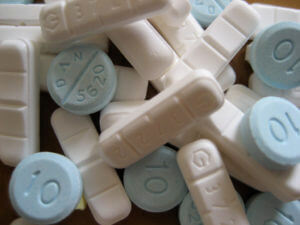
 So we have an interesting irony in society now: We no longer have to congregate in communities for protection and don’t consider sleep a risky endeavor that we need to undertake nonetheless; but we have the technology instead to try to replace or enhance sleep by artificial means. Can drug therapies – from the Z-class drugs, to OTCs, to (in the case of Michael Jackson) propofol (with benzodiazepines) – really be used to force ‘real’ sleep to occur? Does it count? Is it a substantial replacement, or just a short-term workaround? There is research indicating that some stages of sleep seem to be relatively well-recreated by anesthetics and hypnotics, however: they don’t replace all phases of sleep, the