Improving the health of dairy cows using gene edited breeding–What are the issues?

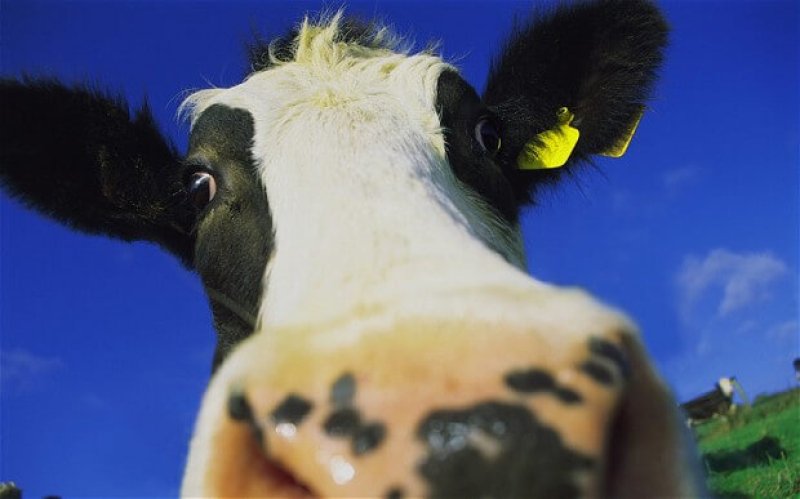
freisan cow b

How society regards the use of genetic modification and genome editing can have a significant influence on how these technologies are regulated by authorities and on the pace of technological advancement. In a review published in the Journal of Dairy Science authors from the Swedish University of Agricultural Sciences discuss potential applications of genetic modification and genome editing of cattle for food production, considering both the breeding program and its ethical aspects.

In their study, three geneticists and one ethicist focused on two potential applications within cattle; namely, genome editing to create dairy cows without horns (“polled” dairy cows) and genetic modification to improve udder health. Both approaches could be seen as beneficial for animal welfare, but in the former case, a genetic variant already present within the species is introduced, whereas in the latter case, a gene not found in cattle is inserted into the bovine genome.

Potential drawbacks include unexpected abnormalities in embryos or calves that arise from the use of advanced reproduction techniques in the gene editing and genetic modification procedures. Ethical questions also exist regarding the “naturalness” of either method, maintenance of the bovine genome, and respect for the cow’s life and well-being. Addressing these issues will help shape public perceptions and advance the science of genetic modification and genome editing.

Read full, original post: Genetic modification and genome editing rely on active roles for researchers and industry

{{ reviewsTotal }}{{ options.labels.singularReviewCountLabel }}
{{ reviewsTotal }}{{ options.labels.pluralReviewCountLabel }}
{{ options.labels.newReviewButton }}
{{ userData.canReview.message }}

Related Articles

Infographic: Global regulatory and health research agencies on whether glyphosate causes cancer

Infographic: Global regulatory and health research agencies on whether glyphosate causes cancer

Does glyphosate—the world's most heavily-used herbicide—pose serious harm to humans? Is it carcinogenic? Those issues are of both legal and ...

Most Popular

Picture1-5
Science Disinformation Gap: The transatlantic battle over social media and censorship
Screenshot-2026-04-23-at-11.00.36-AM
Regulators' dilemma: Thalidomide, Metformin, and the cost of getting drug approvals wrong
ChatGPT-Image-May-12-2026-08_39_41-PM
GLP podcast: Big Pharma, Big Ag, Big Food—health harming industries or life-saving innovators?
Screenshot-2026-05-12-at-9.58.31-PM
'He seems fine': Marty Makary out as FDA commissioner
ChatGPT Image May 10, 2026, 08_16_59 PM 2
Overmedicalization? RFK Jr.’s antidepressant crackdown raises conflict questions over his fee stake in Wisner Baum, the tort firm built on suing drug makers
Picture1-1
Cooling the planet with balloons: Could a geoengineering gamble slow global warming?
Screenshot-2026-05-12-at-10.05.11-AM
Pro-vaccine “hero” vs. an anti-vax “villain”: ‘Bad Vaxx’ video stirs MAHA backlash
Screenshot-2026-05-11-104424
Hantavirus outbreak research: Trump administration shut down study last year on rodent-to-human transmission
ChatGPT Image May 12, 2026, 10_19_00 AM 2
Viewpoint— 'Muscular governance': How authoritarianism is surging corporate-linked energy misinformation
S
As vaccine rejectionism spreads, measles may be taking a more dangerous turn
Screenshot-2026-05-01-at-1.29.41-PM
Viewpoint: What happens when whole grains meet modern food manufacturing? Labels don’t tell the whole story.
Picture1-14
When superbugs threaten vulnerable children: Can AI help solve antibiotic resistance?
ChatGPT-Image-Apr-13-2026-02_20_22-PM
Viewpoint: Misinformation infodemic? Why assessing evidence is so challenging 
glp menu logo outlined

Get news on human & agricultural genetics and biotechnology delivered to your inbox.