IARC defends methodology, ‘probably carcinogenic’ glyphosate designation against criticisms

Screen Shot at AM e

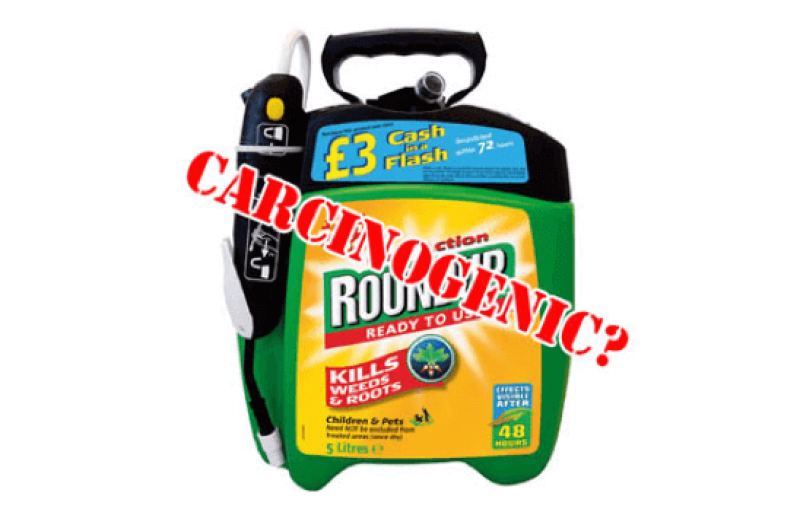
The World Health Organization’s cancer agency is firmly defending its finding that a widely used herbicide is “probably carcinogenic” despite reports cited by key House lawmakers.

…

[Oregon Rep. Suzanne Bonamici] entered into the hearing record a series of responses IARC Director Christopher Wild has sent to the panel in recent months.

Wild specifically criticized two stories from Reuters reporter Kate Kelland that suggested the evaluation, known as a monograph, excluded key information.

…

One claimed that Aaron Blair, a U.S. National Cancer Institute epidemiologist who led the glyphosate review, excluded from the assessment forthcoming research that he knew would find no link between the herbicide and cancer.


That was because “IARC Monographs are based on independent scientific review of published and not on the basis of unpublished or ‘secret data’ unavailable publicly,” Wild explained in a Nov. 20, 2017, letter.

…

The other story from last year flagged by Science Committee leaders claimed that IARC omitted evidence that went against its conclusion that glyphosate likely causes cancer in humans and edited a draft review significantly before it was released to the public.

But most of the differences between that draft and the final monograph “specifically relate to a review article” that litigation against Monsanto Co., which uses glyphosate in its popular Roundup herbicides, revealed was ghostwritten by the company, Wild said.

Read full, original post: WHO rebuts GOP, media on glyphosate cancer warning

Related Articles

Infographic: Global regulatory and health research agencies on whether glyphosate causes cancer

Infographic: Global regulatory and health research agencies on whether glyphosate causes cancer

Does glyphosate—the world's most heavily-used herbicide—pose serious harm to humans? Is it carcinogenic? Those issues are of both legal and ...

Most Popular

ChatGPT-Image-Mar-10-2026-01_39_01-PM
Viewpoint—“Miracle molecule” debunked: Why acemannan supplements don’t work
Screenshot-2026-09-17-at-1.07.08-PM
'We are dangerously addicted to antidepressants': Should we heed RFK Jr.’s sobering warning?
Screenshot-2026-09-03-at-10.51.20-AM
Viewpoint: Why do online health lies outlive the evidence that debunks them? Read "Everyone Else Is Lying to You"
ChatGPT-Image-Sep-23-2026-01_52_03-PM
Viewpoint: 4 very real AI doomsday scenarios
ChatGPT-Image-Sep-2-2026-02_03_32-PM
How much of a problem is AI’s water use?
ChatGPT-Image-Sep-22-2026-10_32_46-AM
There has been a slew of recent reports of food recalls and foodborne outbreaks. Do we face an escalating problem?
ChatGPT-Image-Aug-26-2026-12_46_16-PM
Viewpoint: The fake controversy over whether combining childhood vaccines is dangerous— a debate science resolved 25 years ago
Screenshot-2026-09-23-at-11.55.01-AM
How can we know if social media bans actually help teens?
Screenshot-2026-09-23-at-3.15.09-PM
Anti-GMO activists in Pakistan rev up their campaign of dire warnings
Screenshot-2026-09-22-at-11.40.28-AM
After Idaho criminalized abortion providers in 2022, one-third of obstetricians fled. Health care advocates are making rural health the case for repealing the ban
Screenshot-2026-09-17-at-12.00.30-PM
Investigative group ProPublica finds links between ectopic pregnancy deaths and abortion bans
ChatGPT-Image-Sep-17-2026-12_28_43-PM
Vitamin D, omega-3 fish oil and glucosamine supplements could cause brain damage 
glp menu logo outlined

Get news on human & agricultural genetics and biotechnology delivered to your inbox.