Brain-machine interfaces: Biology and body upgrades on the way. How will we handle them?

brain machine

Upgrading our biology may sound like science fiction, but attempts to improve humanity actually date back thousands of years. Every day, we enhance ourselves through seemingly mundane activities such as exercising, meditating, or consuming performance-enhancing drugs, such as caffeine or adderall. However, the tools with which we upgrade our biology are improving at an accelerating rate and becoming increasingly invasive.

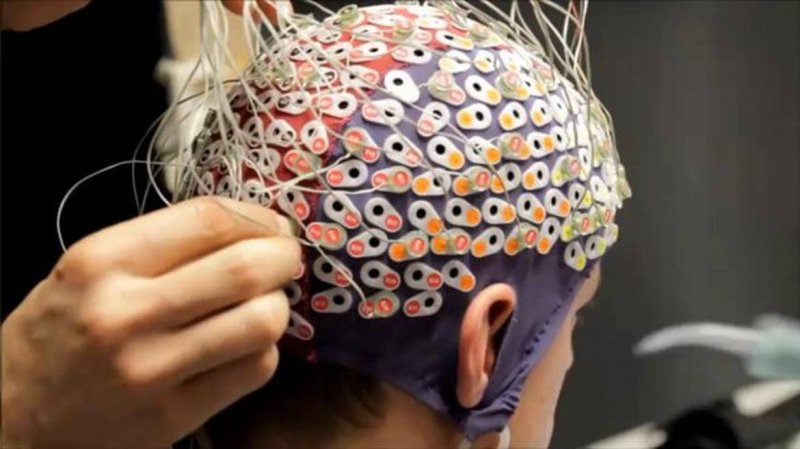
Not long ago, Elon Musk announced a new company, Neuralink, with the goal of merging the human mind with AI. The past few years have seen remarkable developments in both the hardware and software of brain-machine interfaces. Experts are designing more intricate electrodes while programming better algorithms to interpret neural signals. Scientists have already succeeded in enabling paralyzed patients to type with their minds, and are even allowing brains to communicate with one another purely through brainwaves.

[A] major ethical concern is equality. As with any other emerging technology, there are valid concerns that cognitive enhancement tech will benefit only the wealthy, thus exacerbating current inequalities.

It’s important to discuss these risks, not so that we begin to fear and avoid such technologies, but so that we continue to advance in a way that minimizes harm and allows us to optimize the benefits.

Read full, original post: The Power to Upgrade Our Own Biology Is in Sight—But Is Society Ready for Human Enhancement?

{{ reviewsTotal }}{{ options.labels.singularReviewCountLabel }}
{{ reviewsTotal }}{{ options.labels.pluralReviewCountLabel }}
{{ options.labels.newReviewButton }}
{{ userData.canReview.message }}

Related Articles

Infographic: Global regulatory and health research agencies on whether glyphosate causes cancer

Infographic: Global regulatory and health research agencies on whether glyphosate causes cancer

Does glyphosate—the world's most heavily-used herbicide—pose serious harm to humans? Is it carcinogenic? Those issues are of both legal and ...

Most Popular

Screenshot-2026-04-14-at-11.11.06-AM
‘Turbo cancer’ or mRNA cancer cure? Strategies to counter misinformation
ChatGPT Image May 28, 2026, 08_16_38 PM
Viewpoint: Why the EPA mismeasures cancer risk of chemicals and what should be done to fix it
ChatGPT-Image-May-22-2026-10_56_42-AM-2
‘It’s not super useful’: As wariness about AI grows, Trump proposes rollback of healthcare safeguards
ChatGPT-Image-Mar-10-2026-01_39_01-PM
Viewpoint—“Miracle molecule” debunked: Why acemannan supplements don’t work
Screenshot 2025-11-12 at 12.00
‘Biotech Barbie' Manhattan Project: Will CRISPR babies escape the shadow of He Jiankui?
fda_logo_decimated
Viewpoint: RFK, Jr.’s FDA is on a screaming downward path—and why it may never recover
Screenshot 2025-07-30 at 10.48
Can gene editing eliminate Down syndrome? Scientists have done it in lab-grown cells

Sorry. No data so far.

glp menu logo outlined

Get news on human & agricultural genetics and biotechnology delivered to your inbox.