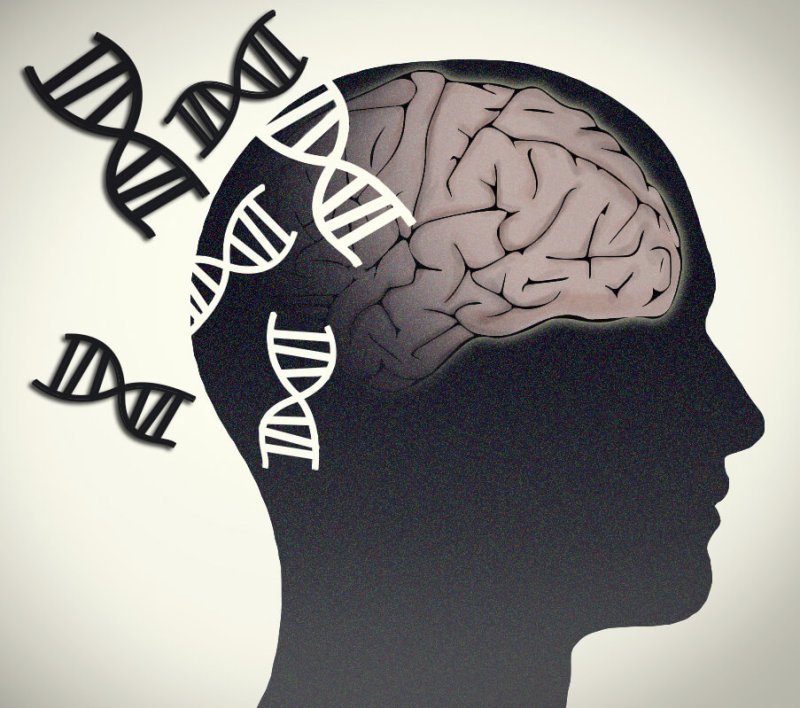
Cutting gene therapy side effects by finding a better delivery system to the brain

gene

Researchers have found a structure on the small viruses that deliver gene therapy that makes them better at crossing from the bloodstream into the brain.

This is a key factor for administering gene therapies at lower doses to treat brain and spinal disorders, which could reduce the number of adverse side effects, researchers say.

The study, which appears in Molecular Therapy, examined adeno-associated viruses (AAVs), the most commonly used virus vectors for delivering gene therapies. The natural forms of these small viruses normally infect people without causing disease. For gene therapies, scientists remove most of the AAV genome, replace it with therapeutic genetic cargo, and inject trillions of copies into the patient.

[T]hey isolated a closely spaced set of just eight amino acids on the viral coating that confers the ability to cross the blood-brain barrier efficiently. “Grafting that structural footprint onto another AAV strain enables it to cross into the brain much more easily,” [researcher Blake] Albright says.

The finding suggests that other AAVs used for a gene therapy targeting the brain or spinal cord might be improved by having the same or a similar set of amino acids. It would cross the blood-brain barrier more efficiently, and thus in principle would require a smaller dose to achieve therapeutic effects in the brain.

Read full, original post: Better way into brain could cut gene therapy side effects

{{ reviewsTotal }}{{ options.labels.singularReviewCountLabel }}
{{ reviewsTotal }}{{ options.labels.pluralReviewCountLabel }}
{{ options.labels.newReviewButton }}
{{ userData.canReview.message }}

Related Articles

Infographic: Global regulatory and health research agencies on whether glyphosate causes cancer

Infographic: Global regulatory and health research agencies on whether glyphosate causes cancer

Does glyphosate—the world's most heavily-used herbicide—pose serious harm to humans? Is it carcinogenic? Those issues are of both legal and ...

Most Popular

Screenshot 2026-05-26 at 10.15
Viewpoint: Double standard—Why does the wellness industry get a free pass while Big Healthcare is treated as morally suspect?
Screenshot-2026-06-03-at-3.33.44-PM
Viewpoint: Vaccine deniers are attacking a life-saving Vitamin K shot for newborns that isn’t even a vaccine
Screenshot-2026-06-05-at-1.44.09-PM
Viewpoint: Scientists have scrapped the worst-case climate scenario. Is that proof that climate change is a hoax, as Trump claims?
px extra strength tylenol and tylenol pm
Why ‘null-findings’ on Tylenol’s safety for pregnant women barely move the needle on countering misinformation
Screenshot-2026-06-08-at-10.19.30-AM
‘Natural’ wellness supplements linked to liver injury
Screenshot-2026-06-08-at-1.35.30-PM
Viewpoint: Social media and fake natural health propaganda fuel surge in use of mostly useless supplements
ChatGPT-Image-Jun-10-2026-12_57_24-PM
Viewpoint: Why gene-editing babies is moral and certain to happen
ChatGPT-Image-May-28-2026-12_56_54-PM
Viewpoint: Vaccines' non-specific effects? The ‘shoddy’ Danish couple whose 'research’ inspires RFK, Jr.’s health delusion
Credit: ACSH
Viewpoint: Who and what’s to blame for the surge in vaccine-preventable diseases?
Screenshot 2025-08-25 203032
Mazzenga’s 20-year old muscles: How a still-going-strong 92-year old sprinter wins every race she enters
Screenshot-2026-06-05-at-2.12.30-PM
Some plants can poison you. So how did humans figure out what is safe to eat?
ChatGPT Image May 26, 2026, 08_42_17 AM (1)
Viewpoint: Greenpeace and poison: How environmental advocacy groups rely on compliant (and often ignorant) journalists to spread disinformation and spark litigation
Screen Shot at AM
Facts & Fallacies Podcast: Right-wing politics bad for your health? Separating speculation from science

glp menu logo outlined

Get news on human & agricultural genetics and biotechnology delivered to your inbox.