Landmark cancer tumor drug Keytruda hampered by glitches

keytruda x

A landmark cancer drug approved last year seemed to herald a long-anticipated change in the treatment of some tumours: with medicines selected on the basis of molecular markers, rather than the tissue in which the cancer first took root. But clinicians and researchers are struggling to put that theory into practice. Although the drug itself works well in a variety of tumour types, some of the tests used to identify the molecular markers, it turns out, do not.

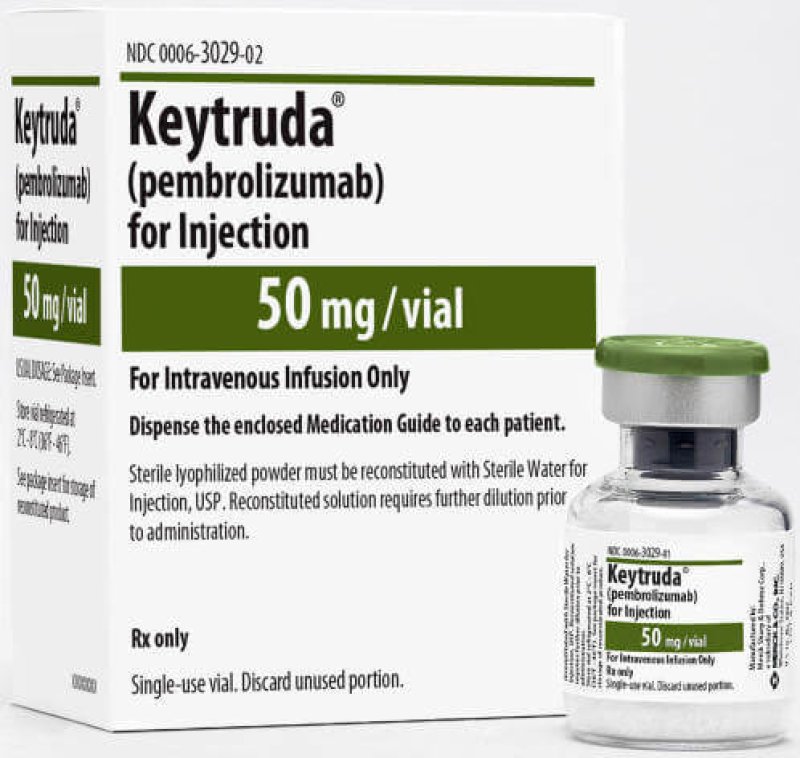
The drug in question, pembrolizumab (Keytruda), works by firing up the body’s immune responses against tumours.

[T]he three kinds of tests commonly used to look for the DNA damage that arises from that defect can produce conflicting results, says Heather Hampel, a genetic counsellor at Ohio State University in Columbus. One relies on PCR, a process that amplifies specific regions of the genome; a second looks for certain proteins; and a third relies on DNA sequencing. “Which is the best? Is any positive on any test sufficient?” Hampel says. “Does that mean you should try them all? No one wants to miss a patient who might benefit from pembrolizumab.”

Eventually, some of these issues will be ironed out, says [oncologist] Michael Overman.

[T]he FDA was wise to move forward with the approval rather than wait for more evidence to sort out the issues with the molecular marker tests, he says.

Read full, original post: Cutting-edge cancer drug hobbled by diagnostic test confusion

{{ reviewsTotal }}{{ options.labels.singularReviewCountLabel }}
{{ reviewsTotal }}{{ options.labels.pluralReviewCountLabel }}
{{ options.labels.newReviewButton }}
{{ userData.canReview.message }}

Related Articles

Infographic: Global regulatory and health research agencies on whether glyphosate causes cancer

Infographic: Global regulatory and health research agencies on whether glyphosate causes cancer

Does glyphosate—the world's most heavily-used herbicide—pose serious harm to humans? Is it carcinogenic? Those issues are of both legal and ...

Most Popular

Picture1-5
Science Disinformation Gap: The transatlantic battle over social media and censorship
ChatGPT Image May 10, 2026, 08_16_59 PM 2
Overmedicalization? RFK Jr.’s antidepressant crackdown raises conflict questions over his fee stake in Wisner Baum, the tort firm built on suing drug makers
Picture1-1
Cooling the planet with balloons: Could a geoengineering gamble slow global warming?
Screenshot-2026-05-11-104424
Hantavirus outbreak research: Trump administration shut down study last year on rodent-to-human transmission
Picture1-14
When superbugs threaten vulnerable children: Can AI help solve antibiotic resistance?
Screenshot 2026-05-11 at 11.30
Despite politicized disinformation, Midwest AI data centers are fueling a solar energy boom
ChatGPT-Image-Apr-13-2026-02_20_22-PM
Viewpoint: Misinformation infodemic? Why assessing evidence is so challenging 
Screenshot-2026-05-08-at-3.40.33-PM
Seeds of power: China turns to genetic engineering to become global superpower
S
As vaccine rejectionism spreads, measles may be taking a more dangerous turn
images
The never-ending GMO debate: Pros and cons
glp menu logo outlined

Get news on human & agricultural genetics and biotechnology delivered to your inbox.