Viewpoint: Food companies’ ‘meaningless’ non-GMO labels insult farmers, threaten food sustainability

The conditions that will befall our food system require innovative solutions like those offered by biotechnology to ensure food security for the billions of Earth’s inhabitants.

That’s why it’s troubling to see the growing trend of food companies using meaningless terms and confusing assertions in their labeling efforts (many of which fear monger against biotechnology). While they may be generating greater profit, they are exploiting consumer unease, thereby making it more difficult to foster public support for badly-needed investments in an innovative food system that will help our grandchildren live in a better world.

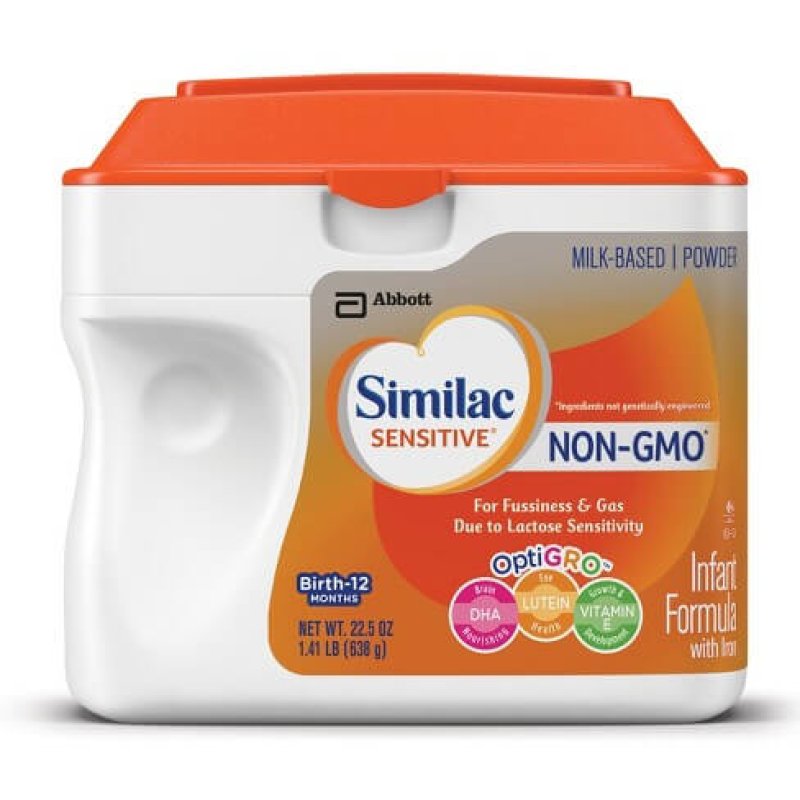
A recent study found that approximately 45 percent of U.S. citizens thought that GMOs should be prohibited no matter the benefits associated with the technique. This is concerning because the vast majority of scientists say that GMOs are safe. However, large food companies are taking advantage of consumers’ fears and adding meaningless absence claims to their front-of-package labeling. In fact, they are slapping GMO-free labels on products that never contained GMOs to begin with: milk, pink rock salt, etc.

These meaningless labels come at the expense of farmers who rely on biotechnology to make a living and produce the food you eat in a more environmentally sustainable manner.

Editor’s note: Brandon McFadden is a University of Florida professor who focuses on consumer behavior and food production

Read full, original post: Don’t let food companies scare you about GMOs | Opinion

{{ reviewsTotal }}{{ options.labels.singularReviewCountLabel }}
{{ reviewsTotal }}{{ options.labels.pluralReviewCountLabel }}
{{ options.labels.newReviewButton }}
{{ userData.canReview.message }}

Related Articles

Infographic: Global regulatory and health research agencies on whether glyphosate causes cancer

Infographic: Global regulatory and health research agencies on whether glyphosate causes cancer

Does glyphosate—the world's most heavily-used herbicide—pose serious harm to humans? Is it carcinogenic? Those issues are of both legal and ...

Most Popular

Screenshot-2026-04-13-at-1.39.26-PM
Viewpoint: ‘Safer for children?’ Stonyfield yogurt under fire for deceptive organic marketing
Screenshot-2026-04-22-at-10.46.29-AM
Viewpoint: How to counter science disinformation? Science journalist offers 12 practical tips
ChatGPT-Image-May-7-2026-12_16_37-PM-2
Viewpoint: Are cancer rates ‘skyrocketing’ as RFK, Jr. and MAHA claim? The evidence says mostly the opposite
Picture1-14
When superbugs threaten vulnerable children: Can AI help solve antibiotic resistance?
ChatGPT-Image-May-12-2026-08_39_41-PM
GLP podcast: Big Pharma, Big Ag, Big Food—health harming industries or life-saving innovators?
Screenshot-2026-04-23-at-11.00.36-AM
Regulators' dilemma: Thalidomide, Metformin, and the cost of getting drug approvals wrong
Picture1-1
Cooling the planet with balloons: Could a geoengineering gamble slow global warming?
png-pill-omega-Supp-fish-oil
Millions take omega-3 fish oil for brain health. New research suggests it may do the opposite.
bigstock opioids on chalkboard with rol
GLP podcast: 'Safe injection sites': enabling drug addiction or saving lives?
glp menu logo outlined

Get news on human & agricultural genetics and biotechnology delivered to your inbox.