Genetic engineering has ‘enormous potential’ to solve environmental problems in Africa, scientists say

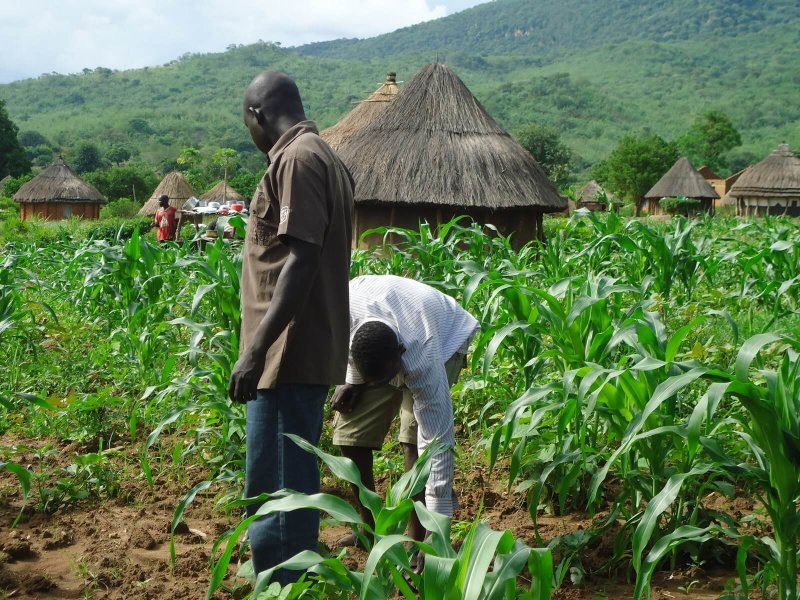
farmers
Credit: AgroBusiness Nigeria
[S]cientists and government officials, in a series of exclusive interviews with the Alliance for Science, opined that biotechnology is one of the technologies that could help Nigeria solve some of its most pressing environmental problems.

Yerima Peter Tarfa, director of the Department for Climate Change in the Federal Ministry of Environment, said biotechnology — if rightly applied — holds enormous potentials for environmental conservation. He described it as a platform technology that may significantly contribute to climate change mitigation and adaptation.

[Rose Gidado, Nigeria Chapter country coordinator for the Open Forum on Agricultural Biotechnology (OFAB) in Africa] highlighted numerous environmental and social gains that the nation stands to make by embracing biotech in revamping its agricultural sector.

“Biotechnology can make a tremendous contribution to combating climate change by reducing the environmental impact of productive agriculture,” Gidado said. “This includes a significant reduction in pesticide use, savings on fossil fuels, decreasing CO2 emissions through no or less plowing, and conserving soil and moisture by optimizing the practice of no till through the use of crops with herbicide tolerant traits.”

Read full, original post: Experts say biotech can help Nigeria’s environment

{{ reviewsTotal }}{{ options.labels.singularReviewCountLabel }}
{{ reviewsTotal }}{{ options.labels.pluralReviewCountLabel }}
{{ options.labels.newReviewButton }}
{{ userData.canReview.message }}

Related Articles

Infographic: Global regulatory and health research agencies on whether glyphosate causes cancer

Infographic: Global regulatory and health research agencies on whether glyphosate causes cancer

Does glyphosate—the world's most heavily-used herbicide—pose serious harm to humans? Is it carcinogenic? Those issues are of both legal and ...

Most Popular

Screenshot-2026-05-01-at-1.29.41-PM
Viewpoint: What happens when whole grains meet modern food manufacturing? Labels don’t tell the whole story.
S
As vaccine rejectionism spreads, measles may be taking a more dangerous turn
Screenshot 2026-05-06 at 2.56
Singularity crisis ahead? Can super babies save us from rogue AI geniuses?
Screenshot-2026-05-06-at-2.07.43-PM
Manufacturing a conspiracy: The timeline of how  the White House embraced the fringe claim that scientists are being mysteriously murdered
Screenshot-2026-04-20-at-2.26.27-PM
Viewpoint — Food-fear world: The latest activist scientists campaign: Cancer-causing additives
Screenshot-2026-04-30-at-2.19.37-PM
5 myths about summer dehydration that could damage your health — or even kill you
Screenshot-2026-03-13-at-12.14.04-PM
The FDA wants to make many popular prescription drugs OTC—a great idea. Here’s why it’s unlikely to happen
ChatGPT-Image-May-6-2026-03_41_05-PM
‘Protecting the integrity of science’: Kennedy’s FDA blocks release of taxpayer-funded studies finding COVID and shingles vaccines safe
Screenshot-2026-04-12-135256
Bixonimania: The fake disease scam that AI swallowed whole
Screenshot-2026-05-01-at-11.56.24-AM
‘Science moves forward when people are willing to think differently’: Memories of DNA maverick Craig Venter
Screenshot-2026-04-03-at-11.15.51-AM
Paraben panic: How a flawed study, media hype, and chemophobia convinced the public of the danger of one of the safest classes of preservatives
glp menu logo outlined

Get news on human & agricultural genetics and biotechnology delivered to your inbox.