Viewpoint: Why ‘do-it-yourself’ genetic testing is a dangerous game

andme custom f f b bcfab eedf fca s c
Image: Meredith Rizzo/NPR

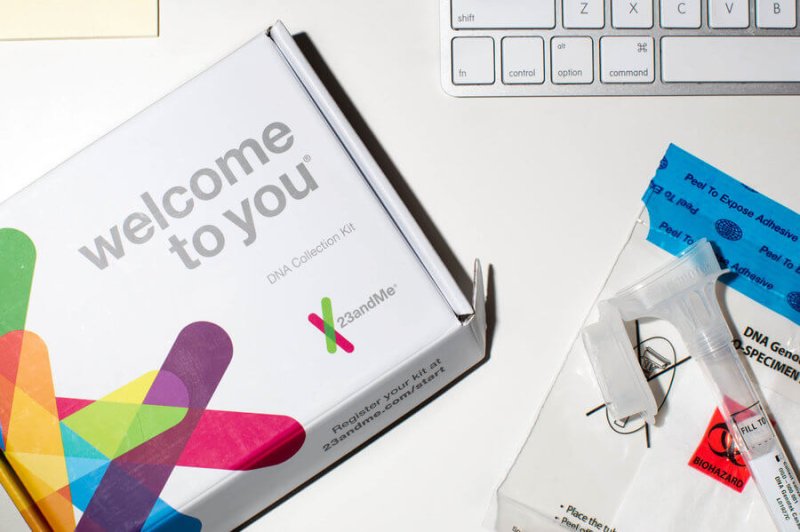
A few years back, I learned of a patient who had her DNA tested by one company and then interpreted by another. She sought help when data from the third-party company suggested she was at increased genetic risk for breast cancer. Concern over what had been identified in the interpretation report ultimately led this patient to see a genetic counselor — a trained professional who can advise on the genetic risks for various diseases. The counselor eventually determined the result was nothing to worry about.

For me, this “false positive” case raised red flags about a sometimes dodgy do-it-youself world of genetics.

[T[he validity of genetic tests to which consumers have direct access remains questionable. In fact, a recent article by scientists at one of the clinical testing labs that medical providers rely on reported that approximately 40 percent of results reported from raw DNA interpretation were incorrect.

Genetic counselors, meanwhile, are frustrated. The message from commercial testing companies has led to unrealistic expectations from consumers about what they can learn about themselves. It’s challenging for counselors to correct misconceptions, especially when they are met with resistance from patients.

If 2017 was the year commercial direct-to-consumer testing exploded, 2018 may be the year users rethink the value of this gift — or at least how to use it.

Editor’s note: Catharine Wang is a behavioral scientist at Boston University

Read full, original post: The dodgy world of do-it-yourself genetics

{{ reviewsTotal }}{{ options.labels.singularReviewCountLabel }}
{{ reviewsTotal }}{{ options.labels.pluralReviewCountLabel }}
{{ options.labels.newReviewButton }}
{{ userData.canReview.message }}

Related Articles

Infographic: Global regulatory and health research agencies on whether glyphosate causes cancer

Infographic: Global regulatory and health research agencies on whether glyphosate causes cancer

Does glyphosate—the world's most heavily-used herbicide—pose serious harm to humans? Is it carcinogenic? Those issues are of both legal and ...

Most Popular

Screenshot 2026-05-06 at 2.56
Singularity crisis ahead? Can super babies save us from rogue AI geniuses?
Screenshot-2026-03-13-at-12.14.04-PM
The FDA wants to make many popular prescription drugs OTC—a great idea. Here’s why it’s unlikely to happen
Screenshot-2026-04-20-at-2.26.27-PM
Viewpoint — Food-fear world: The latest activist scientists campaign: Cancer-causing additives
Screenshot-2026-05-01-at-11.56.24-AM
‘Science moves forward when people are willing to think differently’: Memories of DNA maverick Craig Venter
images
The never-ending GMO debate: Pros and cons
Screenshot-PM-24
Viewpoint: The herbicide glyphosate isn’t perfect. Banning it would be far worse.
Screenshot-2026-04-30-at-2.19.37-PM
5 myths about summer dehydration that could damage your health — or even kill you
Screenshot-2026-04-03-at-11.15.51-AM
Paraben panic: How a flawed study, media hype, and chemophobia convinced the public of the danger of one of the safest classes of preservatives
Screenshot-2026-05-01-at-1.29.41-PM
Viewpoint: What happens when whole grains meet modern food manufacturing? Labels don’t tell the whole story.
79d03212-2508-45d0-b427-8e9743ff6432
Viewpoint: The Casey Means hustle—Wellness woo opportunism dressed up as medical wisdom
Screenshot-2026-05-06-at-2.07.43-PM
Manufacturing a conspiracy: The timeline of how  the White House embraced the fringe claim that scientists are being mysteriously murdered
glp menu logo outlined

Get news on human & agricultural genetics and biotechnology delivered to your inbox.