Viewpoint: Public genome project would be good for Ireland’s health

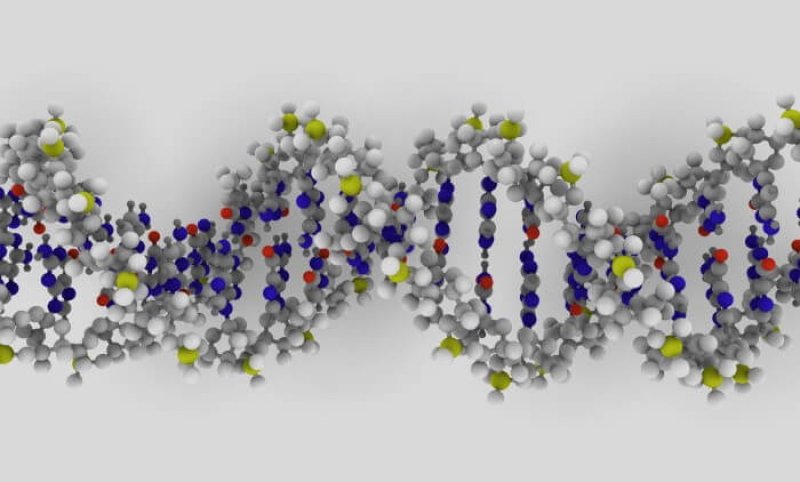
dna sequence
Image credit: Silicon Republic

Ireland needs to join the growing number of countries performing national public genome projects. Our European neighbours in Finland, Denmark, Estonia and England have already embarked on such projects, as have countries like the United States and Japan, with Dubai the most recent to announce that it is joining this pioneering group.

A major justification is that public genome projects will enhance healthcare quality and reduce costs. In Finland one aim is to use genomic information to predict the future risk of type 2 diabetes and cardiovascular disease. By identifying those at most risk, before they develop the disease, Finland hopes to guide targeted interventions and prevent disease onset in 2-5 per cent of people.

The health benefits extend beyond type 2 diabetes or cardiovascular disease. Genomics England is characterising genomes from the seven most common cancers in patients; a similar focus here would substantially improve our ability to diagnose and treat this deadly disease which kills thousands of people on the island of Ireland annually.

Genomics is the new weapon available to us to combat disease and preserve health, while at the same time reducing healthcare costs and creating economic opportunities. Ireland needs to avail of this opportunity by undertaking an all-island, public genome project.

Read full, original post: A public genome project will enhance healthcare quality and reduce costs

{{ reviewsTotal }}{{ options.labels.singularReviewCountLabel }}
{{ reviewsTotal }}{{ options.labels.pluralReviewCountLabel }}
{{ options.labels.newReviewButton }}
{{ userData.canReview.message }}

Related Articles

Infographic: Global regulatory and health research agencies on whether glyphosate causes cancer

Infographic: Global regulatory and health research agencies on whether glyphosate causes cancer

Does glyphosate—the world's most heavily-used herbicide—pose serious harm to humans? Is it carcinogenic? Those issues are of both legal and ...

Most Popular

Screenshot-2026-05-01-at-1.29.41-PM
Viewpoint: What happens when whole grains meet modern food manufacturing? Labels don’t tell the whole story.
ChatGPT-Image-Mar-27-2026-11_47_30-AM-2
FDA’s expedited drug reviews are hailed in some quarters but other approval practices are problematic
ChatGPT-Image-Apr-13-2026-02_20_22-PM
Viewpoint: Misinformation infodemic? Why assessing evidence is so challenging 
Farmers can talk to plants
Farmers are a major source of misinformation—about farming
S
As vaccine rejectionism spreads, measles may be taking a more dangerous turn
What explains Homo sapiens’ huge brains? Ancient climate change played a role
Viewpoint: Internal White House documents detail administration’s strategy to undermine climate science
Screenshot-2026-04-20-at-2.26.27-PM
Viewpoint — Food-fear world: The latest activist scientists campaign: Cancer-causing additives
ChatGPT-Image-May-7-2026-11_28_04-AM-2
‘Conflict entrepreneurs’ are driving disinformation and shaping public opinion
bigstock opioids on chalkboard with rol
GLP podcast: 'Safe injection sites': enabling drug addiction or saving lives?
ChatGPT-Image-May-6-2026-03_41_05-PM
‘Protecting the integrity of science’: Kennedy’s FDA blocks release of taxpayer-funded studies finding COVID and shingles vaccines safe
Screenshot 2026-05-06 at 2.19
Vaccine shootout at the CDC 
Screenshot-2026-05-06-at-2.07.43-PM
Manufacturing a conspiracy: The timeline of how  the White House embraced the fringe claim that scientists are being mysteriously murdered

circular-bioeconomy-should-focus-on-sustainable-wellbeing
GLP podcast: What's wrong with 'doomsday' environmentalism? It's false.

Sorry. No data so far.

glp menu logo outlined

Get news on human & agricultural genetics and biotechnology delivered to your inbox.