Treating brain damage and disorders with ‘wonder material’ graphene

graphene

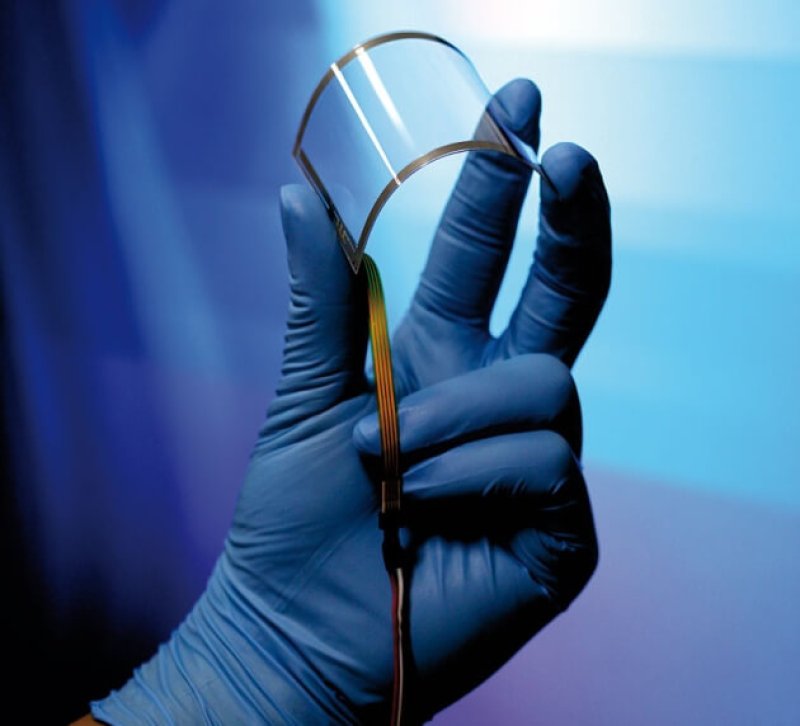
While graphene has been tapped to deliver on everything from electronics to optoelectronics, it’s a bit harder to picture how it may offer a key tool for addressing neurological damage and disorders. But that’s exactly what researchers have been looking at lately because of the wonder material’s conductivity and transparency.

In the most recent development, a team from Europe has offered a deeper understanding of how graphene can be combined with neurological tissue and, in so doing, may have not only given us an additional tool for neurological medicine, but also provided a tool for gaining insights into other biological processes.

[The researchers] have demonstrated that single-layer graphene increases neuronal firing by altering membrane-associated functions in cultured cells.

“These materials are increasingly engineered as components of a variety of applications such as biosensors, interfaces, or drug-delivery platforms,” said [researcher Laura] Ballerini.

“Our work provides important insights on the deep interactions of technology with nature,” said Ballerini. “Novel and outstanding materials might then represent, in general, unconventional and exciting tools to gain insights into genuine biological processes. In turn, biological processes may hint at describing unconventional properties, new physics, and applications of the materials.”

[F]or now Ballerini and her colleagues will focus on the design of a smart device that takes advantage of their expertise in biology and nanomaterials.

Read full, original post: Brains Improved by Graphene Are on the Horizon

{{ reviewsTotal }}{{ options.labels.singularReviewCountLabel }}
{{ reviewsTotal }}{{ options.labels.pluralReviewCountLabel }}
{{ options.labels.noReviewsLabel }}
{{ options.labels.newReviewButton }}
{{ userData.canReview.message }}

Related Articles

Infographic: Global regulatory and health research agencies on whether glyphosate causes cancer

Infographic: Global regulatory and health research agencies on whether glyphosate causes cancer

Does glyphosate—the world's most heavily-used herbicide—pose serious harm to humans? Is it carcinogenic? Those issues are of both legal and ...

Most Popular

Screenshot-2026-07-09-at-1.09.25-PM
Anti-vaccine myths rattle health care
ChatGPT-Image-Mar-10-2026-01_39_01-PM
Viewpoint—“Miracle molecule” debunked: Why acemannan supplements don’t work
Screenshot 2026-07-28 at 3.22
Hidden hunger: Climate change is speeding up the decline of important nutrients in our food
Screenshot 2026-07-22 at 1.38
Viewpoint: Are the U.S. and Europe headed towards a repudiation of agricultural biotechnology red tape?
Screenshot 2026-07-28 at 3.03
What is cyberchondria?
png-terrace-Farm-asia
Europe’s tentative embrace of agricultural gene editing could revolutionize food production and health in Asia
ChatGPT-Image-May-26-2026-11_51_01-AM
Viewpoint: RFK, Jr.’s depressingly misguided (and litigator-funded) crusade against antidepressants
Screenshot 2026-07-28 at 2.04
Viewpoint: How AI supercharges conspiracy theories and oversimplifications to distort online health information
organic scaled
Facts & Fallacies podcast: Organic food cuts pesticide exposure? A response to Dr. Rhonda Patrick
Screenshot-2026-07-27-at-3.23.14-PM
Prioritizing AI, robotics, and nuclear energy: Trump administration is guiding research funding away from independent universities to private companies
ChatGPT-Image-Jun-25-2026-12_23_17-PM
No, Bill Gates did not secretly engineer ticks to promote veganism
ChatGPT-Image-Jul-9-2026-11_33_49-AM
Viewpoint: High-dose resveratrol supplements to extend health and life? Don’t waste your money.
Screenshot 2026-07-27 at 6.15
No test, no tennis: Women’s Tennis Association becomes first major female sports league to require genetic sex testing
glp menu logo outlined

Get news on human & agricultural genetics and biotechnology delivered to your inbox.