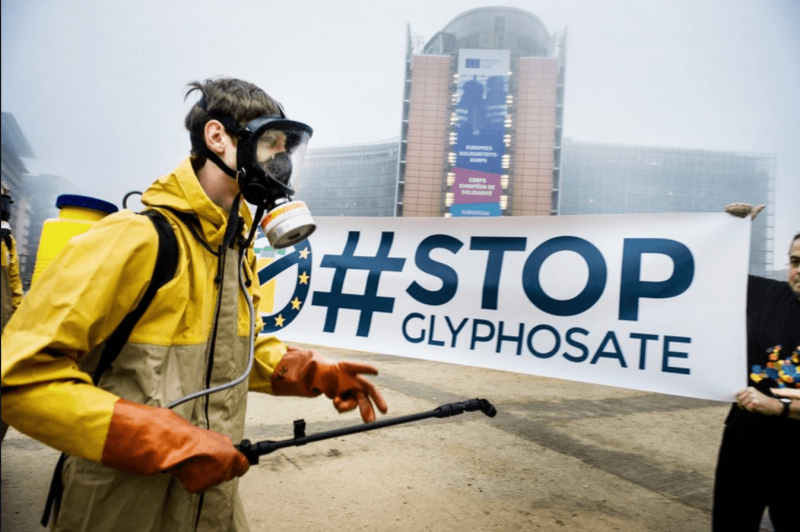

The word ‘evidence’ implies objectivity based on facts and science. But the reality reveals a wide gap between theory and practice, as demonstrated by numerous recent cases, in particular, the glyphosate affair. In the EU, cliché trumps science and emotion win over objectivity – that is my belief.
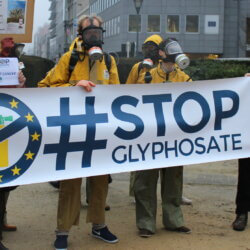
Two questions come immediately to my mind: are a million signatures collected by Greenpeace against glyphosate more important in the eyes of the legislator than the positive opinions given by the European Food Safety Authority (EFSA) and the European Chemicals Agency (ECHA)?
And why, unlike Greenpeace, are the plant protection industry and farming world so incapable of engaging with public opinion and mobilising local networks?
…
The influence of emotion, subjectivity and cliché over EU rules grows constantly, affecting all policies linked to public opinion. The fear is that the worst is yet to come.




…
[I]t is absolutely essential to clarify the exact role of science in regulation, strengthen the credibility of scientific authorities assisting the EU legislator and draw inspiration from (but not duplicate) the US Food and Drug Administration, where genuine scientific expertise prevails over all other considerations.Editor’s note: Daniel Guéguen is a European lobbyist and professor at the College of Europe
Read full, original article: Science-based policy making: reality or fake news?