Monsanto, cancer patient’s lawyers face off on first day of Roundup-glyphosate weed killer trial

YostLawRoundupPAge
Credit: Yost Legal Group

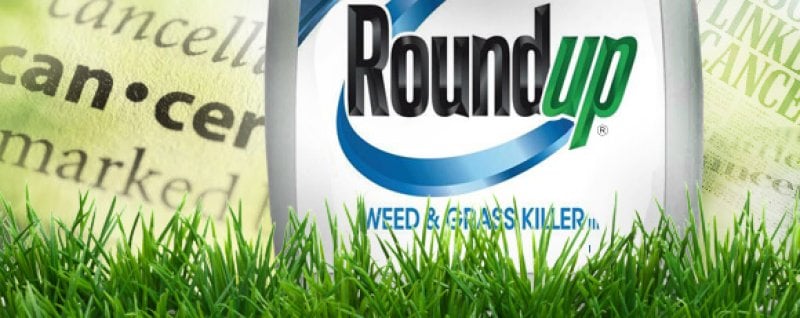
Opening statements began in federal court in San Francisco on [July 9]  in the trial for the first of thousands of lawsuits against Monsanto alleging its weed killer product Roundup causes cancer.

The plaintiff’s opening argument focusing on choice — attorney Brent Wisner telling the jury Monsanto took away his client’s ability to choose by not disclosing the potential dangers of Roundup weed killer.

“If you don’t give someone a choice and somebody gets hurt or, God forbid, gets cancer, then I personally believe and I think you will as well that you should be responsible for the consequences of that,” Wisner said.

Lee Johnson worked for Benicia School District in 2012, becoming the integrative pest manager. Wisner says a large part of Johnson’s job was to spray Roundup — often 50 to 60 gallons at a time. After two years, Johnson developed lesions on his body — later diagnosed as Non-Hodgkins Lymphoma.

The defense says Johnson’s cancer developed long before he used Roundup.

“The scientific evidence is overwhelming that Glyphosate-based products do not cause cancer and did not cause Mr. Johnson’s cancer,” said Monsanto’s defense attorney, George Lombardi.

The single most relevant study, best study, study of human beings who, like Mr. Johnson, are licensed pesticide applicators concluded glyphosate is not associated with Non-Hodgkin’s lymphoma, Mr. Johnson’s cancer,” said Lombardi.

Read full, original article: Opening arguments begin in lawsuit over Roundup weed killer

{{ reviewsTotal }}{{ options.labels.singularReviewCountLabel }}
{{ reviewsTotal }}{{ options.labels.pluralReviewCountLabel }}
{{ options.labels.newReviewButton }}
{{ userData.canReview.message }}

Related Articles

Infographic: Global regulatory and health research agencies on whether glyphosate causes cancer

Infographic: Global regulatory and health research agencies on whether glyphosate causes cancer

Does glyphosate—the world's most heavily-used herbicide—pose serious harm to humans? Is it carcinogenic? Those issues are of both legal and ...

Most Popular

ChatGPT-Image-May-7-2026-12_16_37-PM-2
Viewpoint: Are cancer rates ‘skyrocketing’ as RFK, Jr. and MAHA claims? The evidence says mostly the opposite
Screenshot-2026-04-13-at-1.39.26-PM
Viewpoint: ‘Safer for children?’ Stonyfield yogurt under fire for deceptive organic marketing
Screenshot-2026-04-22-at-10.46.29-AM
Viewpoint: How to counter science disinformation? Science journalist offers 12 practical tips
png-pill-omega-Supp-fish-oil
Millions take omega-3 fish oil for brain health. New research suggests it may do the opposite.
ChatGPT Image May 14, 2026, 09_51_35 PM
Facebook swamped by hundreds of thousands of scam ads for illegal or dangerous medical products
ChatGPT Image May 12, 2026, 01_21_30 PM
How big health brands are funding online medical misinformation 
Screenshot-2026-04-23-at-11.00.36-AM
Regulators' dilemma: Thalidomide, Metformin, and the cost of getting drug approvals wrong
Picture1-1
Cooling the planet with balloons: Could a geoengineering gamble slow global warming?
ChatGPT-Image-May-13-2026-12_43_37-PM-2
Longevity: Is cellular rejuvenation even possible?
Picture1-5
Science Disinformation Gap: The transatlantic battle over social media and censorship
ChatGPT-Image-May-12-2026-08_39_41-PM
GLP podcast: Big Pharma, Big Ag, Big Food—health harming industries or life-saving innovators?

Sorry. No data so far.

glp menu logo outlined

Get news on human & agricultural genetics and biotechnology delivered to your inbox.