Viewpoint: Here’s how the New York Times botched an op-ed about placebos

bunny facebookJumbo
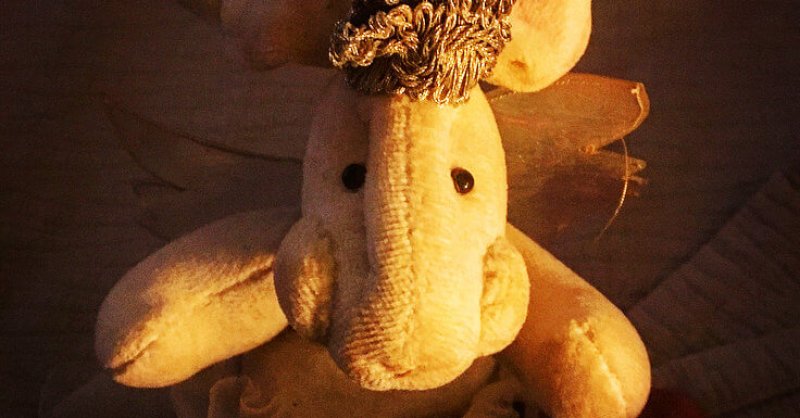
Steve Petrow's stuffed rabbit. Image credit: New York Times

As part of the continuing decline of the New York Times, we have this new op-ed by Steve Petrow, a writer from North Carolina who, the paper says, “is a regular contributor to Well” (the paper’s health column). But this is more about woo than about health.

Petrow’s point is apparently twofold: curative “placebo” effects can result from the use of talismans, amulets, or comforting objects like plush rabbit toys. Further, he says, these objects can soothe one and even make one optimistic. I’m prepared to accept the second claim but not fully the first.

Petrow was apparently cured of testicular cancer when, 34 years ago, he was diagnosed and also given a “velvety rabbit with big floppy ears” named “Fairy God Bunny”. He brought the rabbit to all his appointments and, sure enough, has been cancer-free for decades. Of course, testicular cancer is one of the most curable forms of the disease, and I doubt that a fluffy bunny could have helped him with mesothelioma or pancreatic cancer.

The downside of the Times article is that it doesn’t point out the many failed experiments in which even placebo effects were not useful, and it implies that there is “magic”, which is not really what is going on here. If there is any psychological or even curative effect of amulets and lucky objects, it it purely natural.

Read full, original post: NYT op-ed endorses amulets and other woo for disease

{{ reviewsTotal }}{{ options.labels.singularReviewCountLabel }}
{{ reviewsTotal }}{{ options.labels.pluralReviewCountLabel }}
{{ options.labels.newReviewButton }}
{{ userData.canReview.message }}

Related Articles

Infographic: Global regulatory and health research agencies on whether glyphosate causes cancer

Infographic: Global regulatory and health research agencies on whether glyphosate causes cancer

Does glyphosate—the world's most heavily-used herbicide—pose serious harm to humans? Is it carcinogenic? Those issues are of both legal and ...

Most Popular

Screenshot 2026-05-26 at 10.15
Viewpoint: Double standard—Why does the wellness industry get a free pass while Big Healthcare is treated as morally suspect?
ChatGPT-Image-Jun-4-2026-11_49_36-AM-2
‘You don’t understand Tolkien’: Skeptic Pope trolls tech giants about the exaggerated, risk-less benefits of AI
Screenshot 2025-07-30 at 10.48
Can gene editing eliminate Down syndrome? Scientists have done it in lab-grown cells
Screenshot-2026-06-04-at-12.05.08-PM
Cases of brain inflammation surge as U.S. measles pandemic approaches 2000
ChatGPT-Image-Jun-4-2026-01_27_58-PM
Viewpoint—N.A.D.+: Why Gwenyth Paltrow’s heralded anti-aging supplement doesn’t work
ChatGPT Image May 26, 2026, 08_42_17 AM (1)
Viewpoint: Greenpeace and poison: How environmental advocacy groups rely on compliant (and often ignorant) journalists to spread disinformation and spark litigation
Screenshot-2026-06-03-at-1.24.46-PM
Challenging anti-GMO disinformation: Why genetically-tweaked crops offer bushels of benefits
ChatGPT Image May 26, 2026, 08_21_36 AM
Limiting gender affirming interventions: Trump administration targets Texas even though it already bans youth access
ChatGPT-Image-Mar-10-2026-01_39_01-PM
Viewpoint—“Miracle molecule” debunked: Why acemannan supplements don’t work
ChatGPT-Image-Jun-2-2026-03_04_17-PM
Viewpoint: Why the hyper-promoted doping ‘enhanced games’ pseudo Olympics flopped
ChatGPT-Image-May-26-2026-07_51_21-AM-2
Viewpoint: There are more than 1,000 chemicals in a cup of coffee—including many substances that can cause cancer. Why isn’t it banned?
glp menu logo outlined

Get news on human & agricultural genetics and biotechnology delivered to your inbox.