Viewpoint: Neonics don’t threaten bees, ban could raise food prices, increase toxic insecticide use

Screen Shot at PM

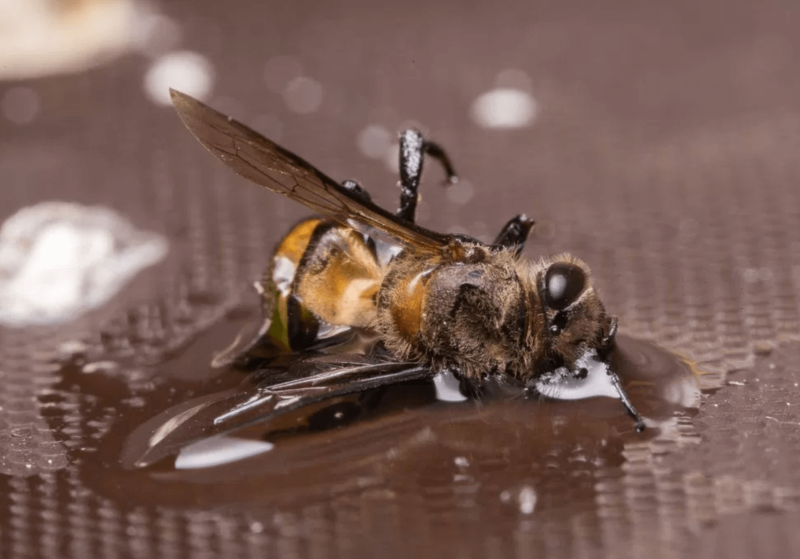
Neonicotinoid insecticides aren’t the problem for bees that activists have made them out to be. In fact, years of monitoring show proper use of neonicotinoids doesn’t harm bees. But a combination of issues do negatively impact bee health, according to experts.

In recent years, changes in colony health and fluctuations in bee numbers have caused concern. Multiple influences have challenged hive health and honeybee populations. These include: the parasitic varroa mite (largest contributor to bee loss); disease; loss of forage diversity; pesticides; adverse weather conditions; and bee nutrition.

Despite this, the number of bee colonies is growing, according to the Agriculture Department.

Researchers from the universities of Wageningen, Ghent and Amsterdam summarized 15 years of research on the hazards of neonicotinoids to bees. While many laboratory studies and other studies applying artificial exposure conditions described sub-lethal and other effects, no adverse effects to bee colonies were ever observed in field studies at field-realistic exposure conditions. Another recent causal analysis of U.S. researchers likewise concludes that neonicotinoids are unlikely to be a cause of honeybee colony losses.

Banning neonics represents serious consequences. If neonicotinoids were no longer available, we’d have major concerns in agriculture — older, more toxic insecticides would be used; operating costs would increase; crop yields would decline; and insect challenges and resistance would occur.

Read full, original article: Column: It’s time to understand and embrace neonicotinoid insecticides

{{ reviewsTotal }}{{ options.labels.singularReviewCountLabel }}
{{ reviewsTotal }}{{ options.labels.pluralReviewCountLabel }}
{{ options.labels.newReviewButton }}
{{ userData.canReview.message }}

Related Articles

Infographic: Global regulatory and health research agencies on whether glyphosate causes cancer

Infographic: Global regulatory and health research agencies on whether glyphosate causes cancer

Does glyphosate—the world's most heavily-used herbicide—pose serious harm to humans? Is it carcinogenic? Those issues are of both legal and ...

Most Popular

Screenshot-PM-24
Viewpoint: The herbicide glyphosate isn’t perfect. Banning it would be far worse.
d-b
Blocked arteries, kidney stones, nausea, constipation, fatigue: Long list of health problems caused by too much vitamin D 
79d03212-2508-45d0-b427-8e9743ff6432
Viewpoint: The Casey Means hustle—Wellness woo opportunism dressed up as medical wisdom
lab grown meat research kelly schultz lehighuniversity main
Profiles of the 10 top global cultured meat companies
ChatGPT-Image-Mar-10-2026-01_39_01-PM
Viewpoint—“Miracle molecule” debunked: Why acemannan supplements don’t work
ChatGPT-Image-Apr-30-2026-05_00_48-PM
Wellness grifter physician turned wellness influencer out as surgeon general nominee
ChatGPT-Image-Apr-30-2026-12_21_05-PM-2
The tech billionaires behind the immortality movement
ChatGPT-Image-Mar-27-2026-11_27_05-AM
The myths of “process”: What science says about the “dangers’ of synthetic products and ultra-processed foods
Screenshot-2026-04-28-at-1.21.37-PM
How America’s medical system encourages psychiatric overdiagnosis
Screenshot-2026-04-30-at-11.33.46-AM
Anti-seed-oil to anti-vax pipeline: MAHA movement spreads to teen influencers

Sorry. No data so far.

glp menu logo outlined

Get news on human & agricultural genetics and biotechnology delivered to your inbox.