Study sparks fresh debate over an old theory on the cause of Alzheimer’s

Alzheimer’s

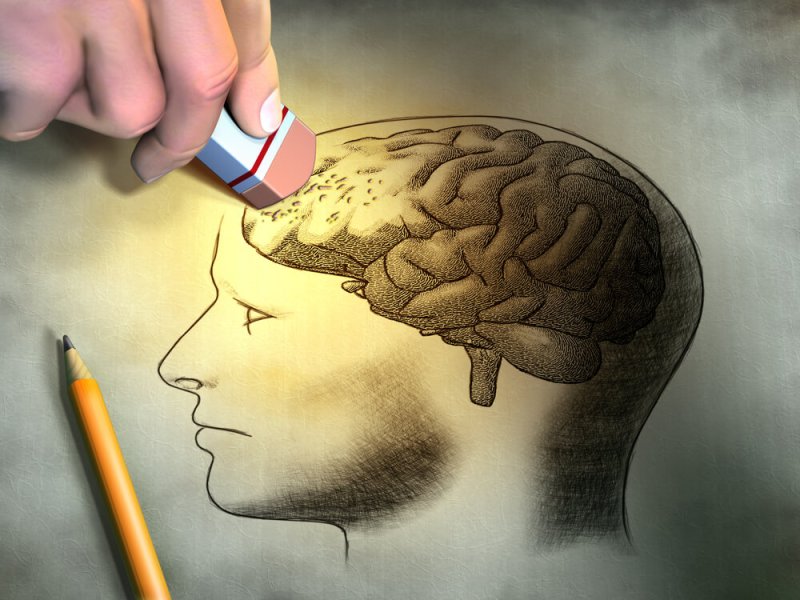
In the long-running debate over just what causes Alzheimer’s disease, one side looks to have scored a victory with new results with an in-development drug. But there’s enough variation in the data to ensure that the squabbling factions of Alzheimer’s will have plenty to fight about.

At issue is the so-called amyloid hypothesis, a decades-old theory claiming that Alzheimer’s gradual degradation of the brain is caused by the accumulation of sticky plaques. And the new drug is BAN2401, designed by Biogen and Eisai to prevent those amyloid plaques from clustering and attack the clumps that already have.

In data presented [recently], one group of patients receiving BAN2401 saw their amyloid levels plummet, a result that was tied to a significant reduction in cognitive decline compared with placebo.

…

But to skeptics, the trial was laden with confounding details that make it impossible to draw conclusions.


“These results are a mess,” wrote Baird biotech analyst Brian Skorney. “Not so much that they indicate an outright failure of the [amyloid] hypothesis, but they don’t really say anything informative at all.”

…

If amyloid really is the driving factor behind Alzheimer’s, why didn’t each incremental reduction in plaques lead to a corresponding improvement in cognition?

Read full, original post: Alzheimer’s study sparks a new round of debate over the amyloid hypothesis


Related Articles

Infographic: Global regulatory and health research agencies on whether glyphosate causes cancer

Infographic: Global regulatory and health research agencies on whether glyphosate causes cancer

Does glyphosate—the world's most heavily-used herbicide—pose serious harm to humans? Is it carcinogenic? Those issues are of both legal and ...

Most Popular

Strawberry Clamshell with Warning Sticker
Viewpoint: Activists hype ‘dangerous level’ of pesticide residues in Driscoll berries: Separating health concerns from fear-mongering
ChatGPT-Image-Mar-10-2026-01_39_01-PM
Viewpoint—“Miracle molecule” debunked: Why acemannan supplements don’t work
Rustic Skillet of Raw Brains
‘Weird food’? Testicle- and brain-eating, supplement-gulping MAHA health food enthusiasts defend their ‘natural’ diets
Generations United for Immunization
Police raid Guinea-Bissau offices of RFK Jr.-backed vaccine researchers, seize hepatitis B doses
Magnifying Glass Highlights NIH Logo
Latest Trump administration proposal to change NIH research grant system draws scientists’ ire
Author-Presenting-Good-Energy
'Disillusioned': Controversial RFK Jr. ally and MAHA leader Calley Means quits Trump advisory role
Screenshot 2026-10-16 at 5.38
PFAS in Agriculture: Science, Uncertainty, and Risk Communication
Screenshot-2026-10-20-at-2.25.49-PM
RFK Jr.’s anti-vaccine obsession and fear of MAHA derailed bird flu containment plan
Golden-GM-Emblem-with-EU-Stars
As Europe inches forward in its embrace of gene-edited crops, hopes abound that opposition to GMOs might fade
png_cheese_Raw_milk
100% raw milk, 100% misguided: As MAHA-fueled demand for unpasteurized milk soars, American Academy of Pediatrics renews call for a ban on its sale and distribution
Nutrition and Supplements Infinity Collage
Drugs and supplements can extend life and five other longevity myths
Diet Soda with Measuring Tape 2
Science challenges anti-soda activists: No, sodas won’t make you fat
Screenshot-2026-10-19-at-12.04.51-PM
Victims of their own success: As memories of killer diseases fade, vaccine rejectionism soars
glp menu logo outlined

Get news on human & agricultural genetics and biotechnology delivered to your inbox.