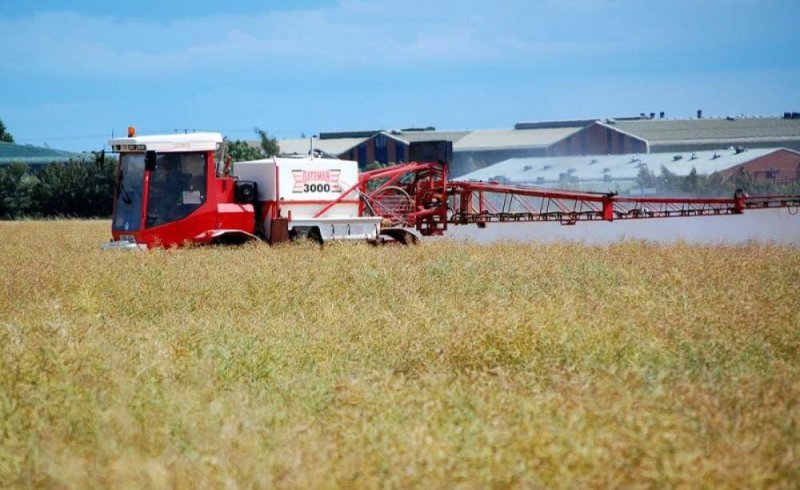
Can anyone make sense of the debate over glyphosate, the active molecule in the most widely used herbicide [Roundup] in the world?
[On August 10, a California jury awarded $289 million to a former school groundskeeper who said Monsanto’s Roundup left him dying of cancer. This article appeared in January, 2018.]…
At the heart of the problem is the messy fact that when scientists and policymakers carelessly substitute risk for hazard, flawed conclusions are drawn.
….
This is an important factor to consider with regards to the glyphosate debate. When IARC announced in June 2015 that glyphosate was “probably carcinogenic” to humans, Kate Guyton, a toxicologist and lead author of the IARC monograph, stated that “because the evidence in laboratory animals was sufficient and the evidence in humans was limited, this places [glyphosate] in Group 2A [of probable carcinogens].” It was later revealed that IARC scientists had removed findings from studies that concluded glyphosate to be noncarcinogenic before publishing the final version. The edits were made in the monograph’s chapter on animal studies, which crucially informed IARC’s assessment that glyphosate causes cancer.
…
[A] long-term observational analysis of the health effects of herbicides on 89,000 farmers and their families in Iowa and North Carolina …. Running since 1993…. has consistently failed to find that glyphosate use is linked with increased risk of cancer.
…
These findings have been backed up by other studies as well. Last year, the U.N.’s Food and Agriculture Organization and the World Health Organization presented a joint review report on pesticide residue in indirectly exposed persons, including farming and production workers’ families, as well as consumers. The report did not find any evidence of increased risk of cancer from glyphosate exposure.
…
In this case because of the absence of evidence against glyphosate, we should be aware of the potential for hazard, but the chemical should be considered noncarcinogenic. Otherwise, the purpose of science itself, which will always entail some degree of uncertainty, is utterly undermined.
Read full, original article: How Do You Assess if a Chemical Causes Cancer?