No evidence of early dementia found in NFL and NHL players in small study

nfl

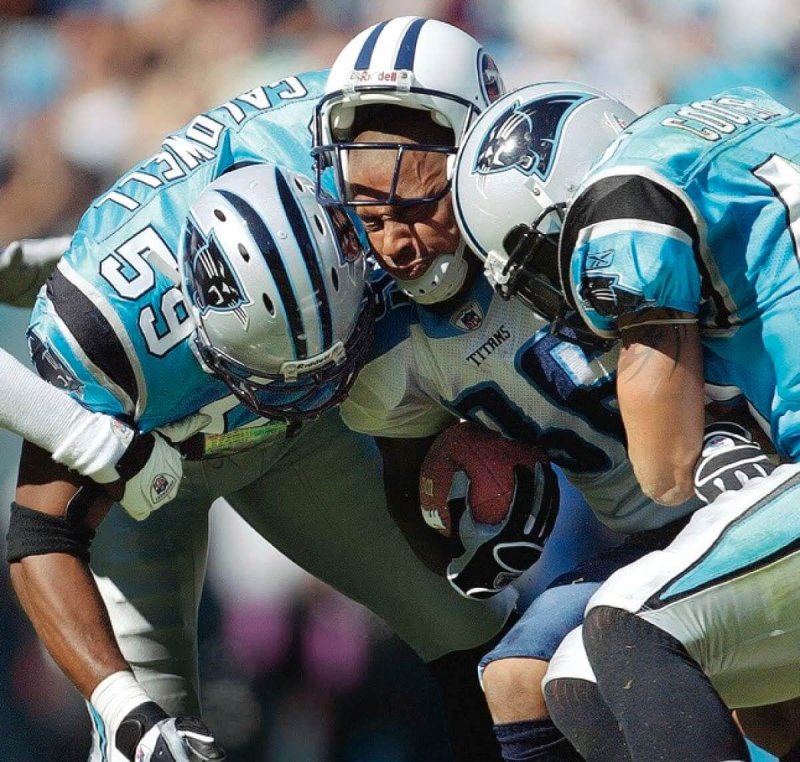
New University at Buffalo research is adding important information to the body of knowledge about the cognitive and behavioral status of a group of retired professional athletes who spent their careers in contact sports.

The study findings, from UB’s Healthy Aging Mind Project, were published [August 7] online before print in the Journal of Head Trauma Rehabilitation. The study assessed 21 professional athletes retired from the National Football League and the National Hockey League on neuropsychological measures associated with mild cognitive impairment and executive function.

The study, which the researchers note, involved “a relatively small sample of former athletes,” did not find evidence of early onset dementia in the retired players, which would be expected with chronic traumatic encephalopathy (CTE).

The assessments of cognitive function (e.g., memory, attention, visual spatial orientation), executive function and mental health in the retired athletes didn’t reveal statistically significant impairment compared to controls.

The researchers did find evidence of mild cognitive impairment (MCI) in more of the retired athletes than the controls, but said the rate was as expected for the age, education level and body mass index of the athletes, all factors that can raise the risk of MCI; it also was not statistically significant.

Read full, original post: Comprehensive study of 21 retired NFL and NHL players doesn’t find evidence of early onset dementia 

{{ reviewsTotal }}{{ options.labels.singularReviewCountLabel }}
{{ reviewsTotal }}{{ options.labels.pluralReviewCountLabel }}
{{ options.labels.newReviewButton }}
{{ userData.canReview.message }}

Related Articles

Infographic: Global regulatory and health research agencies on whether glyphosate causes cancer

Infographic: Global regulatory and health research agencies on whether glyphosate causes cancer

Does glyphosate—the world's most heavily-used herbicide—pose serious harm to humans? Is it carcinogenic? Those issues are of both legal and ...

Most Popular

Screenshot 2026-05-26 at 10.15
Viewpoint: Double standard—Why does the wellness industry get a free pass while Big Healthcare is treated as morally suspect?
ChatGPT-Image-Jun-4-2026-11_49_36-AM-2
‘You don’t understand Tolkien’: Skeptic Pope trolls tech giants about the exaggerated, risk-less benefits of AI
ChatGPT-Image-Jun-4-2026-01_27_58-PM
Viewpoint—N.A.D.+: Why Gwenyth Paltrow’s heralded anti-aging supplement doesn’t work
Screenshot-2026-06-03-at-1.24.46-PM
Challenging anti-GMO disinformation: Why genetically-tweaked crops offer bushels of benefits
Screenshot 2025-07-30 at 10.48
Can gene editing eliminate Down syndrome? Scientists have done it in lab-grown cells
ChatGPT-Image-Mar-10-2026-01_39_01-PM
Viewpoint—“Miracle molecule” debunked: Why acemannan supplements don’t work
Screenshot-2026-06-04-at-12.05.08-PM
Cases of brain inflammation surge as U.S. measles pandemic approaches 2000
downsyndrome_compilation_MID_1
CRISPR breakthrough that can remove the chromosome responsible for Down syndrome raises ethical questions
tick-DNA
GLP podcast: Spread meat allergy with gene-edited ticks? Bioethicists pose vile ‘thought experiment’
ChatGPT Image May 26, 2026, 08_42_17 AM (1)
Viewpoint: Greenpeace and poison: How environmental advocacy groups rely on compliant (and often ignorant) journalists to spread disinformation and spark litigation
ChatGPT-Image-May-26-2026-07_51_21-AM-2
Viewpoint: There are more than 1,000 chemicals in a cup of coffee—including many substances that can cause cancer. Why isn’t it banned?

Sorry. No data so far.

glp menu logo outlined

Get news on human & agricultural genetics and biotechnology delivered to your inbox.