What if humans could hibernate?

suspended animation

Whether they are amphibians, mammals, birds, or something else, animals use metabolic depression to thrive in places where they otherwise have no business surviving. At northern latitudes, frozen ponds, streams, and lakes leave frogs with nothing to eat and nowhere to live during the winter. Similarly, small mammals have a difficult time finding food when most nuts and fruits are buried under inches of snow. For the hummingbird, daily torpor is the only way their life in the fast lane happens at all – they use so many calories just to stay alive that they must drastically reduce their metabolism to take a nap without starving to death.

Perhaps the most intriguing lines of investigation to date are the recent advances in the metabolic control field. Under the right conditions, researchers can artificially induce metabolically depressed states in animals that do not naturally go into torpor, like mice and rats. Some groups have gone a step further, and restored normal metabolic rates without any lingering effects on brain function.

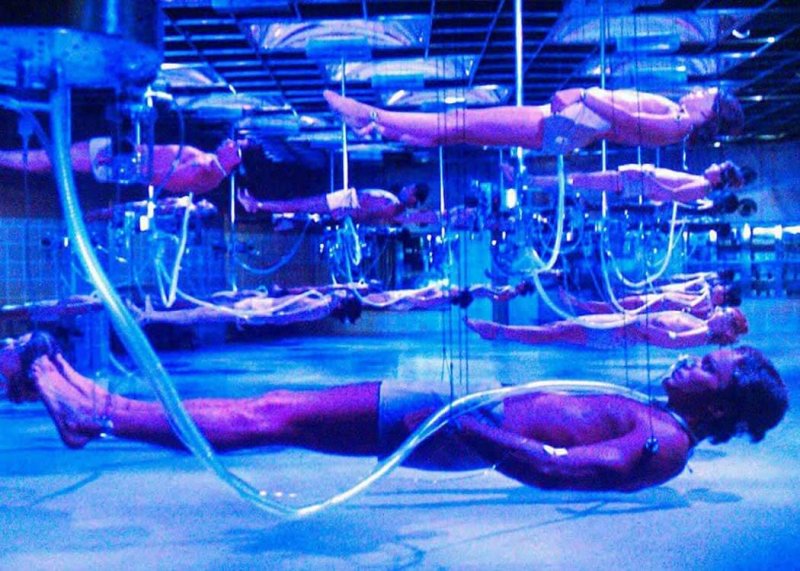
The ultimate goal is to reverse engineer the sequence of events that induce a harmless, temporary coma [in humans]. If successful, this research has a range of fantastical applications, including long-term space flight to Mars and slowing the progression of deadly diseases until modern medicine catches up with a cure.

Read full, original post: Hitting the pause button on life

{{ reviewsTotal }}{{ options.labels.singularReviewCountLabel }}
{{ reviewsTotal }}{{ options.labels.pluralReviewCountLabel }}
{{ options.labels.newReviewButton }}
{{ userData.canReview.message }}

Related Articles

Infographic: Global regulatory and health research agencies on whether glyphosate causes cancer

Infographic: Global regulatory and health research agencies on whether glyphosate causes cancer

Does glyphosate—the world's most heavily-used herbicide—pose serious harm to humans? Is it carcinogenic? Those issues are of both legal and ...

Most Popular

Picture1-5
Science Disinformation Gap: The transatlantic battle over social media and censorship
Screenshot-2026-04-23-at-11.00.36-AM
Regulators' dilemma: Thalidomide, Metformin, and the cost of getting drug approvals wrong
ChatGPT-Image-May-12-2026-08_39_41-PM
GLP podcast: Big Pharma, Big Ag, Big Food—health harming industries or life-saving innovators?
ChatGPT Image May 10, 2026, 08_16_59 PM 2
Overmedicalization? RFK Jr.’s antidepressant crackdown raises conflict questions over his fee stake in Wisner Baum, the tort firm built on suing drug makers
Screenshot-2026-05-12-at-9.58.31-PM
'He seems fine': Marty Makary out as FDA commissioner
Picture1-1
Cooling the planet with balloons: Could a geoengineering gamble slow global warming?
Screenshot-2026-05-12-at-10.05.11-AM
Pro-vaccine “hero” vs. an anti-vax “villain”: ‘Bad Vaxx’ video stirs MAHA backlash
Screenshot-2026-05-11-104424
Hantavirus outbreak research: Trump administration shut down study last year on rodent-to-human transmission
Picture1-14
When superbugs threaten vulnerable children: Can AI help solve antibiotic resistance?
ChatGPT Image May 12, 2026, 10_19_00 AM 2
Viewpoint— 'Muscular governance': How authoritarianism is surging corporate-linked energy misinformation
Screenshot-2026-05-01-at-1.29.41-PM
Viewpoint: What happens when whole grains meet modern food manufacturing? Labels don’t tell the whole story.
Screenshot 2026-05-11 at 11.30
Despite politicized disinformation, Midwest AI data centers are fueling a solar energy boom
S
As vaccine rejectionism spreads, measles may be taking a more dangerous turn
glp menu logo outlined

Get news on human & agricultural genetics and biotechnology delivered to your inbox.