Excessive regulation, trade wars may give rise to black market for biotech crops, experts say

trade war
Image Credit: Gapping World

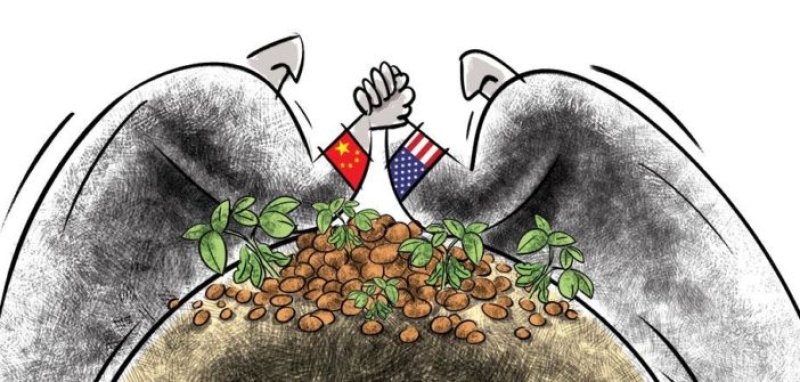
The rise in global trade wars and the recent EU decision to classify new plant breeding techniques (NPBTs) as genetically modified organisms will inevitably impact food safety and quality, experts warn.

According to EU report published [in September], EU customs authorities seized over 31 million fake goods with a street value of โ‚ฌ580 million in 2017, and food accounted for almost one quarter (24%) of these.

With the rise of trade wars …. between China and the US, and tensions between other countries, we think it will have an impact on food. Itโ€™s a global market and most food is imported from other countries. These [political developments] will foster a grey market and lead to food fraud and food smuggling.

An increase in counterfeit and contraband products in the supply chain could directly impact the work of purchasers and quality control managers …. as they will be at risk of buying illegal ingredients.

Another โ€˜hot topicโ€™ on quality control managersโ€™ radar is the recent European Court of Justice July decision that ruled New Plant Breeding Techniques (NPBTs) are considered genetically modified organisms, a stance that put it at odds with other international regulatory bodies, such as the US Ministry of Agriculture.

โ€œ[The ruling] means that these products are forbidden in the EU unless specifically authorized and none are authorized yet.โ€

Read full, original article: Trade wars and NPBTs are the new frontiers of food fraud & quality control, experts warn


{{ reviewsTotal }}{{ options.labels.singularReviewCountLabel }}
{{ reviewsTotal }}{{ options.labels.pluralReviewCountLabel }}
{{ options.labels.newReviewButton }}
{{ userData.canReview.message }}

Related Articles

Infographic: Global regulatory and health research agencies on whether glyphosate causes cancer

Infographic: Global regulatory and health research agencies on whether glyphosate causes cancer

Does glyphosateโ€”the world's most heavily-used herbicideโ€”pose serious harm to humans? Is it carcinogenic? Those issues are of both legal and ...

Most Popular

Screenshot-2026-04-22-at-12.21.32-PM
Viewpoint: Why the retracted Monsanto glyphosate study doesnโ€™t change the scienceโ€”the worldโ€™s most popular herbicide is safeย 
Picture1
The FDA couldnโ€™t find a vaccine safety crisis, so it buried its own research
ChatGPT-Image-May-1-2026-11_42_59-AM-2
Viewpoint: NAD is the wellness grifters latest evidence-lite longevity fad. At least the mice are impressed.
global warming
โ€˜Implausibleโ€™: Top climate scientists reject worst-case scenarioโ€”soaring temperatures and fast-rising sea levels
Screenshot-2026-05-21-at-12.15.17-PM
UK gene-editing milestone: Livestock barley that increases ruminant value and reduces methane emissions is first-approved CRISPR crop
ChatGPT-Image-Apr-16-2026-02_56_53-PM
Financial incentives, over diagnosis, and weak oversight: Autism claims are driving up Medicare costs
vax-misinformation-main
Facts & Fallacies Podcast: Limit free speech to blunt social media misinfo?
Screenshot-2026-05-21-at-3.15.53-PM
Chiropractors may no longer be modern-day snake oil salesmen, but the benefits of their therapy are limitedโ€“at best
ChatGPT-Image-May-12-2026-11_27_01-AM-2
AI likely to improve health care, research showsโ€”but not for blacks and ethnic minorities
Screenshot-2026-05-20-at-5.11.17-PM
Viewpoint: No, sugar doesnโ€™t โ€˜feedโ€™ cancer โ€” common cancer myths, debunked

Sorry. No data so far.

glp menu logo outlined

Get news on human & agricultural genetics and biotechnology delivered to your inbox.