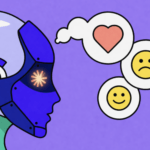
Scientists have long understood the psychological benefits of computerized companions. Studies have shown they can help combat loneliness among the elderly, motivate students in isolated communities, and even improve symptoms in dementia patients.
Still, despite all of this research, one big question remains: are robotic pets as good as the real thing?
…
[W]e need to determine what makes dogs so lovable in the first place. According to Ronald Arkin, director of the Mobile Robot Laboratory at Georgia Institute of Technology, it all comes down to basic biology.…

Arkin calls this area of study “behavioral simulation ethological modeling,” and he’s been doing it for a long time. He believes all aspects of animal behavior — “movement, emotion, even morality” — can be authentically simulated in robotic companions. He says he holds patents on robot “emotions” and is currently working on simulating feelings like guilt, shame, embarrassment, and empathy in robots to prove out his theories. For Arkin, though, it isn’t enough to build a robotic dog that’s as good as the real thing. He believes he can build one that’s better.
…
While Arkin’s “perfect” robotic dog may not be here for a few years, he’s pretty enthusiastic about where the field seems to be headed.
Read full, original post: Man’s Best Friend, Forever? We May Love Robot Dogs As Much As the Real Thing