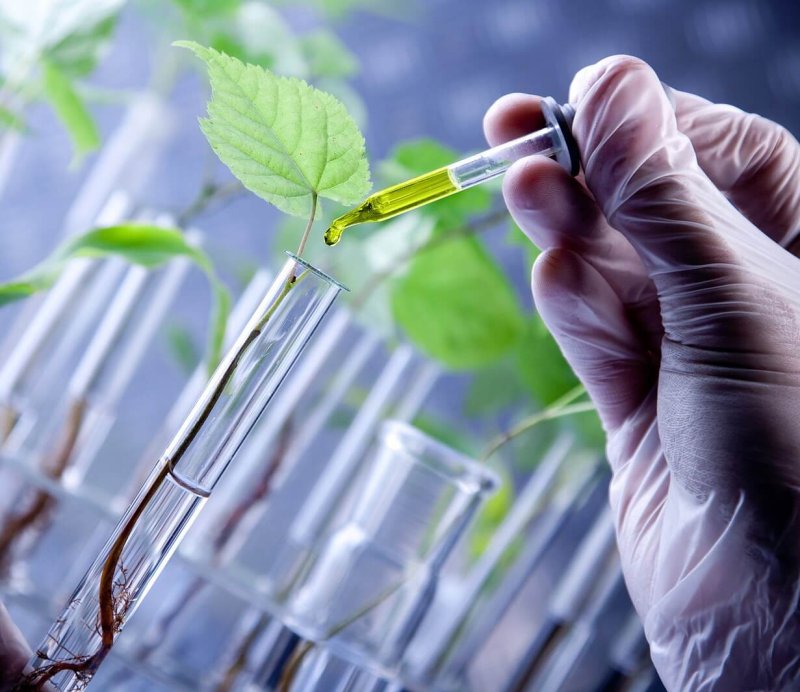
Today, [October 30] the U.S. Food and Drug Administration announced the Plant and Animal Biotechnology Innovation Action Plan to outline the key priorities the agency will pursue to support innovation in plant and animal biotechnology while advancing the agency’s public health mission. The overall goal of the action plan is to ensure the safety of plant and animal products of biotechnology while avoiding unnecessary barriers to future innovation.
Key next steps from the action plan include:
…
Animal Biotechnology
The FDA is committed to adopting and clarifying a comprehensive policy framework for the development and oversight of animal biotechnology products, including for drug and food products derived from intentionally genetically altered animals.
In the coming year, the FDA intends to issue several guidance documents in the area of animal biotechnology. Among these documents will be highly anticipated guidance for industry that clarifies FDA’s regulatory approach using risk-based categories for regulatory oversight, gives clear criteria and risk questions or data requirements where relevant for each risk-based category, and provides flexibility to move across categories as science and technology progress and FDA gains greater understanding with product risk profiles.

Plant Biotechnology for Human and Animal Food Use
After reviewing information submitted to the 2017 request for comment on the use of genome editing techniques to produce new plant varieties for use in human or animal food, the FDA intends to publish draft guidance for industry to explain FDA’s current regulatory policy for human and animal foods produced through modern molecular plant breeding techniques.
Continued Collaboration with Stakeholders
As part of efforts to engage with domestic and international partners, the FDA will coordinate with the U.S. Environmental Protection Agency and the U.S. Department of Agriculture as the agency clarifies its oversight of genome edited products, consistent with the U.S. Coordinated Framework for the Regulation of Biotechnology. The FDA will also support international regulatory alignment on risk-based genome editing policies and provide leadership in international forums.
In addition, the FDA will work with domestic and international partners and engage in a dialogue about how transformative biotechnology tools, such as gene drives, may eventually strengthen measures to address vector-borne diseases.
Read full, original article: FDA Announces Plant and Animal Biotechnology Innovation Action Plan