It wasn’t always like this. In the 1600s and 1700s, when people aged 65-plus made up just 2% of the total population, older people were revered, as detailed in sociologist and ageing expert Dr Deborah Carr’s 2023 book Aging in America. Fashionable people often aged themselves and lied about being older for social prestige.
After the American revolution, as industrialization made the need for “efficiency” greater and the number of older people increased, things shifted. The social standing of older Americans took a big hit as a new “youth culture” emerged.
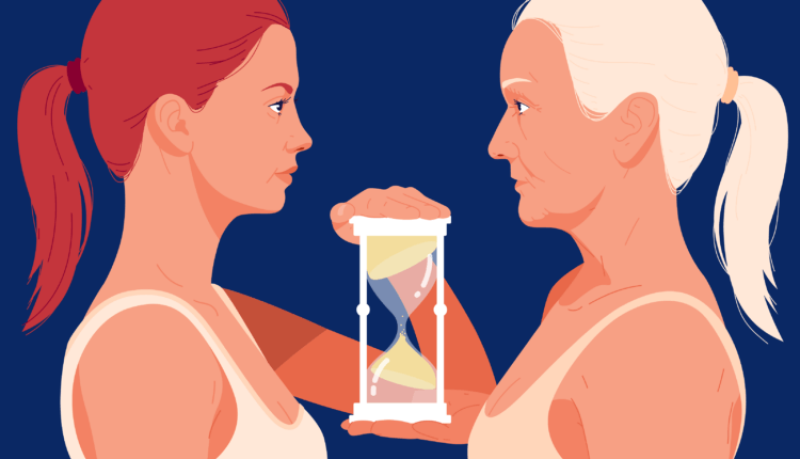
Ageing well or poorly now seemed like a personal choice, rather than a natural outcome. Although ageing had never been fully welcome, it was now officially “bad” to get old. We started saying that visibly ageing people had “let themselves go” and buying books with titles like 1986’s How to Live Longer and Feel Better or 2010’s Stay Young, Stay Fit.
…
On its surface, there is nothing wrong with the concept of longevity. It’s perfectly reasonable to want to live as well as possible, for as long as possible. Occasionally, however, modern advocates often make it seem as though death is now optional. Anti-ageing gurus have turned themselves into modern alchemists, questing for the scientific elixir of eternal youth.

…
Cultural critic and Guardian columnist Jessica DeFino is suspicious of this framing too. “Longevity is just the latest word that we’re applying to regular old anti-ageing ideology,” she explained.