Viewpoint: ‘Thought police in the UK?’ Conservatives lash out at government report calling anti-LGBQT+ narratives ‘false and misleading’

Credit: Harvard Kennedy School

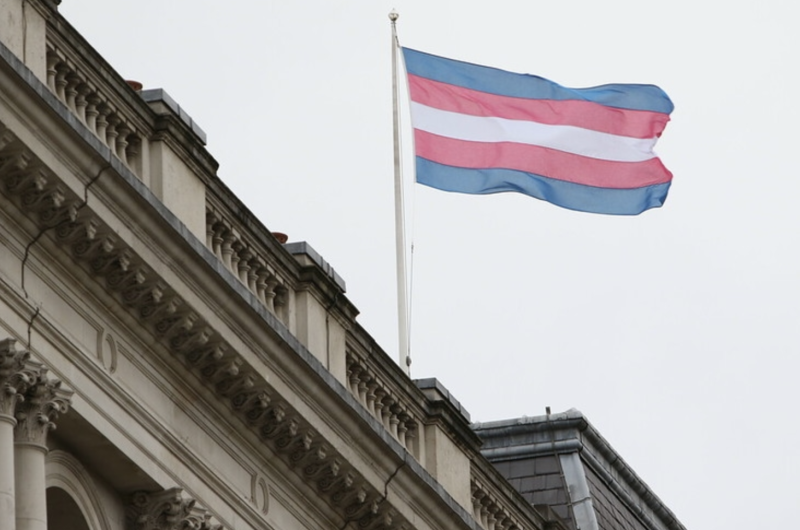
Anti-transgender views have been classed as “misinformation” in a government-commissioned report.

The study urges the Government to use psychology to prevent the spread of narratives it views as potentially “misleading”.

The tactics are recommended for use in schools and public communications to stop “false” ideas taking hold in society.

The 136-page report, by a group of seven academics and commissioned by the Government Office for Science, categorises “anti-LGBTQ+ narratives” as a type of “false and misleading information” seen in the UK.

But the Conservatives, urging Andy Burnham to condemn the document, have likened its proposals to the activities of the Thought Police in George Orwell’s 1984, and called it an “outrageous attack on our rights”.

Follow the latest news and policy debates on sustainable agriculture, biomedicine, and other ‘disruptive’ innovations. Subscribe to our newsletter.

The Government insisted … that the report was “independent” and did not represent official policy.


The study, from May 2026, was designed to inform government policy on “identifying and tackling harmful misinformation”.

It uses data compiled by EU-funded fact-checkers to identify 11 key categories of “false and misleading information”, backed up by a list of examples.

One of the categories included is defined as “anti-LGBTQ+ narratives, ‘gender ideology’ claims targeting schools and public institutions, Pride event misrepresentation and transgender athlete controversies”.


This is an excerpt. Read the original post here

{{ reviewsTotal }}{{ options.labels.singularReviewCountLabel }}
{{ reviewsTotal }}{{ options.labels.pluralReviewCountLabel }}
{{ options.labels.noReviewsLabel }}
{{ options.labels.newReviewButton }}
{{ userData.canReview.message }}

Related Articles

Infographic: Global regulatory and health research agencies on whether glyphosate causes cancer

Infographic: Global regulatory and health research agencies on whether glyphosate causes cancer

Does glyphosate—the world's most heavily-used herbicide—pose serious harm to humans? Is it carcinogenic? Those issues are of both legal and ...

Most Popular

ChatGPT-Image-Mar-10-2026-01_39_01-PM
Viewpoint—“Miracle molecule” debunked: Why acemannan supplements don’t work
ChatGPT-Image-Jul-22-2026-09_13_07-AM
Viewpoint—The Strategic Litigation boom: Understanding the tightening coalition among NGOs, foundations, journalists, and tort lawyers
organic scaled
Facts & Fallacies podcast: Organic food cuts pesticide exposure? A response to Dr. Rhonda Patrick
Screenshot-2026-07-07-at-12.55.44-PM
Viewpoint: Yes, we can adapt to a changing climate without devastating the environment and the economy
ChatGPT-Image-Jul-6-2026-02_25_26-PM
40 million Americans take glucosamine. If you have memory loss, it could accelerate cognitive decline.
ChatGPT-Image-Jun-25-2026-12_23_17-PM
No, Bill Gates did not secretly engineer ticks to promote veganism
Screenshot-2026-06-26-at-10.14.50-AM
Viewpoint: The facts behind the grifter-promoting wellness and anti-aging peptide craze: Don’t waste your money
ChatGPT-Image-Jul-8-2026-12_32_48-PM
Viewpoint: SCOTUS strikes a blow against junk science in Bayer glyphosate case. Will it deter mass tort litigators?

Sorry. No data so far.

glp menu logo outlined

Get news on human & agricultural genetics and biotechnology delivered to your inbox.