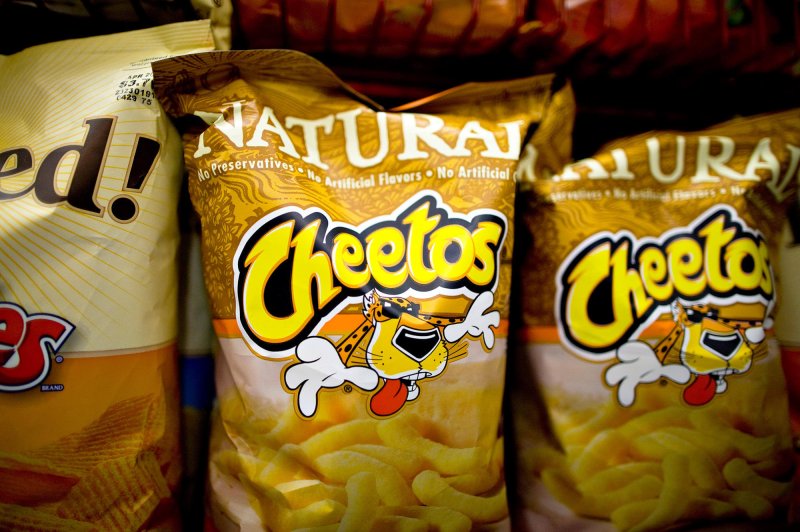
Are more consumers willing to pay a premium for ‘natural, ethical, enhanced’ foods?

People haven’t always thought very hard about their food. For most of human history, simply getting enough to eat was job one. This began to change with the advent of health food, as it was called, around the turn of the 20th century. The rise of organic farming soon followed. Still, it wasn’t until the early 1970s — when food prices spiked amid heightened concerns about environmental health — that natural foods started to gain traction as a cultural and commercial phenomenon.

For food and beverage producers, delivering on health and wellness claims is no small task. The good news is that consumers are ready to make it worth their while. In a significant turnabout from the previous edition of our survey, roughly 60% to 70% of respondents indicate they would pay a premium for food products in the natural, ethical, enhanced or “less of …” categories. This is an increase of at least 10 percentage points from two years ago.

[T]he degree to which consumers care about these newer claims [fair trade, local sourcing and no genetic modifications, along with claims such as antibiotic-free and cage-free] is on the rise …. Realizing this, retailers are looking to brands for products and support that keep them ahead of consumer demand. Producers have responded by introducing version 3.0 products such as Dave’s Killer Bread, an organic, non-GMO product now available in 22,000 stores. Then there’s Applegate’s line of humanely raised, antibiotic- and hormone-free, non-GMO processed meats.

Read full, original article: Consumer Health Claims 3.0: The Next Generation of Mindful Food Consumption


{{ reviewsTotal }}{{ options.labels.singularReviewCountLabel }}
{{ reviewsTotal }}{{ options.labels.pluralReviewCountLabel }}
{{ options.labels.newReviewButton }}
{{ userData.canReview.message }}

Related Articles

Infographic: Global regulatory and health research agencies on whether glyphosate causes cancer

Infographic: Global regulatory and health research agencies on whether glyphosate causes cancer

Does glyphosate—the world's most heavily-used herbicide—pose serious harm to humans? Is it carcinogenic? Those issues are of both legal and ...

Most Popular

Screenshot-PM-24
Viewpoint: The herbicide glyphosate isn’t perfect. Banning it would be far worse.
d-b
Blocked arteries, kidney stones, nausea, constipation, fatigue: Long list of health problems caused by too much vitamin D 
79d03212-2508-45d0-b427-8e9743ff6432
Viewpoint: The Casey Means hustle—Wellness woo opportunism dressed up as medical wisdom
ChatGPT-Image-Mar-10-2026-01_39_01-PM
Viewpoint—“Miracle molecule” debunked: Why acemannan supplements don’t work
ChatGPT-Image-Apr-30-2026-05_00_48-PM
Wellness grifter physician turned wellness influencer out as surgeon general nominee
ChatGPT-Image-Apr-30-2026-12_21_05-PM-2
The tech billionaires behind the immortality movement
ChatGPT-Image-Mar-27-2026-11_27_05-AM
The myths of “process”: What science says about the “dangers’ of synthetic products and ultra-processed foods
Screenshot-2026-04-30-at-11.33.46-AM
Anti-seed-oil to anti-vax pipeline: MAHA movement spreads to teen influencers
Screenshot-2026-04-30-at-12.49.48-PM
‘Alarming’: Nicotine’s wellness rebranding

Sorry. No data so far.

glp menu logo outlined

Get news on human & agricultural genetics and biotechnology delivered to your inbox.