Search for extraterrestrial life could be hampered by drama surrounding NASA’s telescope dreams

tele

For nearly 20 years, NASA has been planning and constructing a telescope unlike any ever built before: the James Webb Space Telescope. It will change the way scientists see the most distant galaxies and intensify the hunt for extraterrestrial life; it will answer outstanding questions about the birth and death of stars and planets. It is the future of astronomy—but it’s causing trouble. JWST’s high price and decade of delays could stymie the development of future telescopes, impacting the course of astronomy for the next 30 years.

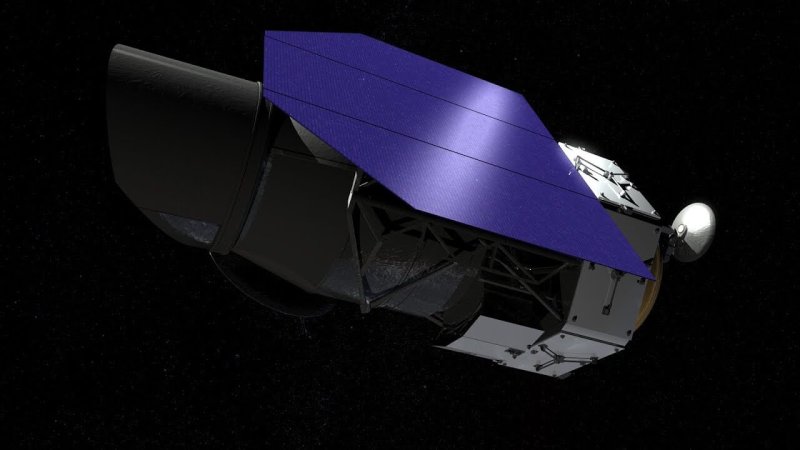
Looking even further ahead, NASA’s planned successor to JWST, called the Wide Field Infrared Survey Telescope (WFIRST), will observe the sky with resolution similar to Hubble’s but with a far wider field of view.

JWST’s price tag has increased incrementally, from hundreds of millions of dollars to $9.6 billion, some scientists working on its successors are uneasy. Where does the extra money come from to pay for JWST’s budget overruns, and how have these delays affected public perception of these large missions?

While Congress views astronomy research more favorably, President Trump’s 2019 budget request has already suggested scrapping WFIRST.

[T]he astronomers Gizmodo spoke with generally agree that JWST will be well worth the wait. But flagship telescopes are meant to advance significantly upon existing instruments—and improvement requires money. Scrapping or de-scoping WFIRST could further delay humanity’s dream to spot life on other planets.

Read full, original post: Telescope Drama Could Thwart the Hunt for Extraterrestrial Life

{{ reviewsTotal }}{{ options.labels.singularReviewCountLabel }}
{{ reviewsTotal }}{{ options.labels.pluralReviewCountLabel }}
{{ options.labels.newReviewButton }}
{{ userData.canReview.message }}

Related Articles

Infographic: Global regulatory and health research agencies on whether glyphosate causes cancer

Infographic: Global regulatory and health research agencies on whether glyphosate causes cancer

Does glyphosate—the world's most heavily-used herbicide—pose serious harm to humans? Is it carcinogenic? Those issues are of both legal and ...

Most Popular

ChatGPT-Image-Jun-17-2026-10_52_43-AM
Anguished parents, doctors in tears: Utah’s long measles outbreak takes a toll
Screenshot-2026-06-15-at-1.55.27-PM
America's trust in Trump-Kennedy's CDC health recommendations is plunging
ChatGPT-Image-Jun-23-2026-03_12_23-PM
Is cellular reprogramming junk science? Nearly 20 patients are getting eye injections in the first FDA-cleared cellular trial
ChatGPT-Image-Jun-24-2026-11_36_47-AM
Why the human genome is less a script than a puzzle
Screenshot 2026-06-25 at 10.55
Leading OB-GYN group challenges RFK, Jr. gutting of maternal vaccine schedule
Screenshot-2026-06-22-at-9.04.46-PM
Kennedy's nutrition prescription for medical schools: Real problem, bad cure
ChatGPT-Image-Mar-10-2026-01_39_01-PM
Viewpoint—“Miracle molecule” debunked: Why acemannan supplements don’t work
Screenshot-2026-06-24-at-2.57.41-PM
Viewpoint: Trump’s Reflecting Pool algae fiasco points to a bigger culprit: Climate change
Screenshot-2026-06-25-at-1.48.40-PM
Glyphosate affirmed as safe: Supreme Court rejects lawsuit claiming Roundup herbicide causes cancer, upholding EPA determination
ChatGPT-Image-Jun-25-2026-12_23_17-PM
No, Bill Gates did not secretly engineer ticks to promote veganism
Screenshot-2026-06-24-at-2.40.46-PM
Hegseth reversal: As Air Force flu outbreak continues to surge, military reinstitutes mandatory vaccines for recruits
ChatGPT-Image-Jun-22-2026-01_30_11-PM
Facts & Fallacies podcast: Psychedelics for PTSD? Examining RFK, Jr's claims about ibogaine
glp menu logo outlined

Get news on human & agricultural genetics and biotechnology delivered to your inbox.