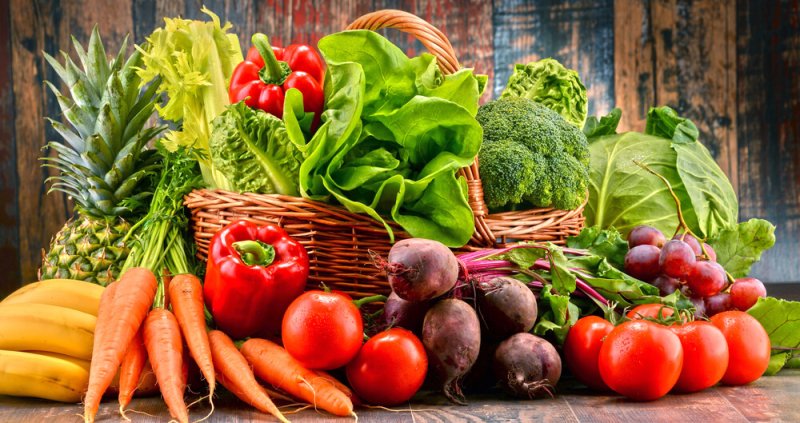
Genetic engineering is changing our food. An expert explains everything you should know

food

SCIENTISTS CONTINUE TOย find new ways to insert genes for specific traits into plant and animal DNA. A field of promiseโ€”and a subject of debateโ€”genetic engineering is changing the food we eat and the world we live in.

In the brave new world of genetic engineering, Dean DellaPenna envisions this cornucopia: tomatoes and broccoli bursting with cancer-fighting chemicals and vitamin-enhanced crops of rice, sweet potatoes, and cassava to help nourish the poor ….ย A plant biochemist at Michigan State University, DellaPenna believes that genetically engineered foods are the key to the next wave of advances in agriculture and health.

Just what are genetically engineered foods, and who is eating them? What do we know about their benefitsโ€”and their risks? What effect might engineered plants have on the environment and on agricultural practices around the world? Can they help feed and preserve the health of the Earth’s burgeoning population?

Q: Are biotech foods safe for humans?
A: Yes, as far as we know.

“Risks exist everywhere in our food supply,” points out Dean DellaPenna. “About a hundred people die each year from peanut allergies. With genetically engineered foods we minimize risks by doing rigorous testing”

….

“When it comes to addressing concerns about health issues, industry is being held to very high standards” says DellaPenna, “and it’s doing its best to meet them in reasonable and rigorous fashion.”

Read full, original article: Food: How Altered?

{{ reviewsTotal }}{{ options.labels.singularReviewCountLabel }}
{{ reviewsTotal }}{{ options.labels.pluralReviewCountLabel }}
{{ options.labels.newReviewButton }}
{{ userData.canReview.message }}

Related Articles

Infographic: Global regulatory and health research agencies on whether glyphosate causes cancer

Infographic: Global regulatory and health research agencies on whether glyphosate causes cancer

Does glyphosateโ€”the world's most heavily-used herbicideโ€”pose serious harm to humans? Is it carcinogenic? Those issues are of both legal and ...

Most Popular

Picture1
The Orange Bowl without oranges: Can CRISPR save Florida citrus?
ChatGPT-Image-May-22-2026-10_26_09-AM
Gutting the National Science Board: How the Trump-RFK, Jr. crusade is erasing the separation of science and state
Screenshot-2026-04-14-at-11.11.06-AM
โ€˜Turbo cancerโ€™ or mRNA cancer cure? Strategies to counter misinformation
Screenshot-2026-04-22-at-12.21.32-PM
Viewpoint: Why the retracted Monsanto glyphosate study doesnโ€™t change the scienceโ€”the worldโ€™s most popular herbicide is safeย 
Screenshot 2025-11-12 at 3.28
GLP podcast: Evolutionary biologist debunks the 'sex spectrum'
ChatGPT-Image-May-26-2026-09_19_32-AM
Viewpointโ€” โ€œA safe space to chat, flirt, and be intimate without sexโ€: Are new AI companies exploiting vulnerable asexuals?
global warming
โ€˜Implausibleโ€™: Top climate scientists reject worst-case scenarioโ€”soaring temperatures and fast-rising sea levels
Screenshot 2026-05-22 at 3.28
Vagus nerve wellness grift: How to build a billion dollar business. Are you listening, Kelly Ripa?
ChatGPT-Image-May-26-2026-09_04_31-AM-2
Hantavirus revives COVID-era conspiracies and distrust in public healthย 
ChatGPT-Image-Apr-16-2026-02_56_53-PM
Financial incentives, over diagnosis, and weak oversight: Autism claims are driving up Medicare costs
Screenshot 2026-05-22 at 11.31
โ€˜Realistic and durableโ€™: EPA proposes loosening restrictions on some PFAS โ€˜forever chemicals.โ€™
glp menu logo outlined

Get news on human & agricultural genetics and biotechnology delivered to your inbox.