Consumer fear of GMOs and political overreaction adversely impacts smallholder farms

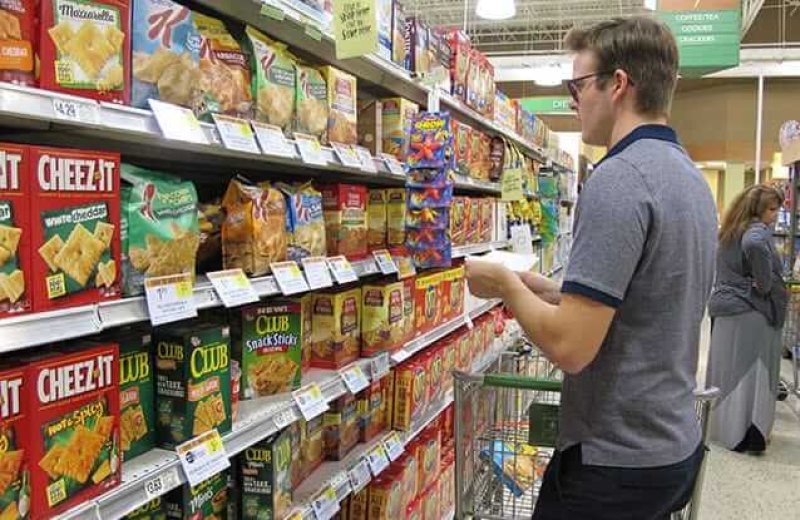
shopper
Image: The Penny Hoarder

Three letters can quickly turn lackadaisical shoppers at a farmers market, diners at a restaurant or families at dinner tables quite sour: GMO.

When challenged to expand this acronym into its full form, vehement oppositionists to this technology are often found fumbling for the words “genetically modified organism.” What is it about this technological innovation specifically that has incited such a crazed frenzy?

Many arguments for the fervent opposition to genetic modification, or GM, technology exist, but few of these arguments consider how this innovation could actually service marginalized groups, namely the smallholder farmer. Smallholder farms are defined as having access to less than 10 hectares of land, with a minimum share of labor coming from the property-holding family.

While seemingly distant, your participation in food politics is intimately linked to your role as a consumer of food and information here in Berkeley [, California]. We cast ballots every time we shop. Our dollars spent are direct endorsements of ideologies and movements that have the capacity to influence people greatly beyond our purview.

As consumers, we have the capacity to influence international acceptance of GM technology. Our purchasing power cannot be overstated. Money spent on non-GMO-verified goods endorses campaigns that distance smallholders from empowering technologies …. Your monetary or signatory endorsement can be harmful if you don’t know exactly what you’re endorsing.

Read full, original article: Genetic modification technology benefits smallholder farms

{{ reviewsTotal }}{{ options.labels.singularReviewCountLabel }}
{{ reviewsTotal }}{{ options.labels.pluralReviewCountLabel }}
{{ options.labels.newReviewButton }}
{{ userData.canReview.message }}

Related Articles

Infographic: Global regulatory and health research agencies on whether glyphosate causes cancer

Infographic: Global regulatory and health research agencies on whether glyphosate causes cancer

Does glyphosate—the world's most heavily-used herbicide—pose serious harm to humans? Is it carcinogenic? Those issues are of both legal and ...

Most Popular

ChatGPT-Image-May-7-2026-12_16_37-PM-2
Viewpoint: Are cancer rates ‘skyrocketing’ as RFK, Jr. and MAHA claims? The evidence says mostly the opposite
Screenshot-2026-04-13-at-1.39.26-PM
Viewpoint: ‘Safer for children?’ Stonyfield yogurt under fire for deceptive organic marketing
Screenshot-2026-04-22-at-10.46.29-AM
Viewpoint: How to counter science disinformation? Science journalist offers 12 practical tips
png-pill-omega-Supp-fish-oil
Millions take omega-3 fish oil for brain health. New research suggests it may do the opposite.
Picture1-5
Science Disinformation Gap: The transatlantic battle over social media and censorship
ChatGPT Image May 14, 2026, 09_51_35 PM
Facebook swamped by hundreds of thousands of scam ads for illegal or dangerous medical products
Screenshot-2026-04-23-at-11.00.36-AM
Regulators' dilemma: Thalidomide, Metformin, and the cost of getting drug approvals wrong
Screenshot-2026-05-08-at-3.40.33-PM
Seeds of power: China turns to genetic engineering to become global superpower
ChatGPT Image May 12, 2026, 01_21_30 PM
How big health brands are funding online medical misinformation 
ChatGPT-Image-May-12-2026-08_39_41-PM
GLP podcast: Big Pharma, Big Ag, Big Food—health harming industries or life-saving innovators?
ChatGPT-Image-May-13-2026-12_43_37-PM-2
Longevity: Is cellular rejuvenation even possible?
glp menu logo outlined

Get news on human & agricultural genetics and biotechnology delivered to your inbox.