Do we really need sex to make babies? Maybe not

Preimplantation genetic screening
Image credit: Laura Day

There are lots of great reasons we humans have sex. We mostly do it to pair bond, realize our primal urges, and feel good. Once in a while, we also do it to make babies. As the coming genetic revolution plays out, we’ll still have sex for most of the same reasons we do today. But we’ll increasingly not do it to procreate.

Today, the number of single gene mutation diseases and relatively simple genetic traits that can be predicted meaningfully from genetic data alone is already significant.

In the not-distant future, this list will grow to include complex diseases and disease propensities, percentage probabilities of living a long and healthy life, and increasingly the genetic component of complex human attributes like height, IQ, and personality style.

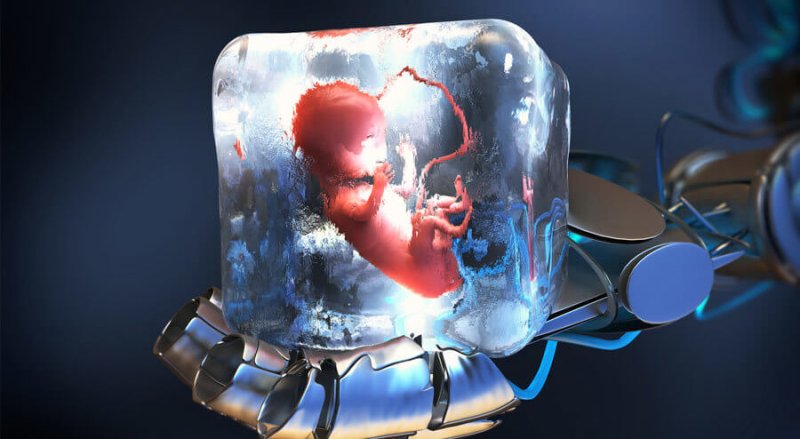
[P]rospective parents will increasingly have a stark choice when determining how to conceive their children. If they go the traditional route of sex, they will experience both the benign wisdom and unfathomable cruelty of nature. If they use IVF and increasingly informed embryo selection, they will eliminate most single gene mutation diseases and likely increase their children’s chances of living a longer and healthier life.

Over time, only zealots will choose to roll the dice of their future children’s health and well-being rather than invest, like parents always have, in protecting their children from harm and helping optimize their life potential.

Read full, original post: Is Sex for Reproduction About to Become Extinct? 

{{ reviewsTotal }}{{ options.labels.singularReviewCountLabel }}
{{ reviewsTotal }}{{ options.labels.pluralReviewCountLabel }}
{{ options.labels.newReviewButton }}
{{ userData.canReview.message }}

Related Articles

Infographic: Global regulatory and health research agencies on whether glyphosate causes cancer

Infographic: Global regulatory and health research agencies on whether glyphosate causes cancer

Does glyphosate—the world's most heavily-used herbicide—pose serious harm to humans? Is it carcinogenic? Those issues are of both legal and ...

Most Popular

Picture1-5
Science Disinformation Gap: The transatlantic battle over social media and censorship
Screenshot-2026-04-23-at-11.00.36-AM
Regulators' dilemma: Thalidomide, Metformin, and the cost of getting drug approvals wrong
ChatGPT-Image-May-12-2026-08_39_41-PM
GLP podcast: Big Pharma, Big Ag, Big Food—health harming industries or life-saving innovators?
ChatGPT Image May 10, 2026, 08_16_59 PM 2
Overmedicalization? RFK Jr.’s antidepressant crackdown raises conflict questions over his fee stake in Wisner Baum, the tort firm built on suing drug makers
Screenshot-2026-05-12-at-9.58.31-PM
'He seems fine': Marty Makary out as FDA commissioner
Picture1-1
Cooling the planet with balloons: Could a geoengineering gamble slow global warming?
Screenshot-2026-05-12-at-10.05.11-AM
Pro-vaccine “hero” vs. an anti-vax “villain”: ‘Bad Vaxx’ video stirs MAHA backlash
Screenshot-2026-05-11-104424
Hantavirus outbreak research: Trump administration shut down study last year on rodent-to-human transmission
ChatGPT Image May 12, 2026, 10_19_00 AM 2
Viewpoint— 'Muscular governance': How authoritarianism is surging corporate-linked energy misinformation
Picture1-14
When superbugs threaten vulnerable children: Can AI help solve antibiotic resistance?
Screenshot-2026-05-01-at-1.29.41-PM
Viewpoint: What happens when whole grains meet modern food manufacturing? Labels don’t tell the whole story.
Screenshot 2026-05-11 at 11.30
Despite politicized disinformation, Midwest AI data centers are fueling a solar energy boom
S
As vaccine rejectionism spreads, measles may be taking a more dangerous turn
glp menu logo outlined

Get news on human & agricultural genetics and biotechnology delivered to your inbox.