Viewpoint: How dairy companies like Stonyfield Organic mislead consumers about GMOs

Screen Shot at AM

A typical stroll down the grocery store aisle exposes the shopper to almost 40,000 different products. While most have labels to aid in the shopping process, it can still be hard to separate truth from marketing on food items.

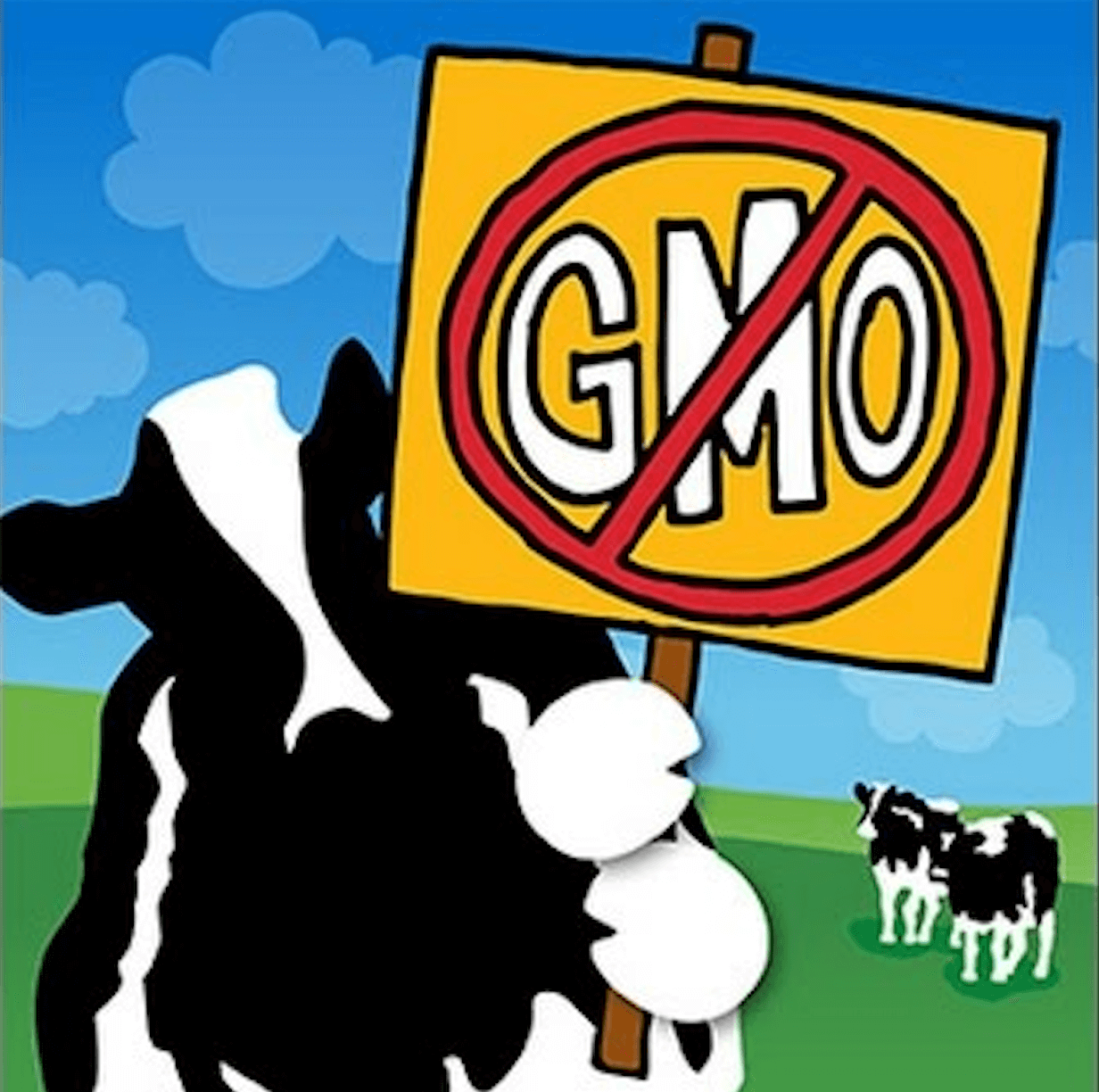
“Peel Back the Label” is a new campaign from America’s dairy farmers that identifies companies that use misleading food labeling or deceptive marketing to instigate fear in consumers in an attempt to increase sales.

The recent companies identified are Stonyfield, Danone-owned Left Field Farms, and California-based Clover Sonoma. Their claims center around genetically modified (GM) labeling. They have included “non-GMO” labels on milk to purposely confuse consumers, even though the science clearly shows that there is no difference in milk produced by cows fed GM or non-GM feed rations.

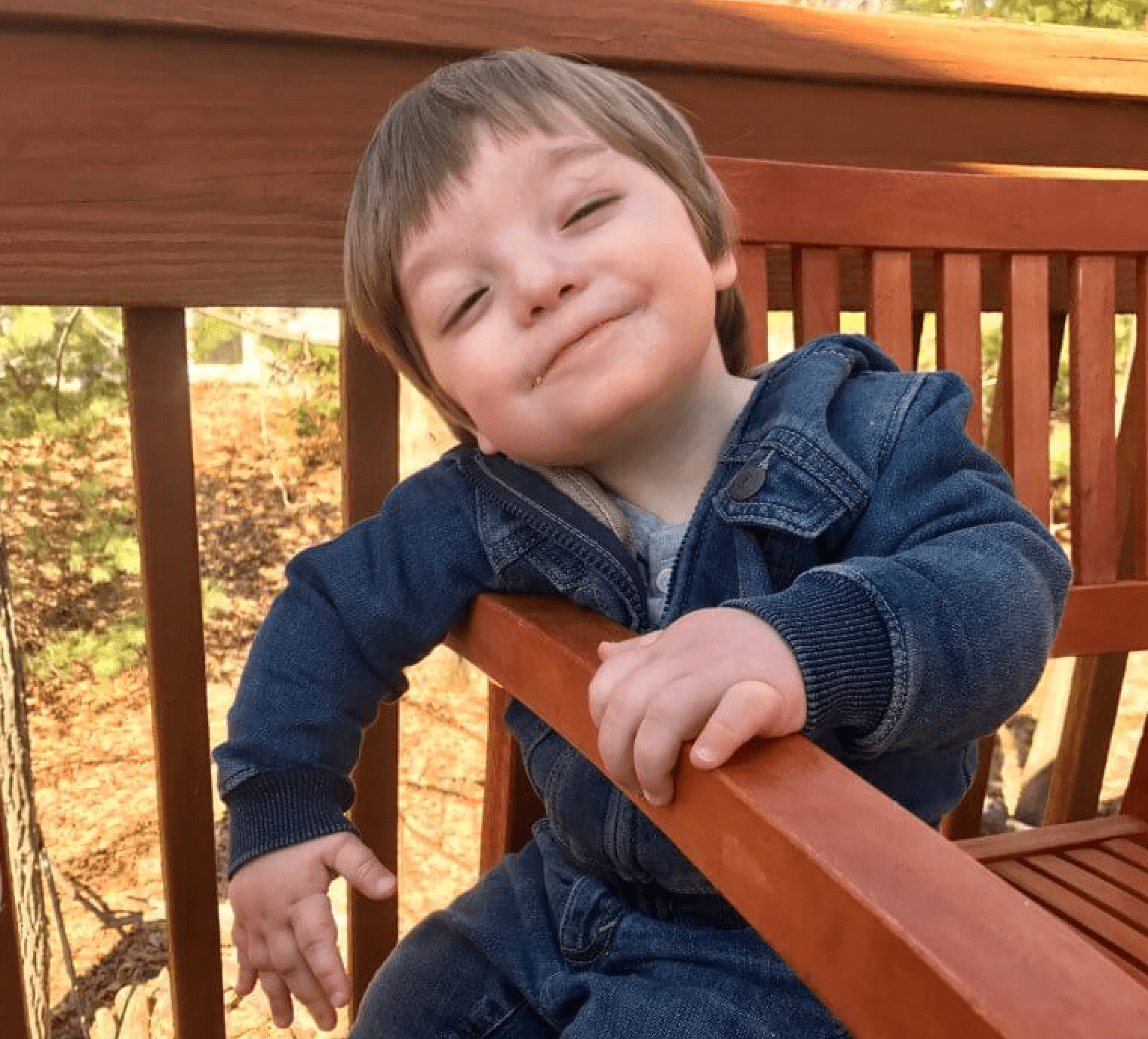
  • Stonyfield: Earlier this year, the company released an online video with young children talking about their fears of GMOs. Critics rightly lambasted the falsehoods and were disapproving of the use of children to sell product.
  • Left Field Farms: On their website, Left Field Farms asks consumers, “If you won’t eat GMOs, why should cows?”
  • Clover Sonoma: The company’s website states, there is “uncertainty around the unknown long-term effects of genetically engineered crops.”

Read full, original post: Three dairy companies using scare tactics

Gene editing and a new age of athletic cheating

eyevine x

Think cheaters never prosper? Lance Armstrong won the Tour de France seven times. Manny Ramirez won two World Series championships. Ben Johnson won an Olympic gold medal.

…

Sure, officials eventually figured out that Armstrong, Ramirez, and Johnson used prohibited performance-enhancing drugs (PEDs) and penalized them accordingly. However, countless others get away with it. And in the not-so-distant future, athletes could cheat in a way that’s even harder, if not impossible, to detect.

…

[A] scientist could use instruct a virus to insert a gene that encourages the body to produce the protein erythropoietin (EPO). EPO helps deliver oxygen to tissue, which is why athletes have injected it for years to improve their performance. Detecting injected EPO is simple, which is why athletes subjected to doping tests may avoid it. But detecting excess EPO the body produced on its own? Much harder to do.

…

Unlike genetic modification, which involves adding genes, gene editing focuses simply cutting and pasting of the genes an organism already has. A gene-edited athlete wouldn’t have any added genes for officials to find.

…

For some athletes, the potential downsides of gene doping may seem worthwhile if it could help them achieve glory. And for now, we don’t have an effective plan to stop them.

Read full, original post: The Next Revolution of Sports Cheating: Rewriting Athletes’ Genetic Codes

Viewpoint: Despite small percentage of sales, organic food is now ‘mainstream’ in the US

Screen Shot at AM
[O]rganic is mainstream in America in every way except as a significant percentage of total US annual grocery sales.

According to USDA and other sources, organic foods account for between 4%-5% of total US grocery sales. 

But percentage of annual sales – remember the rules are different today – isn’t the sole indicator of mainstream.

For example, nearly three out of four conventional grocery stores in the US carry organic products. And around 20,000 natural foods stores exist in the US, all of which carry organic products.

Many convenience stores, once the home of only belly-filler junk food, carry organic products, particularly snack foods.

The nation’s two major drug chains, Walgreen and CVS, and nearly all the others, sell organic products.

And you’ll find organic products at mom and pop grocery markets in big cities like New York, at airport kiosks, and at farm stands in parts of rural America.

Organic is mainstream today. But it’s still priced at too high a premium to be purchased regularly by mainstream America.

This too is changing though. But the primary agents of change this time around – I call it the “new store brand organics paradigm” – are grocery retailers.

Read full, original post: Has organic become mainstream in the US?

So we can clone our pets—are we moving closer to humans?

pets

The story that sent shivers up my spine…was about Monni Must, a Michigan portrait photographer who paid to clone Billy Bean, a Labrador retriever that had belonged to her oldest daughter, Miya. Miya had committed suicide 10 years earlier. To Must, cloning the elderly dog was a way to keep her daughter’s memory alive and, she says, to “protect” her grief.

…

Alarm bells went off in my head. Must wasn’t just cloning a pet. She was trying to preserve a lost child. It seemed awfully close to a real human cloning scenario, one in which a heartbroken parent tries to replace a son or daughter who dies early.

…

We can make cloned human embryos pretty well. Could we go further and grow those embryos into a baby?

…

“No society could accept this,” says [stem cell biologist Yi] Zhang. “On the other hand, if you are asking me, can you improve the efficiency even more? Well, the answer is yes. My answer is that eventually, from a technology point of view, human cloning will be possible.”

…

I finally asked Must: Would she have cloned Miya if she’d had the chance? She said it’s not a question she has an answer to. “When you have a child who dies, you are not in a good place. You are not in a place to make a rational decision,” she says.

Read full, original post: Pet cloning is bringing human cloning a little bit closer

Could humans be Earth’s second civilization?

questttt

“How do you know we’re the only time there’s been a civilization on our own planet?” [said Goddard Institute for Space Studies director Gavin Schmidt].

…

[T]hat first conversation launched a new study we’ve recently published in the International Journal of Astrobiology. Though neither of us could see it at that moment, Gavin’s penetrating question opened a window not just onto Earth’s past, but also onto our own future.

…

[C]ould researchers find clear evidence that an ancient species built a relatively short-lived industrial civilization long before our own? Perhaps, for example, some early mammal rose briefly to civilization building during the Paleocene epoch about 60 million years ago.

…

Fifty-six million years ago, Earth passed through the Paleocene-Eocene Thermal Maximum (PETM). During the PETM, the planet’s average temperature climbed as high as 15 degrees Fahrenheit above what we experience today.

…

Are these events indications of previous nonhuman industrial civilizations? Almost certainly not.

…

Gavin and I don’t believe the Earth once hosted a 50-million-year-old Paleocene civilization. But by asking if we could “see” truly ancient industrial civilizations, we were forced to ask about the generic kinds of impacts any civilization might have on a planet. That’s exactly what the astrobiological perspective on climate change is all about.

Read full, original post: Was There a Civilization On Earth Before Humans?

Ugandan scientists criticize controversial changes to GMO bill

UNDPUganda SLM David Muhoozi Lyantode farmer

A number of scientists have expressed shock and anger at the proposed restrictive requirements that were included in the long-awaited [Ugandan] law on Biotechnology with some labelling them a disaster and a huge setback for the country.

…

Clet Wandui Masiga, the Director of Tropical Institute of Development Innovations (TRIDI), a science policy think tank, criticised recommendations that seek to imprison anyone including farmers and scientists for any intended and unintended adverse effects of a product of Genetic Engineering.

…

Although the common law presupposes that one cannot be held responsible for unintended harm, Masiga argues that in order to avoid legal fights, most scientists will opt to simply avoid the bother and the technology all together, something he stressed is a retrogressive step since many countries in Africa and elsewhere looked up to Uganda as a model country in the development of biotechnology.

Uganda had emerged as one of the most progressive countries in Africa by allowing scientists to invest their energies to develop solutions to problems affecting millions of her farmers using biotechnology.

…

The apparent U-turn in president’s stance towards the support for GM, as illustrated in the proposed recommendations to the biotech law, constitute a major blow to any hopes of adopting the technology especially by smallholder farmers.

Read full, original post: Parliament in U-Turn on GMO Law

Viewpoint: Why consumers should reconsider ‘blanket opposition’ to GMO crops

mam denver x

It’s human nature, it seems, to resist change and fear the unknown. So it is no surprise that genetic engineering of food and feed crops resulted in their resounding condemnation as “Frankenfoods” by many consumers, who seem as terrified of eating an apple with an added anti-browning gene or a pink pineapple genetically enriched with the antioxidant lycopene as I am of self-driving cars.

…

[W]hile I endorse the public’s right to know and honest labeling of all products, in an important way it is very misleading. Farmers and agricultural scientists have been genetically engineering the foods we eat for centuries through breeding programs that result in large and largely uncontrolled exchanges of genetic material.

…

Consumers concerned about the growing use of G.M.O.s in the foods they depend on might consider taking a more nuanced approach than blanket opposition. Rather than wholesale rejection, take some time to learn about how genetic engineering works and the benefits it can offer now and in the future as climate change takes an ever greater toll on food supplies. Consider supporting efforts that result in safe products that represent improvements over the original and focusing opposition on those that are less desirable.

Read full, original post: Are G.M.O. Foods Safe?

Pediatric brainstem cancer eradicated in mice using CAR-T treatment

Typica l MRI appearance of DIPG A T weighted post contrast B T weighted C FLAIR

Engineered human immune cells can vanquish a deadly pediatric brain tumor in a mouse model, a study from the Stanford University School of Medicine has demonstrated.

The study, which was published online April 16 in Nature Medicine, represents the first time a severe brainstem cancer, diffuse intrinsic pontine glioma, has been eradicated in mice with the tumor. DIPG affects a few hundred school-age children across the country each year and has a median survival time of only 10 months; there is no cure. In mice whose brainstems were implanted with human DIPG, engineered immune cells known as chimeric antigen receptor T cells — or CAR-T cells — were able to eliminate tumors, leaving very few residual cancer cells.

“I was pleasantly surprised with how well this worked,” said Michelle Monje, MD, PhD, assistant professor of neurology and a senior author of the study.

…

When the brains of the mice were examined via immunostaining after treatment, the animals had, on average, a few dozen cancer cells left, compared with tens of thousands of cancer cells in animals that received a control treatment.

…

However, some mice experienced dangerous levels of brain swelling, a side effect of the immune response triggered by the engineered cells, the researchers said, adding that extreme caution will be needed to introduce the approach in human clinical trials.

Read full, original post: Altered immune cells clear childhood brain tumor in mice

Tale of two families: Exome sequencing and faster diagnosis of rare disorders

Screen Shot at AM
Sailing from New York City to London a century ago took days; today the trip takes hours by air. Similarly, the “diagnostic odyssey” to identify rare diseases has collapsed from years to months, sometimes even less, through the use of exome sequencing and analysis.

A tale of a teen and a tyke with the extremely rare Wiedemann Steiner Syndrome (WSS) argues for the value of earlier exome sequencing in the search for a diagnosis.

MonicaMonica’s story: 14 years to diagnosis

Monica was born at the end of 1999. Her small size, early teeth, wide-set eyes, low-set ears, sleep apnea, small mouth with large tonsils and adenoids that blocked her airway, small rotated kidney, and fused vertebrae and spinal disc problems suggested a genetic syndrome. But because she met developmental milestones, genetic testing was minimal: a chromosome check during her third year, and then a microarray test for short pieces of missing or extra chromosomes. All normal.

But as Monica grew, she experienced speech delay, mild developmental delay and intellectual disability, learning disabilities and continuing breathing difficulties. Speech therapy, math tutors and a social worker to help her manage anxiety in social situations enabled her to explore interests, “finally settling into dance and gymnastics for fun and fitness,” her mother Tracey Carmichael recalled. But something wasn’t quite right.

By the time Monica was eight, the pediatrician diagnosed Opitz G/BBB syndrome, based on symptoms that would turn out to be a subset of WSS: mild intellectual disability and developmental delay, speech delay and the wide eyes and low ears. An autism diagnosis didn’t come until 2017, but it was likely present earlier, and part of both syndromes.

“The Opitz diagnosis allowed Monica to access additional funded services at school and tax benefits to offset extra costs at home for tutoring and therapies. It served her well until puberty, when new medical problems came flying at us,” said Tracey, who lives with her daughter in Canada. The new challenges included dysautonomia (autonomic nervous system symptoms), painful joint partial dislocations, poor stomach motility and depression. “It became apparent that her health concerns were not consistent with the Opitz diagnosis, and we asked to be referred back to the geneticist.”
DNA Strand xThe diagnosis was wrong, and Monica found the turnaround distressing:

When the doctors told me it wasn’t Opitz G/BBB I felt sad and lost because it meant more investigation and more tests, more doctors’ appointments, and time missing school. I was angry at the doctors talking to my parents in terms I didn’t understand. When I asked what they were talking about, the doctors spoke to my parents and not me.

They were back to square one. “I believe that having no diagnosis is infinitely worse than having the wrong diagnosis. A genetic diagnosis should lead to better outcomes through better understanding of the symptoms and better treatment,” Tracey said.

Fortunately, the reanalysis lead to Clara Van Karnebeek at the University of British Columbia, the TIDE BC program seeking genetic causes of intellectual disability and developmental delay, and the correct diagnosis. Participating in research was the only way to have exome sequencing in 2014, and Monica had it in September of that year. “Wiedemann-Steiner Syndrome surprised everyone,” Tracey said.

Today Monica accepts her diagnosis: “It’s a unique part of who I am. I’m trying to take better care of myself by going to my doctors, taking medications, going to rehab and physiotherapy every week and doing exercise at home every day, doing the things I have to do to feel better.”

The diagnosis: WSS

A flurry of case reports of what would be named Wiedemann-Steiner Syndrome appeared in the medical literature in 1989, the name honoring two of the researchers. Affected individuals had long lashes, wide-set eyes, arched brows, a long philtrum (the space between the nose and the upper lip), short nose, low-set ears and a high palate. They had delayed speech, hypotonia (floppiness), and some had intellectual disability and/or developmental delay. The young patients were all short and stocky. Less common were hairy elbows, whorls of hair on the upper back, a dimple in the lower back and spaces in the kidneys.

More reports trickled in, the chromosomes always normal. Then in 2012 Wendy Dawn Jones, at the University of London, showed that WSS typically arises as a new mutation, after which it’s passed on in an autosomal dominant manner; each child of an affected person would have a 50-50 risk. Her team sequenced the exomes of four patients, three of whom had mutations in the same gene, KMT2A. The fourth had slightly different symptoms and facial features, and a mutation in a different gene.

Mis- and disinformation are distorting science and public policy. Subscribe to our Daily and Weekly Digests for incisive coverage of ‘disruptive’ innovations in AI, agricultural biotechnology, food, chemicals, nuclear energy, vaccines, and other disruptive innovations.

The mutations that cause WSS shorten an enzyme (lysine methyltransferase 2A) that affects the pattern in which two small organic (carbon-containing) groups – methyl and acetyl – attach to certain types of histone proteins around which DNA wraps. Methyls, acetyls, and phosphates control which genes are exposed enough to be expressed, and which aren’t, the chemical crux of epigenetics. So a mutation that affects a crucial epigenetic enzyme alters the expression of several genes. Mutations in other histone-methylation genes produce similar symptoms, such as short stature, speech delay, and distinctive faces, including Kabuki, Rubinstein-Taybi, and floating harbor syndromes.

In 2016 a different research group added mutations behind WSS that substitute an amino acid in the enzyme rather than stunting it, and these individuals also have seizures and immunodeficiency. In 2017 Dr. Jones’s PhD thesis (she was already an MD) added 84 more cases.

An interesting aside: KMT2A has another name. It’s also known as the MLL gene that lies behind mixed lineage leukemia. In WSS the gene is shortened in all cells; in MLL it is cut out and moved to another chromosomal location, landing in a cancer-causing gene, but only in white blood cells.

Nicholas’s story: 2 years to diagnosis

By the time Nicholas Lagravinese was born in August 2015, genetic diagnosis had evolved from chromosome checks and microarrays to exome sequencing. But the new technique was still part of research protocols. The little boy seemed fine at birth, but once home he didn’t gain weight, and then began to lose weight – dramatically. In his first weeks, medical attention focused on heart and respiratory problems, and he had surgery to close a hole in his heart.

nicholasAt Morgan Stanley Children’s Hospital in Manhattan, the boy was seen by a parade of specialists, including a geneticist who recognized a possible genetic syndrome in the unusual facial features, heart anomalies, aspiration issues and the old-fashioned but still-telling “failure to thrive.” He suggested that Nicholas and his parents have chromosomal microarray testing and exome sequencing. Nicholas was only two months old when the trio gave blood for these tests. If the condition was recessive, the parents would be carriers, of something. But they weren’t.

The microarray test came back normal quickly, and the exome results were in by February 2016. Two gene variants stood out as possibly explaining Nicholas’ symptoms, one indicating Wiedemann-Steiner Syndrome. Further analysis as part of a research program nailed the diagnosis by April 2017. Nicholas had a dominant mutation that originated in him.

Remembers Kim Hoffman, Nicholas’s mother, “Receiving the news of the official diagnosis was difficult for us initially. But we are so grateful for the advancements in genetic testing allowing us to learn of this diagnosis so early because it only helps us help Nicholas better; and, Nicholas is still our same lovable little boy that he was before the diagnosis.”

Placing a name on a spectrum of symptoms has eased getting services, such as attending a special needs school and receiving physical, feeding, speech, and occupational therapies, plus a monthly meeting with a nutritionist. Nicholas continues to see the many specialists required to address his associated medical conditions. He’s had five surgeries.
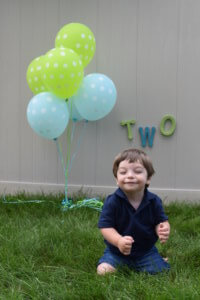
nicholas balloons“Nicholas is developmentally delayed, but from his therapies, school, and a lot of hard work at home, is making great progress. We don’t take any milestones for granted in our house, celebrating all the victories, whether it’s putting pieces in a puzzle, taking a sip out of an open cup, acting out ‘happy and you know it’ and ‘itsy bitsy spider,’ or learning a new sign to communicate. We’ll never forget the big smile plastered on his face and his vocalizing pleasure the first time he walked 50 steps in a row across our living room. We cried tears of joy,” Kim said.

The WSS Foundation introduced Kim, her husband Matt, and Nicholas and little sister Emily to other families. “This has been invaluable and truly life-changing. Our WSS family provides an abundance of knowledge and support. We have already learned so much about how to help Nicholas to become the best version of himself, medically, educationally, and socially,” Kim said.

Bigger picture

As time goes on, exome sequencing will yield more single-gene tests, while continuing to solve medical mysteries. Many argue for it to be moved up in the diagnostic process.

A telling investigation came from Tiong Yang Tan, PhD, at the Victorian Clinical Genetics Services in Melbourne, Australia, and colleagues. They diagnosed 23 of 44 kids (up to age 18) from exome sequences, taking only a few months each. The children had undergone many tests and evaluations for on average six years, more than half receiving general anesthesia for a diagnostic procedure. As with Nicholas and Monica, chromosomal checks had turned up nothing, and pediatricians had sent their patients to the exome program because of unusual facial features and multiple anomalies.

The exome sequencing brought surprises. Eight of the 23 kids had mutations in genes that physicians hadn’t even considered. And in six cases the diagnosis led to changed treatment. Furthermore, sequencing the exome before all the standard testing, when signs and symptoms suggest a single-gene condition, would save on average $6,840 per patient, the researchers concluded.

When exome (or genome) sequencing becomes the standard of care for diagnosing mysterious syndromes, the time to diagnosis for even the rarest of genetic diseases will take just hours – like a flight from New York City to London.

(Thanks to the Lagravinese family and Monica for photos, and for the WSS Foundation for contacting me.)

For further information see:

WSS Foundation

Wiedemann Steiner Syndrome Parents Network

WSS Foundation Facebook Page

Ricki Lewis is the GLP’s senior contributing writer focusing on gene therapy and gene editing. She has a PhD in genetics and is a genetic counselor, science writer and author of The Forever Fix: Gene Therapy and the Boy Who Saved It, the only popular book about gene therapy. BIO. Follow her at her website or Twitter @rickilewis.

 

Viewpoint: Examining the science denial behind IFOAM—Organics International

ifoam
The true-believers in organic agriculture, such as the International Federation of Organic Agriculture Movements (IFOAM—Organics International), are as deluded as those who deny the value of vaccines and, like them, have the potential to inflict tremendous harm.

IFOAM came into existence in 1972 under the leadership of Roland Chevriot (Nature and Progress, France), Eve Balfour (Soil Association, UK), Kjell Arman (Biodynamic Association, Sweden) and Jerome Goldstein (Rodale Institute, US).  Today, IFOAM boasts 800 affiliates in 120 countries and is the leading and most influential international organic organization. It meets every three years in General Assembly, most recently last November in New Delhi.

At that event, IFOAM issued a position paper titled, “Compatibility of Breeding Techniques in Organic Systems,” which began with ten “Summary Recommendations and Advocacy Messages” that set forth fundamental tenets of organic practices towards agriculture, breeding techniques, and laws and regulations. The paper ends with a list of sixty-one breeding techniques (from agro-infiltration through zinc finger nucleases), and indicates whether each is acceptable in organic agriculture.

That list makes clear IFOAM and its affiliates’ antagonism towards science and technology. As one would expect, the group regards all the techniques of modern molecular biology as unacceptable for organic agriculture, but IFOAM goes much farther and rejects many conventional and modern breeding techniques as well. For example, hybridization based on mechanical emasculation gains approval but hybridization by cytoplasmic male sterility does not. In practical terms, IFOAM endorses hybrids when Iowa kids walk the corn rows detasseling stalks (mechanical emasculation) but not when a plant breeder uses knowledge of biology to create sterile male breeding lines.

Although acknowledging that organic agriculture uses seeds from mutagenesis, IFOAM declares that mutagenesis with chemicals or gamma radiation is not acceptable. Organic varieties of Ruby Red grapefruit and high-end Italian durum wheat for pasta are but two of hundreds of examples. Yet, IFOAM indicates that these seeds are “to be phased out.” With this recommendation, organic farmers would lose access to innumerable seed varieties, across many species, they have used since before 1972 when IFOAM was founded.

ifoam 4 13 18 2By rejecting modern techniques for hybridization, conventional mutagenesis, and molecular biology, IFOAM wants to return agricultural breeding to the era of American botanist Luther Burbank who, from the 1870s through the 1920s, developed many modern varieties of fruits, flowers, grains, grasses and vegetables. Ironically, Burbank himself would clash with IFOAM, because of its opposition to intellectual property rights for genetic resources. Burbank was a prominent proponent of the Plant Patent Act, enacted in the United States in 1930, which was the first statute in the world to provide intellectual property rights in genetic resources. It is widely credited for contributing to a subsequent boom in American agriculture, particularly in horticulture.

Speaking for the organic movement, IFOAM also rejects crops and animals from “non-agricultural production systems,” thereby shunning sustainable innovations such as hydroponics and lab-based meats (also called “clean meats”) that do not utilize dirt and manure. It has entangled itself in an early 20th century mindset: farming has to be rooted in the soil before being considered organic. That principle is eerily reminiscent of the “Blood and Soil” slogan of Germany’s Third Reich that expressed the nineteenth-century German idealization of racial purity (“blood”) combined with rural and farm life (“soil”) as a counterweight to urbanization.

IFOAM submitted public comments opposing the U.S. National Organic Program’s (NOP) proposal to allow an organic label for hydroponic agriculture. IFOAM and its allies pointedly reminded NOP that the organic programs of Mexico, Canada, Japan, New Zealand and twenty-four EU countries exclude hydroponic agriculture from organic agriculture, decisions that IFOAM assuredly influenced through lobbying. However, the U.S. organic community had split views, with many producers embracing these more sustainable growing techniques and, in spite of IFOAM’s opposition, the National Organic Standards Board (NOSB) granted an organic label for hydroponic crops.

Mis- and disinformation are distorting science and public policy. Subscribe to our Daily and Weekly Digests for incisive coverage of ‘disruptive’ innovations in AI, agricultural biotechnology, food, chemicals, nuclear energy, vaccines, and other disruptive innovations.

But leaving aside the quibbling over which techniques or agricultural products are sufficiently ideologically pure to qualify for organic agriculture, we are left with the bottom line that organic practices are to agriculture what cigarette smoking is to human health. They result in a significant increase in leaching of nitrates into groundwater and impose a variety of stresses on farmland and especially on water consumption. Moreover, although composting gets good (and highly organized) PR as a “green” activity, on a large scale it generates a significant amount of greenhouse gases, and is also often a source of pathogenic bacteria applied to crops.

Another prevalent “green myth” about organic agriculture is that it does not employ pesticides. In fact, organic farming does use insecticides and fungicides to prevent predation of its crops. Organic agriculture grows and processes organic crops commonly using more than 20 chemicals (mostly containing copper and sulfur) and all are currently acceptable in the United States under arbitrary and ever-shifting organic rules.  Many of those organic pesticides are more toxic than “synthetic” ones. In any case, as was pointed out by Bruce Ames and colleagues in a 1990 academic article, “99.99% (by weight) of the pesticides in the American diet are chemicals that plants produce to defend themselves.”

The fatal flaw of organic agriculture is the low yields, which cause it to be wasteful of water and arable farmland. Plant pathologist Dr. Steve Savage analyzed the data from the U.S. Department of Agriculture’s 2014 Organic Survey, which reports various measures of productivity from most of the certified organic farms in the nation, and compared them to those at conventional farms, crop by crop and state by state. His findings are extraordinary: Of the 68 crops surveyed, there was a “yield gap” — poorer performance of organic farms — in 59. And many of those gaps, or shortfalls, were impressive: strawberries, 61 percent less than conventional; fresh tomatoes, 61 percent less; cotton, 45 percent less; and rice, 39 percent less.

These findings are important. As Savage observed: “To have raised all U.S. crops as organic in 2014 would have required farming of 109 million more acres of land. That is an area equivalent to all the parkland and wildland areas in the lower 48 states, or 1.8 times as much as all the urban land in the nation.”

Given the stresses that organic agriculture imposes on the environment, it is reasonable to ask whether the products of organic agriculture are healthier or superior in any other way.  In the Annals of Internal Medicine, researchers at the Stanford University Center for Health Policy published an article in 2012 that aggregated and analyzed data from 237 studies to determine whether organic foods are safer or healthier than non-organic foods. They concluded that fruits and vegetables that met the criteria for “organic” were on average no more nutritious than their far cheaper conventional counterparts, nor were those foods less likely to be contaminated by pathogenic bacteria like E. coli or Salmonella.

ifoam 4 13 18 3IFOAM and its U.S. allies, including the Cornucopia Institute, the Organic Trade Association, and Organic Consumers Association, want American agricultural policies and practices to abandon many advances that have resulted from modern biology and technology and made American agriculture the envy of the world.  Although the U.S. NOP and agriculture in general have not endorsed IFOAM’s policies, two European countries, Germany and Russia, appear to have.

In Germany, the new coalition government announced its agricultural policies on February 7, 2018.  Its key points:

  • Banning crops containing genetically modified organisms;
  • Opposing patents on animals and plants;
  • Prohibiting cloning of animals for food production;
  • Ending usage of the herbicide glyphosate as soon as possible;
  • Expanding organic agriculture.

These five points mirror the IFOAM New Delhi General Assembly position paper.

In Russia, which is even more antagonistic to science and technology than the new German coalition, the government has set a goal of converting all the nation’s agriculture to organic by 2020, including a complete ban on genetic engineering.  Touting these changes and spouting anti-American rhetoric, President Putin set a goal of overtaking the U.S. as the world’s leading agricultural producer.  That claim is more dubious given the report in the Atlantic magazine blog in February by science writer Sam Kean that mistrust of science in Russia has resulted in a resurgence of interest in Trofim Denisovich Lysenko, the favorite Soviet-era biologist-ideologue of Joseph Stalin and Nikita Khrushchev.  As head of agriculture in the Soviet Union for decades, Lysenko condemned millions of Russians — also citizens of China, where leaders adopted his theories — to death from famines that resulted from his ideologically correct but scientifically flawed views on agriculture.  Kean ends his post by warning, “Yet the dangers of Lysenkoism — of subsuming biology to ideology — continues [sic] to lurk.”

Russian negativism towards agricultural science goes beyond ideological and romantic nostalgia for Lysenko and organic production.  Two Iowa State University rural sociologists recently published research showing that Russian media (RT and Sputnik) are the most active sources of disinformation about agricultural biotechnology in the U.S. news media market.  Shawn Dorius, one of the researchers, said, “Stirring the anti-GMO pot would serve a great many of Russia’s political, economic, and military objectives.  The idea is an asymmetrical war, you look at where you’re weak and your opponent is strong, and you’re really trying to undermine their strength.”  Russian disinformation campaigns to disparage genetic engineering and its proponents are discussed extensively here.

Advances in technology that raise the standard of living for a nation’s citizens are a hallmark of fair, just and decent societies, and science — the quest for truth by observation and experimentation — often provides the substrate.  But societies that accept and adopt the myths promulgated by IFOAM and other organic advocates may well pay a dreadful price in damage to human and animal health, the environment, food security, resource conservation, farmers and consumers, especially in poor countries.  Instead, they should heed the caveat of U.S. President John F. Kennedy in a 1962 commencement speech: “For the great enemy of truth is very often not the lie — deliberate, contrived and dishonest — but the myth — persistent, persuasive, and unrealistic. Too often we hold fast to the clichés of our forebears.  We subject all facts to a prefabricated set of interpretations.  We enjoy the comfort of opinion without the discomfort of thought.”

Drew L. Kershen is the Earl Sneed Centennial Professor of Law (Emeritus), University of Oklahoma College of Law.  His primary emphasis in teaching, scholarship, and service were in agricultural law and water law.  He is a board member of the Genetic Literacy Project.

Henry I. Miller, a physician, is the Robert Wesson Fellow in Scientific Philosophy & Public Policy at Stanford University’s Hoover Institution.  He was the founding director of the FDA’s Office of Biotechnology. Follow him on Twitter @henryimiller.


Viewpoint: Gene editing could unleash next Green Revolution, but ‘GMO fearmongers’ need to be convinced

Norman Borlaug b cad f b af ca d

The GMO fearmongers are able to take to Twitter and Facebook now because, like all of us, they have benefited from the Green Revolution. People have never been better fed or better clothed than they are today. It’s easy to take to Twitter and Facebook with a full belly.

The challenge today is that the Green Revolution must continue. All of the new tools, from genetically modified organisms to genomics to gene editing, must be further developed to continue the increase in crop production. The problem is the fearmongers have the completely mistaken notion that GMOs are unsafe while they fail to understand the benefits of genomics and gene editing.

…

Plant breeders today have the ingenuity and know-how to use GMOS, gene editing and genomics to breed better seed. It’s a painstaking and complicated process, but the tools are there and they need to be explored. The potential to create improved varieties with higher yields, disease and pest resistance and a multitude of other beneficial traits is almost limitless.

The challenge is to convince the fearmongers that the technology is not only safe but desperately needed.

Read full, original post: Would the Green Revolution have survived fearmongering social media?

Eating rare farm animal breeds could actually save them from extinction

getimage ashx

When you think about Britain’s endangered animals, hedgehogs, small tortoiseshell butterflies and puffins may spring to mind. But rare breeds of farm animals and horses face extinction, too.

The Rare Breed Survival Trust (RBST) published a list of endangered breeds…. At a critical point are vaynol cattle, with only 12 breeding females remaining. The suffolk horse is similarly threatened, with 80 breeding females left. Many breeds of cow, sheep and pig make the list. The solution? According to the RBST, we should eat them.

“The only reason farmers will keep them is if we start eating them,” says Tom Beeston, the head of the RBST and a farmer. High consumer demand for cheap meat has led to the agricultural industry choosing breeds that fatten quickly through intensive feeding. Rare breeds take more time to grow and therefore cost more to feed.

The Vegan Society has ridiculed the idea, arguing that farming animals is a leading cause of species extinction, habitat loss, water consumption and pollution. Spokesperson Dominika Piasecka says the animals should be left alone in a sanctuary setting.

…

The RBST doesn’t suggest we start eating horsemeat, but it thinks the subject should be debated.

Read full, original post: Could eating rare-breed animals save them from extinction?

Uncovering ‘hidden stories of slavery’ in modern Latin American DNA

vista x

If you walked the cobblestone streets and bustling markets of 16th and 17th century Mexico City, you would see people born all over the world.

…

Historical documents describe this cultural mixture, but now international teams of researchers are enriching our view by analyzing the genomes of people today.

…

[W]hen [researcher Juan Estaban Rodríguez] searched a database of 500 Mexican genomes—initially assembled for biomedical studies—and sought genetic variants more common in Asian populations, he found a surprise.

…

Rodríguez discovered that about one-third of the people sampled in Guerrero, the Pacific coastal state that lies nearly 2000 kilometers south of the U.S. border, also had up to 10% Asian ancestry, significantly more than most Mexicans. And when he compared their genomes to those of people in Asia today, he found that they were most closely related to populations from the Philippines and Indonesia.

…

[D]uring the 16th and 17th centuries, Spanish galleons sailed between Manila and the port of Acapulco in Guerrero, carrying goods and people, including enslaved Asians. Although historians knew of this transpacific slave trade, the origins of its victims were lost. Once they landed in Mexico, they were all recorded as “chinos”—Chinese.

…

“We’re uncovering these hidden stories of slavery and people who lost their identities when they disembarked in a whole new country,” [says Andrés Moreno-Estrada].

Read full, original post: Latin America’s lost histories revealed in modern DNA

Not a nightmare: It’s possible to sweat blood

hematohidrosis patient

A medical case report in the Canadian Medical Association Journal from Italian researchers last year details a 21-year-old patient who began mysteriously sweating blood from her face and palms. The condition had been ongoing for about three years, the Canadian Broadcasting Corporation reports, when she decided to check herself into a hospital — needless to say, the doctors were perplexed. Strangely, the young woman was otherwise totally fine. She wasn’t sick, hadn’t been injured recently, and had no history of medical problems.

…

In a paper published in the Canadian Medical Association Journal, Roberto Maglie and Marzia Caproni, say that the patient seems to have been experiencing hematohidrosis, a mysterious condition characterized by blood commingling with sweat.

…

Hematohidrosis isn’t entirely understood, but a 2013 paper suggests that it’s related to stress. Tangles of blood vessels surround the sweat glands in our faces, and during periods of intense stress, hormones cause these vessels to constrict. When the stress passes, they open up again, and in some cases, the process could happen quickly enough to cause some of the vessels to burst. The leaking blood mixes with sweat and oozes out through our pores.

…

Reports of bloody sweat go back to the time of Aristotle, according to medical historian Duffin, though it can often be difficult to separate mentions of religious tales like the crucifixion of Christ from actual case reports.

Read full, original post: Yes, You Can Sweat Blood

Synthetic biology and viewing life not as ‘a mystery but as a machine’

ai cUiYd hVoZnYX AMCkQ

Imagine a future where synthetic jellyfish roam waterways looking for toxins to destroy, where eco-friendly plastics and fuels are harvested from vats of yeast, where viruses are programmed to be cancer killers, and electronic gadgets repair themselves like living organisms.

Welcome to the world of synthetic biology, or ‘synbio’, where possibilities are limited only by the imagination. Its practitioners don’t view life as a mystery but as a machine – one that can be designed to solve a slew of pressing global health, energy and environmental problems.

…

In 2010 [researcher Craig Venter’s] team created the world’s first synthetic life form – a replica of the cattle bacterium Mycoplasma mycoides.

…

In 2016 he announced the answer to the meaning of life. It’s 473 – at least for M. mycoides. That’s the minimal number of genes the bacterium needs to survive

…

A pared-down life form might serve as a chassis on which to build something useful to humankind. Bolt on the right handful of genes and you could have an ecologically friendly microbe factory to produce drugs or biofuels or artificial meat.

Such ambitions might seem doomed in a world where people are terrified by far more modestly engineered organisms such as GM crops. But synthetic biologists are an optimistic lot. They are working hard to win society over with their vision of creating a smarter, greener, more sustainable world.

Read full, original post: Life 2.0: Inside the synthetic biology revolution

Mozambique farmers hope drought-tolerant GMO seeds can help them adapt to changing climate

Drought

Natural disasters like extreme drought and floods are prevalent in Mozambique, and the country has experienced about 15 protracted droughts over the last 25 years, according to officials running the country’s irrigation system.

…

The National Agricultural Research Institute of Mozambique (IIAM) is developing a number of improved seeds to help farmers, including the drought-tolerant Water Efficient Maize for Africa (WEMA) varieties. The WEMA project is a cooperative effort coordinated by the African Agricultural Technology Foundation (AATF) and involving public sector scientists in South Africa, Tanzania, Kenya and Uganda.

Though the research is still in its early stages in Mozambique, scientists and other stakeholders are upbeat WEMA will make vast difference in the lives of farmers. “The idea is to bring technology that will improve the production and productivity of these small farmers,” [Samuel Camilo, head of the Chokwe Research Station of the National Agricultural Research Institute (IIAM) of Mozambique] explained. “What we are trying to do is to test crops or varieties that are tolerant to drought stress. Climate change is really affecting our farmers.”

Farmer [Celina Issai] Chirindza is also hopeful: “WEMA has showed good seeds that can cope with pests and the weather. This is a good transfer of technology.”

Read full, original post: Mozambique looks to improved seeds as it struggles with the impacts of a changing climate

Viewpoint: The government can’t decide what a GMO is—so how is it going to require mandatory labeling?

GMO labeling bill defeated in Canadian parliament wrbm large

If the food industry and government cannot come to a consensus about what is a GMO and what isn’t, labeling should certainly not be federally mandated.

…

The primary issue with the new labeling law is that it paints all genetically modified food as the same, when there are many differences and nuances. According to the USDA, GMO refers to crops that are modified with naturally occurring traits either through genetic engineering or more traditional methods. Genetic engineering is defined as rearranging, eliminating, or introducing genes in order to get a desired trait. Therefore, according to the USDA, any crop that is genetically engineered, falls under the label of GMO.

…

Mandatory labeling of GMOs makes no sense both from the technical side and from the practical. The definition of GMOs is misunderstood even by the organization who made them. This lack of understanding translates into a sloppy policy that does little to inform consumers. Examining the regulation of GMOs highlights a truth, which is the government cannot regulate what it does not understand.

Read full, original post: Government Wants to Regulate ‘GMO’, but They Don’t Know What it Means

Teens with autism show ‘similar brain activity’ to neurotypical teens after behavioral therapy

peers

There is a large amount of evidence that behavioral interventions can change behavior in autism. Most interventions focus on social behaviors with the goal of increasing social communication (such as eye contact, initiating social interactions, being responsive to social behaviors from others, following another person’s eye gaze, etc).

…

The basic question is: can brain activity change from behavioral therapies alone?

…

The authors used an evidence-based intervention called PEERS, which is designed to help teenagers with autism make and keep friends. This intervention involves weekly 90-minute meetings for 14 weeks, and includes both parent and child groups.

…

[P]eople who have more left hemisphere activity than right tend to be higher in approach motivation and positive emotions. On the other hand, people with more right hemisphere activity than left tend to have more negative emotions and withdrawal.

…

The researchers found that teens who received PEERS showed a significant decrease in right hemisphere activity, and an increase in left hemisphere activity. Teens with autism who did not complete the intervention did not have this brain activity change. Also, teens with autism who received PEERS had similar brain activity to neurotypical teens after receiving the intervention.

…

Overall, these results suggest that teens with autism who received the intervention had significant changes in brain activity, that those changes made the intervention group look more like the neurotypical group.

Read full, original post: Can Intervention Change the Brain in Autism?

Chinese biopharma firms ‘well ahead’ in race to use CRISPR in humans

china

Contrary to what you might believe, biopharma companies in the US are not the leaders in clinical trials using gene editing tech. While a slate of US/European pioneers have been lining up their first human trials, investigators in China are already well ahead in testing CRISPR-edited cells in humans, according to a deep dive on gene therapies from Goldman Sachs analyst Salveen Richter.

…

Last year alone, Richter adds, the National Natural Science Foundation of China provided funding for more than 90 CRISPR projects — more than 270 over the last 4 years. With no regulations on these gene editing projects, hospitals in China in particular have been quick to accelerate their CRISPR work.

…

What is this kind of market worth for the rivals looking to compete in it? That depends on the supply of patients.

…

The most lucrative diseases for these new curative therapies, Richter adds, would be big fields like hemophilia or areas where there’s a large supply of new patients each year — like cancer. Spinal muscular atrophy, which afflicts a standard set of infants each year, is also viable.

That may not be the kind of math that biopharma execs like to discuss in public, but it’s certainly the kind of equations they review carefully while deciding how to spend R&D budgets.

Read full, original post: As gene editing explodes, a new report from Goldman says Chinese groups are seizing the lead on CRISPR and CAR-T studies