Mozambique farmers hope drought-tolerant GMO seeds can help them adapt to changing climate

Drought
Image: Farmers Review Africa

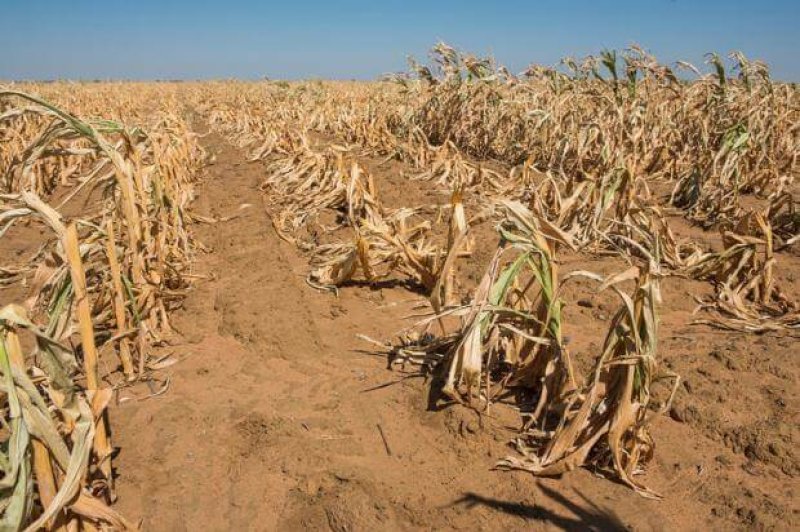
Natural disasters like extreme drought and floods are prevalent in Mozambique, and the country has experienced about 15 protracted droughts over the last 25 years, according to officials running the countryโ€™s irrigation system.

The National Agricultural Research Institute of Mozambique (IIAM) is developing a number of improved seeds to help farmers, including the drought-tolerant Water Efficient Maize for Africa (WEMA) varieties. The WEMA project is a cooperative effort coordinated by the African Agricultural Technology Foundation (AATF) and involving public sector scientists in South Africa, Tanzania, Kenya and Uganda.

Though the research is still in its early stages in Mozambique, scientists and other stakeholders are upbeat WEMA will make vast difference in the lives of farmers. โ€œThe idea is to bring technology that will improve the production and productivity of these small farmers,โ€ [Samuel Camilo, head of the Chokwe Research Station of the National Agricultural Research Institute (IIAM) of Mozambique] explained. โ€œWhat we are trying to do is to test crops or varieties that are tolerant to drought stress. Climate change is really affecting our farmers.โ€

Farmer [Celina Issai] Chirindza is also hopeful: โ€œWEMA has showed good seeds that can cope with pests and the weather. This is a good transfer of technology.โ€

Read full, original post:ย Mozambique looks to improved seeds as it struggles with the impacts of a changing climate

{{ reviewsTotal }}{{ options.labels.singularReviewCountLabel }}
{{ reviewsTotal }}{{ options.labels.pluralReviewCountLabel }}
{{ options.labels.newReviewButton }}
{{ userData.canReview.message }}

Related Articles

Infographic: Global regulatory and health research agencies on whether glyphosate causes cancer

Infographic: Global regulatory and health research agencies on whether glyphosate causes cancer

Does glyphosateโ€”the world's most heavily-used herbicideโ€”pose serious harm to humans? Is it carcinogenic? Those issues are of both legal and ...

Most Popular

Screenshot-2026-04-14-at-11.11.06-AM
โ€˜Turbo cancerโ€™ or mRNA cancer cure? Strategies to counter misinformation
ChatGPT-Image-May-22-2026-10_26_09-AM
Gutting the National Science Board: How the Trump-RFK, Jr. crusade is erasing the separation of science and state
Screenshot 2025-11-12 at 3.28
GLP podcast: Evolutionary biologist debunks the 'sex spectrum'
Picture1
The Orange Bowl without oranges: Can CRISPR save Florida citrus?
Screenshot-2026-04-22-at-12.21.32-PM
Viewpoint: Why the retracted Monsanto glyphosate study doesnโ€™t change the scienceโ€”the worldโ€™s most popular herbicide is safeย 
ChatGPT-Image-Mar-10-2026-01_39_01-PM
Viewpointโ€”โ€œMiracle moleculeโ€ debunked: Why acemannan supplements donโ€™t work
Screenshot 2026-05-26 at 11.16
Colossal Bio grows chicks in 3D-printed artificial eggs. Breakthrough or copycat technology?
Screenshot 2026-05-22 at 3.28
Vagus nerve wellness grift: How to build a billion dollar business. Are you listening, Kelly Ripa?
ChatGPT-Image-May-26-2026-09_19_32-AM
Viewpointโ€” โ€œA safe space to chat, flirt, and be intimate without sexโ€: Are new AI companies exploiting vulnerable asexuals?
ChatGPT-Image-Apr-16-2026-02_56_53-PM
Financial incentives, over diagnosis, and weak oversight: Autism claims are driving up Medicare costs
ChatGPT-Image-May-1-2026-11_42_59-AM-2
Viewpoint: NAD is the wellness grifters latest evidence-lite longevity fad. At least the mice are impressed.
glp menu logo outlined

Get news on human & agricultural genetics and biotechnology delivered to your inbox.